
News
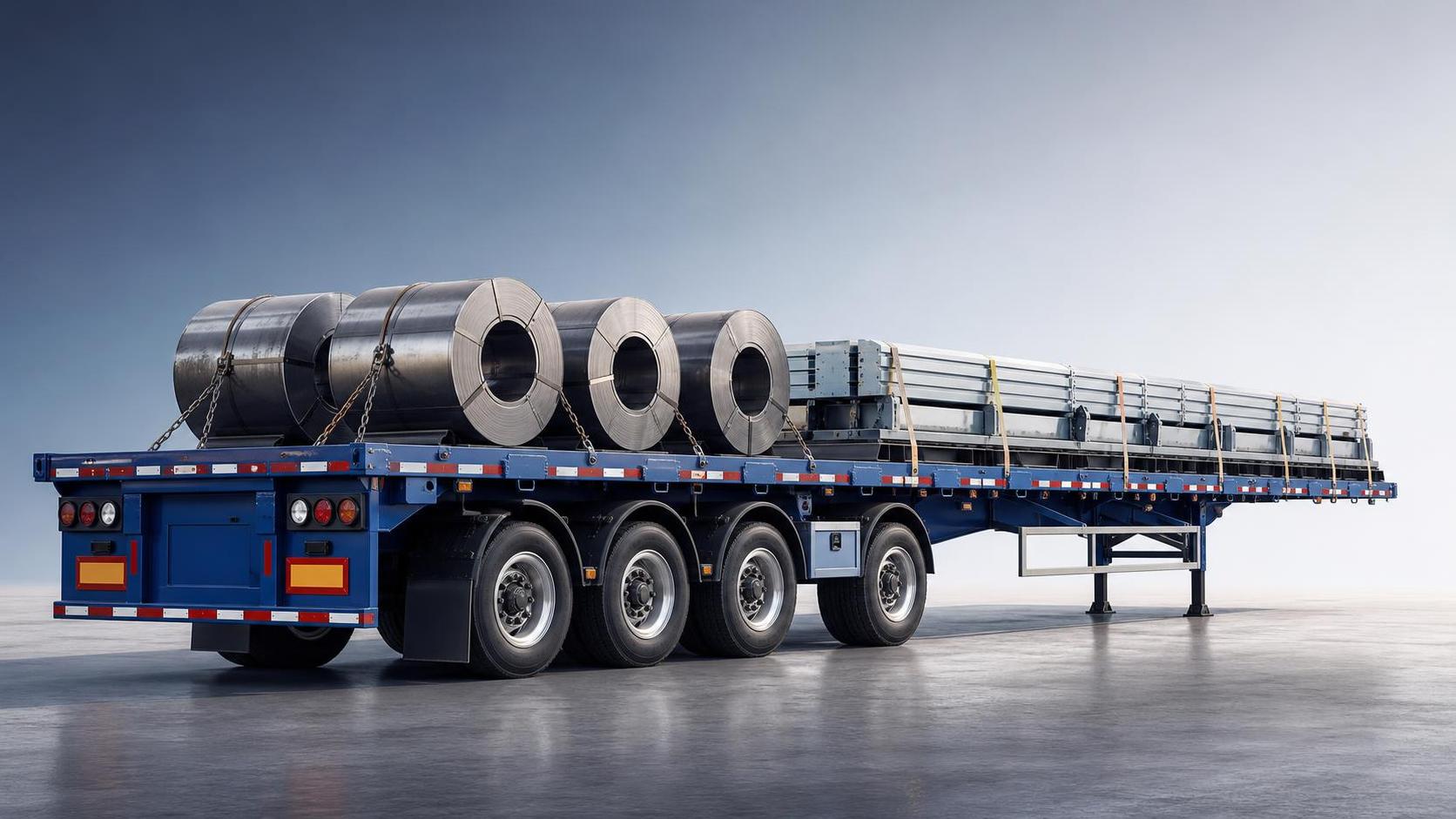
Which matters more when comparing a flatbed semi-trailer: axle load, deck length, or purchase price?
If you buy on price alone, you usually pay for it later. For a procurement team, the right Flatbed Semi-Trailer is the one that fits the cargo you actually move, the roads it will run on, and the cost structure of your fleet. Axle load decides whether the trailer can legally and safely carry the weight distribution of your loads. Deck length decides whether the cargo fits without wasted space, difficult loading, or routing problems. Purchase price matters, but it is only one part of total cost.
A useful way to compare suppliers is to start with cargo reality, not brochure language. List your common load types, weight range, cargo dimensions, loading method, travel distance, road conditions, and destination market rules. Once those are clear, axle configuration and deck length become practical decisions instead of guesswork.
How do I judge the right axle load for my operation?
Start with the heaviest cargo you expect to move regularly, not the average load. Then look at how that weight sits on the deck. A flatbed carrying dense steel products behaves very differently from one carrying lighter but oversized machinery. The issue is not only total payload, but where that payload presses on the trailer.
When buyers compare axle load, they should check three things:
- The expected gross load during real use, including cargo, securing equipment, and any accessories.
- Whether the load is evenly distributed or concentrated in one section of the deck.
- Whether local road limits or fleet operating rules restrict axle loading more tightly than the trailer’s physical capacity.
A common purchasing mistake is choosing a trailer that can technically carry the total weight but struggles with concentrated load points. That leads to faster tire wear, suspension stress, and complaints from drivers who feel the trailer is unstable under certain cargo patterns.
What is the risk of choosing more axle capacity than I currently need?
Over-specifying is not always safer. It can increase purchase cost, tare weight, fuel consumption, and maintenance burden. If your routes and customers rarely require that extra capacity, the heavier setup may reduce operating efficiency every day just to prepare for a load you hardly ever carry.
That said, buying too close to the limit also creates problems. A procurement decision should leave room for normal variation in cargo mix, but not so much that the trailer becomes expensive dead weight. In practice, buyers usually get better value when they specify around their regular business profile and treat unusual heavy loads as a separate transport case rather than making every trailer a worst-case unit.
How should deck length be evaluated beyond “longer is better”?
Longer decks look flexible on paper, but they are not automatically more economical. Deck length should match the cargo footprint, loading equipment, turning environment, and backhaul opportunities. If you mainly move construction materials, machinery, or palletized industrial goods, the right length is the one that minimizes wasted deck area while still allowing safe loading and lashing.
An oversized deck can create hidden cost in several ways: more empty space per trip, more difficulty in urban sites or tight yards, and reduced compatibility with loading bays or storage areas. On the other hand, a deck that is too short forces awkward loading plans, partial shipments, or overhang situations that complicate transport compliance and damage risk.
Ask a basic question: does the trailer help you load the cargo you win most often, or is it optimized for exceptions?
Is there a simple way to compare axle load and deck length together?
Yes. Build your comparison around cargo density and loading pattern, not around individual specs in isolation. A longer deck with the same axle setup may be ideal for lighter, bulky goods, but it may not solve anything for dense cargo with a short footprint. A shorter deck with a stronger load-handling setup can be the better commercial choice if most loads are heavy and compact.
What should be included in total cost, not just trailer price?
This is where many purchase comparisons fall apart. Two trailers can be close in quotation price and very different in operating cost. Total cost should include the full commercial life of the unit, not only the invoice amount.
At minimum, compare:
- Purchase price and specification differences.
- Shipping, customs-related handling, and delivery timing impact.
- Expected tire, suspension, brake, and wear-part replacement frequency.
- Downtime risk if parts or service support are slow.
- Fuel impact from tare weight and route profile.
- Residual usability in your fleet when cargo patterns change.
A cheaper unit can become the expensive one if it spends more time off the road or if its layout causes underutilized trips. Procurement teams should ask suppliers for clear configuration details, parts support scope, and delivery process support, especially in cross-border purchases where documentation and logistics can affect the real landed cost.
When does a longer deck actually lower cost per trip?
Only when the added usable space helps you move more billable cargo without creating offsetting problems. If your loads are frequently limited by length rather than weight, a longer deck may reduce the number of trips needed. That can improve equipment utilization and labor efficiency.
But if your loads hit weight limits long before the deck is full, extra length may add little commercial value. In that case, the trailer looks versatile but earns no more revenue. Buyers sometimes miss this because they compare physical size instead of shipment economics.
What documents or data should I request from a supplier before comparing offers?
Do not compare quotations that only list a model name and a price. Ask for a structured specification sheet and make sure the same comparison fields are used across all suppliers.
- Overall dimensions and usable deck dimensions
- Axle configuration and rated load arrangement
- Suspension type, tire specification, and braking setup
- Tare weight
- Frame or structural configuration details relevant to your cargo type
- Included accessories and securing-related equipment
- Lead time, spare parts support, and export handling scope
If you are sourcing internationally, also verify who handles documentation, customs coordination, and logistics steps. A supplier with organized export capability can reduce delays that do not show up in the unit price but matter to project schedules and fleet planning.
What mistakes do buyers make most often with flatbed semi-trailer selection?
Three mistakes come up again and again.
First, they compare nominal capacity without studying cargo distribution. A trailer that looks adequate on paper may perform poorly if the load sits heavily in one section.
Second, they buy extra deck length because it feels more flexible, then discover that most loads are weight-limited and the added length does not improve utilization.
Third, they treat after-sales support as a secondary issue. For working fleets, parts access and response speed affect total cost almost as much as initial specification. This matters especially when importing commercial vehicles and trailers from abroad.
How can a procurement team make the final choice with less risk?
Use a short decision sheet built around your own operation. Score each trailer option against the loads you move most, the routes you run most, and the service conditions you can actually support. The trailer with the best fit is not always the cheapest quote and not always the biggest specification.
A practical buying sequence looks like this: define your real cargo profile, filter out axle setups that do not match it, narrow deck length based on actual shipment dimensions, then compare landed and operating cost. Only after that should you weigh delivery terms and supplier support depth.
The cleanest procurement decision is usually the one that matches everyday transport work with the least compromise. If a flatbed semi-trailer fits your regular load pattern, runs within your operating limits, and stays serviceable without long downtime, that is the trailer that protects cost over time.
Search Starts Here