
News
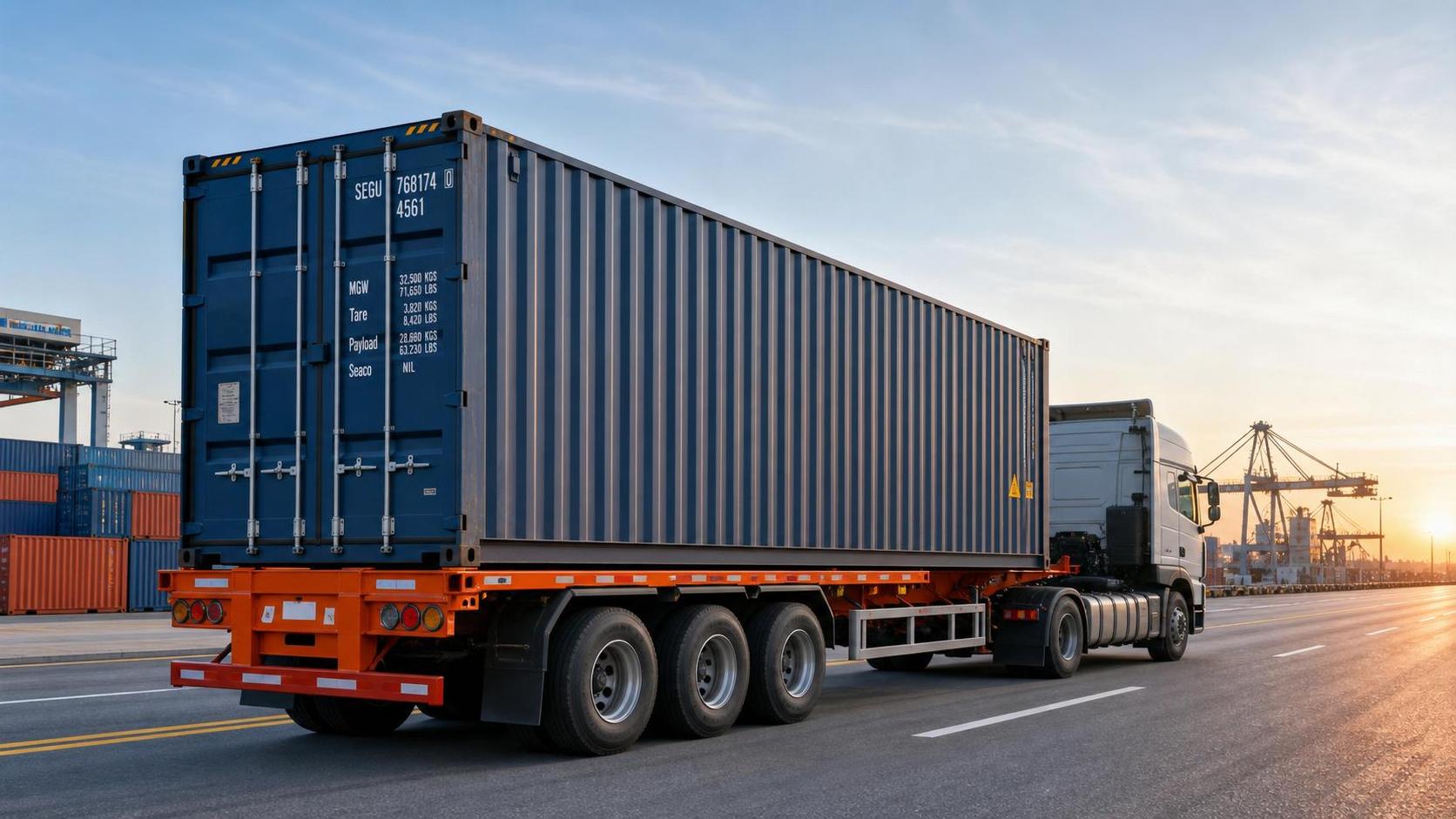
Choosing for Port Speed and Inland Stability
A Skeleton (Container) Semi-Trailer looks simple, but selection is rarely simple in real transport operations.
At ports, every delay affects turnaround time. On inland routes, road quality, axle loading, and maintenance access shape total operating cost.
That is why the right trailer matters beyond purchase price. It influences loading rhythm, compliance, tire life, fuel use, and fleet uptime.
For container transport, a well-matched Skeleton (Container) Semi-Trailer should fit the cargo pattern, route structure, and tractor configuration without forcing compromises later.
This is especially relevant in engineering vehicle and commercial transport fleets serving ports, terminals, depots, warehouses, and inland distribution corridors.
What a Skeleton (Container) Semi-Trailer Must Deliver
A Skeleton (Container) Semi-Trailer is built to carry ISO containers through a reinforced frame rather than a full cargo deck.
Its main job is secure container positioning, efficient locking, and dependable load transfer between the container, trailer, and tractor.
In practice, buyers usually compare more than frame length. They also look at tare weight, lock arrangement, axle layout, suspension type, and brake configuration.
The best choice depends on whether the trailer handles short port shuttles, long inland drayage, mixed road surfaces, or multi-container scheduling.
A trailer designed only for terminal transfers may not be ideal for high-frequency regional haulage. The reverse is also true.
Core functions worth checking
- Compatibility with 20ft, 40ft, or combined container arrangements
- Reliable twist locks and accurate container positioning
- Stable structure under repeated loading and unloading
- Safe braking and suspension performance under local road conditions
- Easy access to wear parts for routine service
Why the Market Is Paying More Attention to Trailer Selection
Container transport has become more time-sensitive. Ports want faster movement, while inland operators need predictable costs over longer service cycles.
At the same time, compliance pressure is rising. Buyers must consider legal dimensions, axle load limits, lighting standards, and braking requirements in destination markets.
Road conditions are another issue. Some routes are smooth expressways, while others include uneven access roads, industrial yards, and overloaded terminal lanes.
Because of this, the same Skeleton (Container) Semi-Trailer specification cannot serve every operating model equally well.
Buyers are also looking more closely at supply reliability. Delivery speed, spare parts support, and documentation quality now affect selection almost as much as technical configuration.
This is where experienced exporters add value. A supplier that understands vehicles, export procedures, and destination requirements reduces avoidable purchasing risk.
Matching Trailer Design to the Real Job
Selection starts with route reality, not catalog appearance. A clear operating profile usually reveals the right direction quickly.
Port transfer operations
Port transfer often favors fast loading cycles, high maneuverability, and a durable structure that handles frequent stop-start movement.
In this setting, suspension durability and lock reliability can matter more than cosmetic weight reduction.
Inland container haulage
Longer routes place more emphasis on braking stability, tire wear, fuel efficiency, and service intervals.
Here, axle quality, suspension choice, and frame strength affect lifecycle cost more directly.
Mixed-duty use
Many fleets need one Skeleton (Container) Semi-Trailer for both terminal work and inland roads.
That usually calls for a balanced specification rather than the lightest or cheapest option.
Key Technical Points That Influence Long-Term Value
A good buying decision usually comes from a few technical checks done carefully, not from chasing the lowest quoted number.
Frame and steel structure
The frame is the foundation of any Skeleton (Container) Semi-Trailer. Material grade, welding quality, and reinforcement layout all affect service life.
A lighter frame may improve payload efficiency, but not if it reduces durability on rough roads.
Axle and suspension combination
Axle brand reputation matters, but matching is more important. Spring suspension, air suspension, and bogie-style solutions suit different road and load patterns.
The right setup should support legal loading, maintain stability, and control maintenance frequency.
Container locking system
Twist locks need accurate positioning and solid build quality. Loose tolerances create operational risk and slow loading cycles.
This point becomes critical when handling frequent container changes in port yards.
Brake and electrical system
Stable braking is not only a safety issue. It also affects tire wear, downtime, and inspection readiness.
Electrical layout should be protected against moisture, vibration, and repeated yard operations.
Commercial Considerations Beyond the Trailer Itself
A trailer purchase becomes more secure when technical evaluation is combined with supply chain judgment.
Lead time, export documents, parts availability, and after-sales coordination all affect how quickly equipment enters service.
Shandong Livol Truck International Trade Co., Ltd. operates in this broader context rather than only supplying units.
With authorized access to FOTON, SHACMAN, and SINOTRUK resources, broad 4S support, and stable inventory, it can help align tractor and trailer planning more effectively.
That matters when container haulage projects require coordinated vehicle selection, customization, customs paperwork, and logistics scheduling.
In cross-border trade, practical support often prevents specification errors that are expensive to correct after shipment.
Useful questions before placing an order
- Which container sizes will move most often in the next two to three years?
- Are the roads mainly port pavement, highway, or mixed industrial access routes?
- Which local regulations affect axle count, dimensions, and lighting?
- Is the priority lowest acquisition cost or lower lifecycle cost?
- Can the supplier support parts, documents, and delivery timing reliably?
A Practical Way to Compare Options
A useful comparison method is to score each Skeleton (Container) Semi-Trailer against operating needs, not against generic specifications alone.
Start with container type, annual mileage, expected road severity, and tractor matching.
Then compare structural design, suspension, braking, compliance documents, and service support.
This usually makes trade-offs visible early. A lower initial quote may bring higher wear, slower customs handling, or weaker parts support later.
By contrast, a well-supported Skeleton (Container) Semi-Trailer often delivers better uptime and more predictable operating costs across the fleet.
Where to Focus Next
The right trailer choice usually begins with a simple exercise: define the actual job before comparing models.
When route conditions, container mix, legal limits, and service expectations are clear, the best Skeleton (Container) Semi-Trailer becomes easier to identify.
From there, it helps to review detailed specifications, confirm export and compliance support, and compare whole-life value instead of price alone.
That approach supports more reliable port transfer, steadier inland haulage, and fewer costly adjustments after the equipment is already in operation.
Search Starts Here