
News
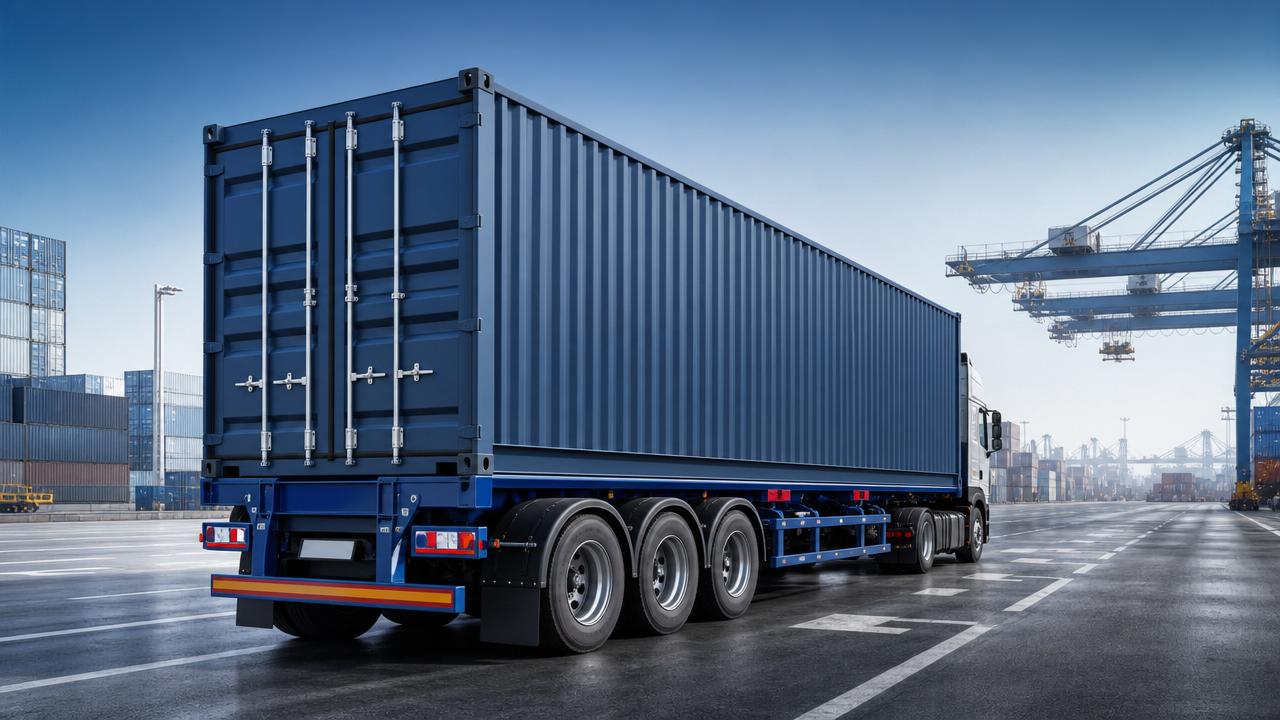
Choosing the right Skeleton (Container) Semi-Trailer is essential for efficient, safe, and cost-effective port haulage. For procurement professionals, the ideal trailer must match container types, loading demands, road conditions, and long-term operating budgets. This guide explains the key factors to evaluate, helping you compare options with confidence and select a reliable solution that supports stable transport performance and better fleet value.
In port transport, a trailer is not just a steel frame under a container. It affects loading efficiency, chassis compatibility, tire wear, fuel consumption, maintenance intervals, and compliance with local axle regulations. For buyers managing fleet expansion, replacement planning, or cross-border sourcing, small specification mistakes can create years of operating cost.
A well-selected Skeleton (Container) Semi-Trailer should work reliably with 20ft, 40ft, or mixed container movements, withstand frequent terminal cycles, and fit the tractor units already in service. It should also support stable parts supply, predictable lead times, and clear after-sales communication from the exporter.
Why Trailer Selection Matters in Port Haulage
Port haulage is a high-frequency, short-to-medium-distance operation. A trailer may complete 3 to 8 round trips per day depending on terminal congestion, yard distance, and gate waiting time. Under this duty cycle, durability and handling become more important than buying the lowest initial price.
Unlike general cargo transport, container haulage requires strict matching between twist locks, beam structure, axle load distribution, and local road limits. If the chassis is too light for the actual payload, it may develop frame stress and faster suspension wear within 12 to 24 months. If it is too heavy, payload efficiency and fuel economy may suffer.
Typical Procurement Challenges
- Matching one trailer design to 20ft, 40ft, and sometimes 45ft container operations
- Balancing tare weight against structural strength for repeated port cycles
- Confirming axle count and suspension type for road regulations and terrain conditions
- Assessing whether the supplier can support documentation, customs, and spare parts
For procurement teams, these issues should be reviewed before quotation comparison. A low-cost chassis may look attractive on paper, but if it requires higher tire replacement frequency or welding repairs after heavy-duty use, the total cost over 3 to 5 years can be much higher.
Core Operating Scenarios
Most port fleets use Skeleton (Container) Semi-Trailers in one of three scenarios: fixed 20ft container movement, mixed 20ft and 40ft transport, or intermodal work between port, bonded yard, and inland depot. Each scenario has different demands for locking position, frame length, and loading balance.
When routes include rough pavement, ramps, or frequent cornering within terminals, suspension choice and chassis reinforcement should receive more weight in the buying decision than appearance or optional accessories.
Key Technical Factors to Evaluate Before Purchase
Before selecting a Skeleton (Container) Semi-Trailer, buyers should review technical requirements in a structured way. The table below helps compare the most important decision points during supplier evaluation.
The main conclusion is simple: the right trailer is the one that matches route reality. Procurement should focus on container type, gross payload, road quality, and compliance first, then compare price and optional configuration.
Container Size and Locking Layout
The first question is whether the trailer will carry only one container size or several. A dedicated 20ft skeleton chassis can improve weight distribution for dense cargo, while a 40ft configuration often supports broader route flexibility. Some fleets need extendable or multi-position designs to serve changing contracts.
For buyers handling mixed terminal work, check the number and location of twist locks carefully. Even a difference of one locking position can limit dispatch flexibility and increase trailer idle time by 10% to 15% in busy operations.
Questions to Ask Suppliers
- Does the chassis support 1 x 40ft and 2 x 20ft loading options where legally permitted?
- Are twist locks retractable, fixed, or interchangeable?
- Is the kingpin position optimized for the tractor wheelbase in our fleet?
- Can the rear structure handle repeated dock and yard maneuvering impacts?
Axles, Suspension, and Running Gear
For many port fleets, 2-axle and 3-axle Skeleton (Container) Semi-Trailers are the most common choices. A 2-axle trailer may suit lighter regional work or strict maneuvering needs, while a 3-axle version often offers better legal load distribution and stability for heavier containers.
Mechanical suspension remains popular because it is easier to maintain, especially where workshops need simple service parts and fast repair. Air suspension can improve ride quality and reduce vibration, but it adds system complexity and may require stronger service capability in remote markets.
Tire specification also matters. If trailers run 200 to 300 km per day with frequent stop-start cycles, tire wear patterns can reveal whether axle alignment and load distribution are appropriate. Procurement teams should ask for standard tire size options and compatible rim specifications at the quotation stage.
Frame Strength and Corrosion Protection
Port environments are demanding. Salt air, standing water, heavy braking, and impact loading can shorten trailer life if anti-corrosion treatment is weak. Buyers should review steel grade, beam structure, weld consistency, and paint or coating process instead of only checking tare weight.
A practical inspection list includes main beam thickness range, cross-member spacing, landing gear specification, and protection on exposed electrical lines. In many cases, better surface treatment and stronger stress-point reinforcement can improve service life by several years under coastal use conditions.
How to Match Trailer Specification to Port Operating Conditions
The most effective procurement decisions are based on use conditions, not generic catalog descriptions. The following comparison shows how operating environment should influence Skeleton (Container) Semi-Trailer configuration choices.
This comparison highlights a key rule: the best specification depends on route pattern. Procurement teams should define 4 to 6 real operating conditions before final technical confirmation with the supplier.
Payload Planning and Legal Compliance
A trailer should be selected around legal gross combination limits, not just theoretical structure capacity. Over-specification can increase dead weight, while under-specification may create compliance risk. Buyers should confirm axle ratings, brake system suitability, and kingpin load distribution for the intended tractor model.
If container weights vary significantly, it is useful to divide operations into at least 3 load bands, such as light, medium, and heavy. This makes it easier to identify whether one universal trailer can serve the entire fleet or whether different trailer types are more economical.
Maneuverability and Yard Efficiency
In crowded terminals, turning radius, axle spacing, and rear overhang affect handling speed. A trailer that saves even 2 to 3 minutes per trip at loading, reversing, and gate movement can create meaningful annual productivity gains across 20 or 50 units.
For this reason, procurement should ask operations teams for feedback before issuing final purchase orders. Driver input often reveals practical details that catalogs do not show, such as visibility at corners, landing gear clearance, or lock access during fast loading cycles.
Procurement Checklist: Cost, Delivery, and Supplier Support
Technical fit is only one part of a successful purchase. For international sourcing, the supplier’s export capability, inventory readiness, documentation accuracy, and after-sales response are equally important, especially when delivery timing affects port contract performance.
Looking Beyond Unit Price
A procurement decision should compare full operating value over 3 to 5 years. Important cost elements include brake parts replacement, suspension service frequency, tire life, repainting needs, downtime caused by parts shortages, and trailer availability during peak season.
Lead time is another commercial factor. If a supplier can deliver from existing stock or stable production scheduling, fleet deployment becomes easier. In many projects, a delivery difference of 2 to 4 weeks can directly affect contract start dates and revenue planning.
Essential Supplier Review Points
- Can the exporter provide full process support from specification confirmation to customs documents?
- Is there enough inventory or production coordination to support repeat orders?
- Are spare parts and service items clearly listed before shipment?
- Can inspection photos, loading details, and logistics updates be shared on time?
Why Export Experience Matters
For overseas buyers, a reliable exporter reduces communication risk and delivery uncertainty. Shandong Livol Truck International Trade Co., Ltd., based in Shandong, China, provides commercial vehicle export services with professional coordination across vehicle selection, customization, documentation, customs clearance, and logistics.
As the official authorized domestic and overseas dealer for FOTON, SHACMAN, and SINOTRUK, and with a network of authorized 4S stores and sufficient inventory, the company is positioned to support stable supply and faster order handling. For procurement teams, this matters when fleet timelines are tight and specification accuracy is critical.
Strong export process management also helps reduce common issues such as incomplete shipping documents, mismatched configurations, or delays in customs coordination. That is especially valuable when purchasing trailers together with tractors or other engineering vehicle products in one shipment plan.
Common Buying Mistakes and How to Avoid Them
Choosing by Price Alone
The lowest quotation may omit important items such as spare wheel carrier quality, electrical protection, landing gear grade, or corrosion treatment. These details may seem minor at purchase, but they directly affect maintenance cost and uptime after 6 to 12 months of field use.
Ignoring Local Regulations
Axle configuration, overall length, reflective markings, and braking requirements vary by market. Buyers should confirm local transport rules before approving final drawings. A technically strong trailer is still a poor purchase if it cannot be registered or legally operated in the destination country.
Underestimating Service and Parts Access
Even a durable Skeleton (Container) Semi-Trailer will require periodic parts replacement. If standard wear items are difficult to source, downtime can rise quickly. Procurement should request a recommended spare parts list for the first 12 months of operation and confirm interchangeability where possible.
Skipping Multi-Department Input
The best trailer selection usually comes from joint review by procurement, operations, maintenance, and finance. A 4-step approval process often works well: route analysis, technical review, commercial comparison, and final supplier confirmation.
Final Recommendation for Procurement Teams
Selecting a Skeleton (Container) Semi-Trailer for port haulage should start with actual transport demands: container size mix, route distance, road conditions, legal load limits, and maintenance capability. When these basics are clearly defined, it becomes much easier to compare chassis structure, axle layout, suspension type, and supplier support on a practical basis.
For buyers who need dependable commercial vehicle export coordination, steady inventory support, and full-process service, working with an experienced supplier can reduce both purchasing risk and delivery pressure. Shandong Livol Truck International Trade Co., Ltd. supports customers with vehicle selection, customization, documentation, customs clearance, logistics coordination, and professional after-sales follow-up.
If you are planning a fleet purchase or comparing port haulage trailer options, contact us to get a tailored solution, discuss product details, and explore the right Skeleton (Container) Semi-Trailer configuration for your operating conditions.
Search Starts Here