
News
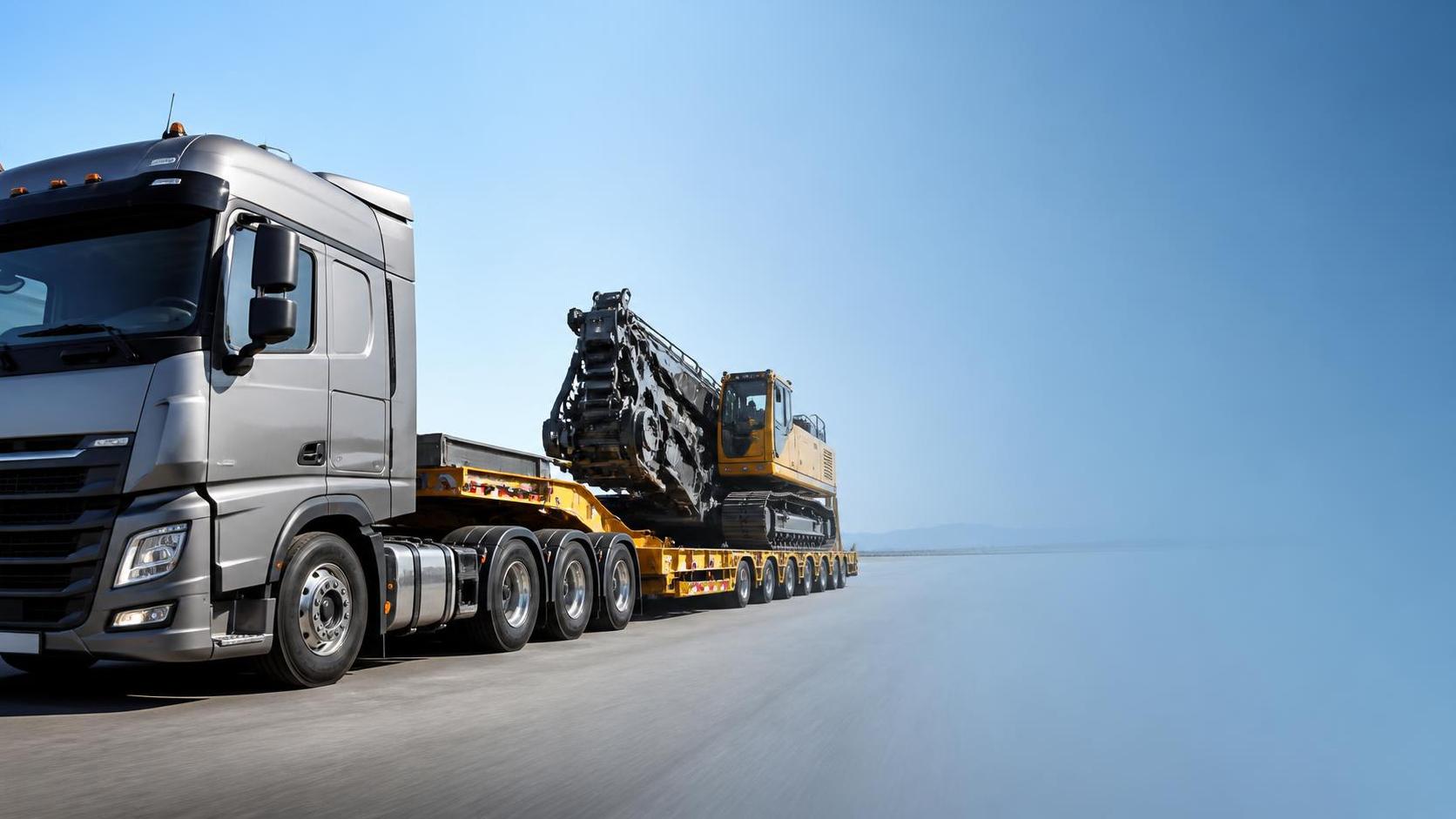
The Low Plate design is often discussed in terms of cargo access, but for technical evaluators it raises a more important question: what happens to loading stability when the deck sits lower to the ground? On semi-trailers, that design choice changes more than the loading height. It influences center of gravity, weight distribution, ramp behavior, braking response, and the way the vehicle feels under real operating conditions.
In practical transport work, stability is rarely decided by one feature alone. Axle layout, suspension tuning, deck geometry, tire selection, and payload type all interact. Even so, the Low Plate structure has a clear and measurable effect on how a semi-trailer behaves when it is loaded, especially when the cargo is tall, heavy, or unevenly distributed. For engineering vehicle applications, that makes the design worth a closer look.
Why a lower deck changes the stability picture
The most direct advantage of a Low Plate is simple: it lowers the cargo platform. That means the load itself starts closer to the road surface, which reduces the overall center of gravity of the trailer-load combination. In transport engineering, that small change can have a meaningful effect. A lower center of gravity usually means less body roll, less side sway, and a calmer response in lane changes or uneven road conditions.
For semi-trailers carrying machinery, construction equipment, transformer units, or other tall freight, this matters even more. A high deck forces the load upward, making the vehicle more sensitive to steering inputs, crosswinds, and emergency maneuvers. A Low Plate semi-trailer helps counter that by keeping the mass lower and more stable through motion.
That does not mean the trailer becomes immune to instability. A poor loading pattern can still create risk. But the Low Plate design gives operators a better starting point, and in engineering terms, that starting point is often what separates acceptable transport behavior from borderline handling.
Stability is not only about height
One common misunderstanding is to treat the Low Plate as a pure “lower is always better” solution. In reality, stability depends on how the lowered deck is engineered. If the platform is low but the frame is too flexible, the suspension is too soft, or the axle load is not properly balanced, the trailer may still behave poorly under load.
Technical evaluators usually look at three connected factors:
- Vertical load position: how high the cargo sits above the axle line.
- Longitudinal balance: whether weight is distributed evenly between tractor and trailer axles.
- Lateral consistency: how evenly the load is placed across the width of the deck.
The Low Plate design improves the first factor directly and can support the other two when the trailer is matched with a suitable loading plan. If the freight is placed too far rearward or stacked unevenly, the stability benefit is partially lost. So the deck design should be evaluated as part of the full vehicle system, not as a stand-alone feature.
How loading behavior changes in real operation
In the yard, a lower deck often makes loading feel easier and safer. Forklifts, cranes, and ramps work with less vertical lift, which reduces the chance of awkward maneuvers and minor loading damage. That practical advantage is important, but the more significant effect appears after the vehicle leaves the site.
During acceleration and braking, a lower cargo position reduces pitch and weight transfer effects. The trailer tends to react more predictably because the mass is closer to the chassis reference point. On winding roads or highway entrances, that can improve confidence for drivers carrying delicate or high-value freight.
There is also a noticeable benefit in windy conditions. Tall cargo on a standard-height deck can behave like a sail, increasing the lateral forces acting on the trailer. A Low Plate arrangement lowers the exposed load profile, which helps the vehicle stay composed when crosswinds become a factor.
That said, a lower deck does not remove the need for proper restraint. Strapping, locking, blocking, and load-securing points still need to match the cargo type. The design reduces instability; it does not replace cargo control.
Where the Low Plate design delivers the most value
Not every transport job needs a Low Plate semi-trailer, but certain scenarios clearly benefit from it. Engineers and fleet evaluators often pay attention to the following use cases:
- Heavy equipment transport: excavators, loaders, and compact industrial machines that already carry high mass.
- Oversized freight: cargo that risks exceeding safe height on a conventional deck.
- Mixed road conditions: routes with uneven pavement, ramps, or stronger vibration exposure.
- Long-distance hauling: where stability over time matters as much as initial loading.
In these situations, the Low Plate can improve both operational safety and transport efficiency. Lowering the cargo often means fewer route restrictions, easier loading access, and less stress on the vehicle during motion. For commercial vehicle operators, that can translate into smoother planning and fewer compromises.
What technical evaluators should inspect
When assessing a Low Plate semi-trailer, it helps to move beyond the visual impression of a lower platform. A careful review should include frame geometry, structural rigidity, suspension behavior, axle configuration, and the actual deck height relative to the expected cargo profile.
Pay particular attention to how the trailer behaves when loaded near its rated capacity. Some designs look stable when empty but reveal flex, rebound, or sway once the cargo is in place. Suspension response is especially important here. A well-matched suspension should support the lowered deck without making the ride too harsh or too soft.
Another practical point is access to maintenance and inspection. A low deck can improve loading stability, but if the structure makes daily inspection difficult, long-term reliability may suffer. Real-world usability matters just as much as theoretical advantage.
For teams sourcing equipment from established commercial vehicle exporters, this is where specification clarity becomes essential. Shandong Livol Truck International Trade Co., Ltd., based in Shandong, China, supports customers with vehicle selection and customization through authorized commercial vehicle channels, helping buyers align trailer configuration with route conditions, freight type, and operational goals. For technical buyers, that kind of support can be useful when comparing a Low Plate solution against a standard trailer layout.
Common mistakes when evaluating loading stability
One mistake is assuming that a lower deck automatically means better safety. It improves stability potential, but only when the rest of the vehicle system is designed to use that advantage. Another is focusing only on static loading. A trailer may look balanced in the yard yet behave differently at speed, under braking, or on cambered roads.
A second mistake is ignoring cargo shape. Two loads with the same weight can produce very different stability outcomes if one is compact and low while the other is tall and top-heavy. The Low Plate design helps both, but it is especially valuable for cargo that would otherwise raise the center of gravity too much.
Finally, some evaluators underestimate the role of driver behavior. Smooth acceleration, measured cornering, and proper load verification remain essential. Vehicle design can reduce risk, but transport discipline completes the system.
A balanced view of the design
The Low Plate is not just a styling choice or a convenience feature. On semi-trailers, it is a structural decision that affects how the vehicle carries weight, responds to motion, and manages the everyday demands of industrial freight movement. Its main contribution is lowering the load center of gravity, but the wider benefit is more subtle: it gives the trailer a calmer, more controlled character when the road gets demanding.
For technical evaluators, the best way to judge a Low Plate semi-trailer is to ask a simple question: does the design improve stability in the specific operating environment, with the intended cargo, under real loading conditions? If the answer is yes, the lower deck is doing more than making loading easier. It is supporting safer, more predictable transport performance where it matters most.
Search Starts Here