
News
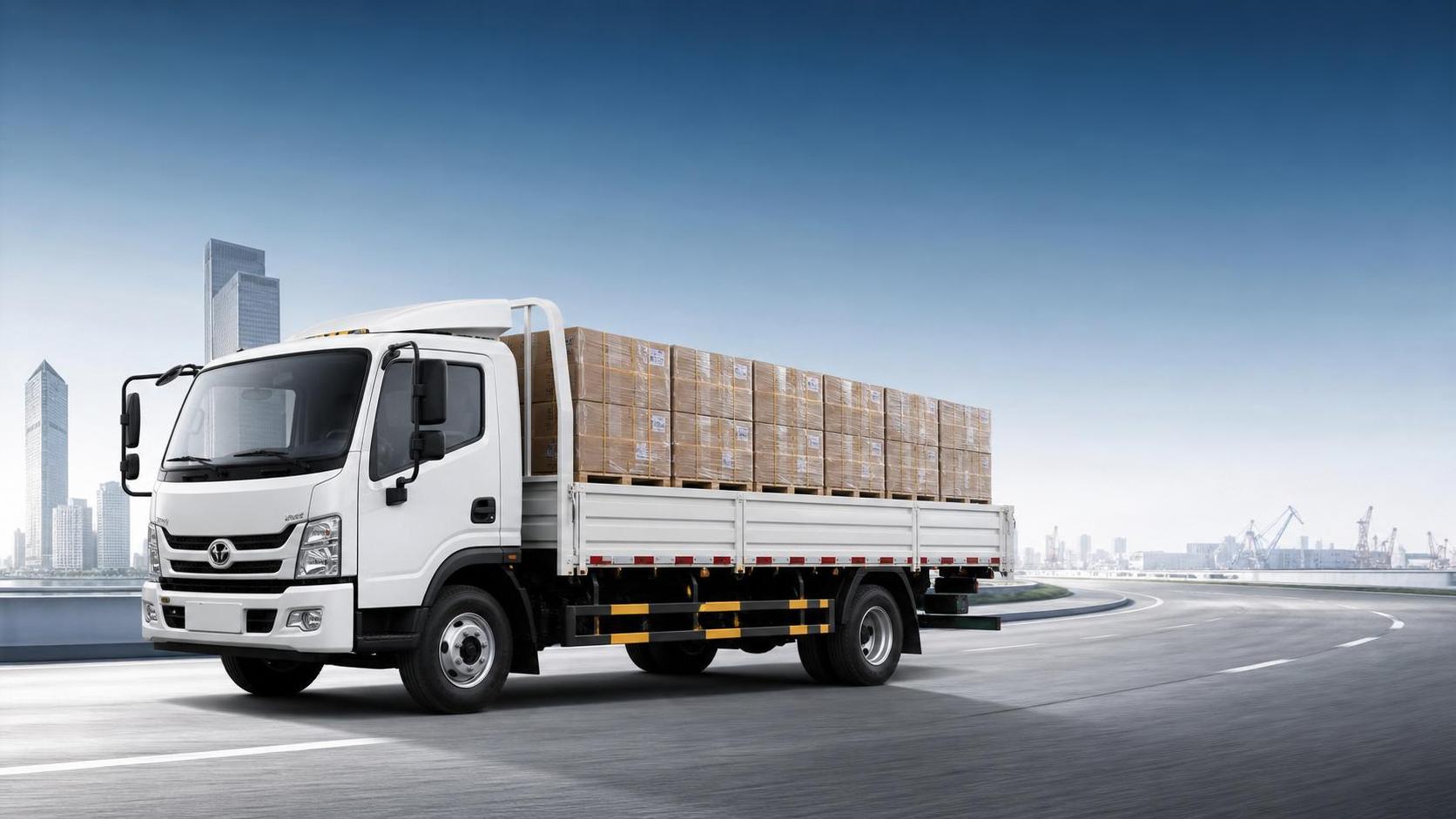
Why do payload limits matter so much on a 4_2 Cargo Truck?
A 4_2 Cargo Truck is often chosen for flexible freight work, but payload is where daily efficiency is decided.
If the truck carries too little, each trip costs more. If it carries too much, tire wear, braking distance, and legal risk increase quickly.
In simple terms, payload is the weight you can legally and safely load after subtracting the truck’s own curb weight.
That sounds straightforward, yet real operation is rarely that clean. Body type, fuel level, spare parts, tools, and driver count all affect usable capacity.
For a 4_2 Cargo Truck, this matters even more because it often works in mixed conditions, from city roads to short regional highways.
A balanced truck protects more than compliance. It improves steering feel, keeps suspension working correctly, and helps maintain stable fuel consumption across repeated trips.
That is why operators usually look beyond the headline tonnage figure. The better question is whether the truck’s actual carrying ability matches the route and cargo profile.
When selecting export units from established suppliers such as Shandong Livol Truck International Trade Co., Ltd., practical payload planning is usually part of the discussion.
This is especially relevant when the truck is based on FOTON, SHACMAN, or SINOTRUK platforms with different chassis and body configurations.
What payload range is typical, and why is there no single number?
Many searches ask for one payload figure, but a 4_2 Cargo Truck does not have one universal answer.
The reason is simple. Gross vehicle weight rating, axle design, cargo body length, and local road law all shape the final usable payload.
In actual use, a light-duty 4_2 Cargo Truck may suit urban parcels and light consumer goods, while heavier versions support building materials or denser industrial cargo.
More common than chasing a maximum number is checking three weights together: curb weight, legal gross weight, and expected cargo density.
A bulky but light load can fill the cargo box long before reaching weight limit. A compact heavy load can overload the rear axle before the body is half full.
That is why two trucks with the same badge may perform very differently once body material, sidewall height, and liftgate equipment are added.
The table below helps translate common questions into a more useful operating check.
For this reason, a serious 4_2 Cargo Truck decision always starts with route and cargo records, not just brochure data.
Which road use scenarios fit a 4_2 Cargo Truck best?
This truck layout is valued because it covers more than one job type without becoming too large for ordinary roads.
Urban distribution is one of the most common scenarios. A 4_2 Cargo Truck can move packaged goods, household products, food supplies, and retail stock efficiently.
Short regional freight is another good match. It handles intercity deliveries where road quality is acceptable and trip cycles are frequent.
Construction support is possible too, though the load type matters. Lighter hardware, bagged materials, tools, and site consumables usually suit the platform better than very dense aggregates.
Agricultural transport often works well in seasonal operations. Feed, produce crates, irrigation parts, and packaged farm inputs are common examples.
The less suitable cases are also worth noting. Constant off-road use, steep rough access roads, or very high-density loads may push a 4_2 Cargo Truck outside its most efficient range.
- Best fit: paved urban routes, suburban delivery, regional supply runs, light construction logistics.
- Use with caution: mixed road conditions, repeated stop-start routes with heavy dense goods.
- Poor fit: deep mud, quarry-style access, chronic overload cycles, or long mountain routes with marginal braking reserve.
In practice, matching the road to the truck matters as much as matching the cargo to the truck.
How do you know whether a 4_2 Cargo Truck is the right choice for your work?
A useful decision starts with frequency, not just capacity. Ask how the truck works over a week, not how it performs on one ideal trip.
If most loads are moderate, roads are paved, and access points are tight, a 4_2 Cargo Truck often offers the best balance of capacity and mobility.
If loads are consistently dense and near legal maximum, it may be wiser to review axle reserve, suspension strength, and body reinforcement before confirming the specification.
A practical review should include these points:
- Typical cargo weight per trip, not occasional peak weight.
- Cargo density and how easily it can be distributed across the floor.
- Road restrictions on axle load, body length, and urban entry.
- Need for box body, stake body, dropside, or special-purpose conversion.
- Maintenance access, spare parts support, and delivery timing.
This is where an experienced exporter can be useful without turning the process into a sales pitch.
Shandong Livol Truck International Trade Co., Ltd. works with authorized FOTON, SHACMAN, and SINOTRUK resources, so configuration checks can include supply availability, customization, and export documentation at the same time.
That matters when the truck must meet local compliance rules as well as loading needs.
What mistakes cause overload risk, poor efficiency, or road access problems?
The biggest mistake is treating payload as a single static number. Real transport work is dynamic, and the risk usually comes from combinations of small errors.
One common problem is ignoring axle balance. Even legal total weight can still be unsafe if too much cargo sits behind the rear axle centerline.
Another issue is choosing body volume without considering cargo density. A large box on a 4_2 Cargo Truck looks versatile, but dense goods can quickly erase that advantage.
Road restrictions are also underestimated. Some operators focus on engine and payload, then discover later that local roads limit truck entry by weight class or body dimensions.
Brake performance and tire specification deserve equal attention. Overload does not always show up immediately in broken parts. It often appears first as heat, instability, and faster wear.
A few warning signs should never be ignored:
- Rear suspension sitting unusually low after loading.
- Steering becoming light or vague on the front axle.
- Braking distance increasing on familiar routes.
- Repeated tire shoulder wear or heat buildup.
- Fuel consumption rising without a route change.
More often than not, these are not random maintenance issues. They point back to a mismatch between the 4_2 Cargo Truck and the real working load.
What should be confirmed before putting a 4_2 Cargo Truck into regular service?
Before routine operation starts, it helps to confirm a short checklist based on actual work rather than assumptions.
First, verify legal weight and axle limits in the target market. Exported trucks can be mechanically suitable but still require local conformity review.
Next, weigh at least several normal loads. This gives a more honest picture than relying on estimated cargo weight.
Then check route details, especially bridge limits, city access windows, turning conditions, and road surface quality.
Finally, confirm support items that affect uptime: spare parts channels, service response, and whether the chosen body design fits loading equipment already in use.
For exported units, integrated handling of vehicle selection, customization, customs documents, and logistics can save time and reduce mismatch risk.
That is one reason many buyers prefer working with teams that already manage inventory, authorized distribution, and after-sales coordination across major Chinese truck brands.
The main takeaway is straightforward. A 4_2 Cargo Truck performs well when payload, axle balance, body design, and road scenario are reviewed together.
If the next step is evaluation, start with actual load records, route conditions, and local compliance points. Then compare configurations against those facts, not against a headline tonnage number alone.
Search Starts Here