
News
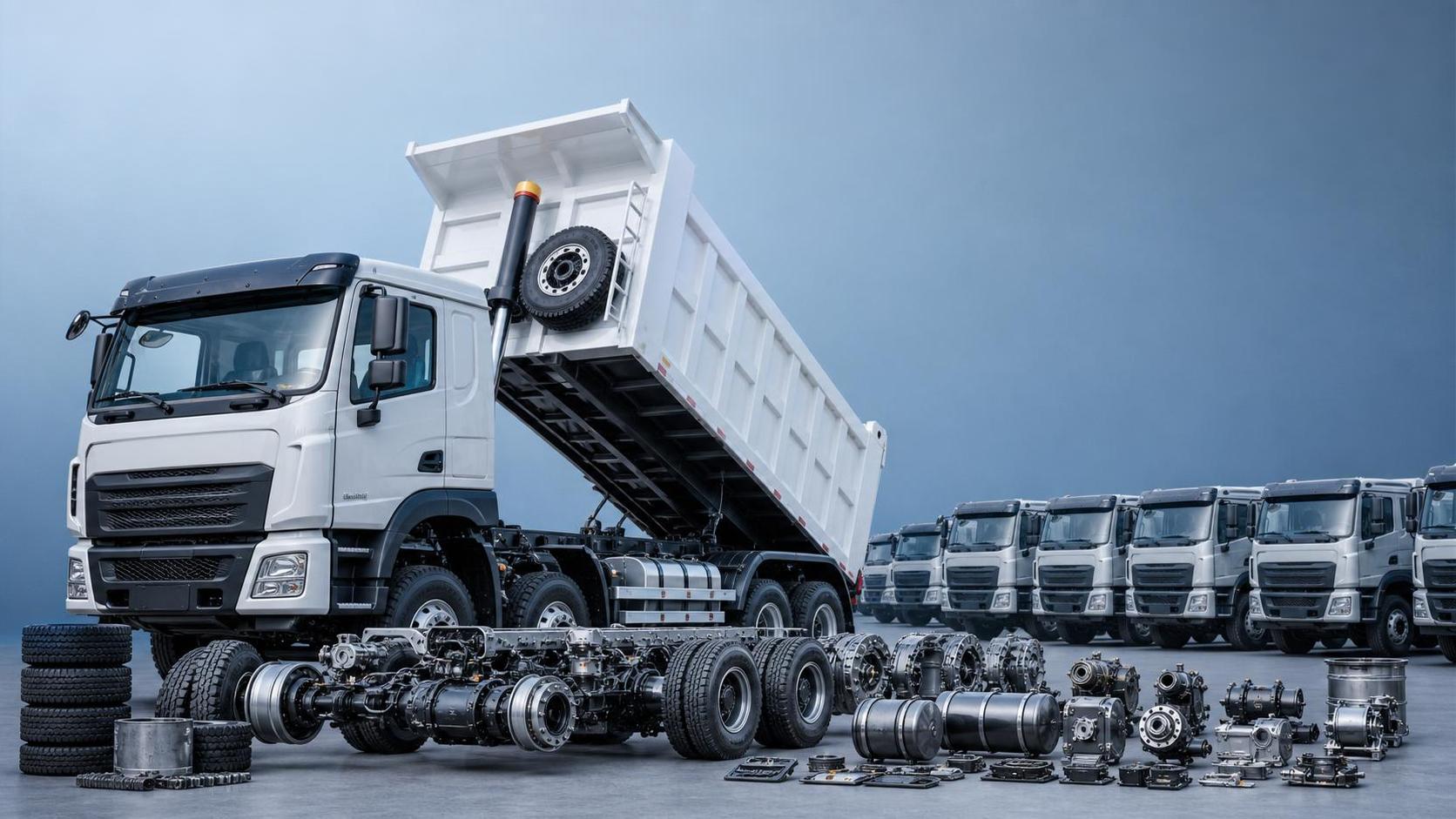
Cangshan Vehicle Configuration List: What to Check Before Ordering
Before placing an order, reviewing the Cangshan Vehicle Configuration List is essential for procurement teams that need the right specifications, reliable supply and long-term value.
From chassis options and power systems to body structure and export support, every detail can affect operating efficiency and purchasing decisions.
This guide explains what to verify first, what often gets missed, and how to compare options without slowing down the order cycle.
Why the Cangshan Vehicle Configuration List Matters
A Cangshan Vehicle Configuration List is more than a product sheet. It is the basis for cost control, compliance review, and delivery planning.
In actual purchasing work, small specification gaps can create large downstream costs. Wrong axle rating, tire size, or PTO setup can delay operations.
That is why the Cangshan Vehicle Configuration List should be checked against route conditions, payload targets, local regulations, and maintenance capacity.
A clear review process also improves supplier communication. Questions become specific, quotations become cleaner, and approval becomes faster.
Start with the Operating Scenario
Before reading any Cangshan Vehicle Configuration List, define where and how the vehicle will work. This step shapes every later configuration choice.
For example, urban transport, mining routes, construction sites, and cross-border hauling all require different combinations of durability, power, and body design.
- Road type: paved roads, mixed routes, rough terrain, or mountain areas
- Cargo type: bulk material, machinery, containers, or special loads
- Load frequency: peak seasonal use or stable year-round utilization
- Distance profile: short-haul cycles or long-distance operation
- Service conditions: workshop support, spare parts access, and driver skill level
When these basics are clear, the Cangshan Vehicle Configuration List becomes a practical decision tool instead of a technical formality.
Core Items to Check on the Cangshan Vehicle Configuration List
The most important review point is whether the listed configuration matches the required workload without overspending on unnecessary features.
1. Chassis and Axle Specification
Check wheelbase, frame strength, axle load rating, suspension type, and drive layout. These directly affect payload stability and road adaptability.
A Cangshan Vehicle Configuration List should clearly state whether the vehicle is optimized for heavy-duty work or lighter daily transport.
2. Engine and Transmission
Review horsepower, torque, emission standard, gearbox type, and fuel efficiency range. These values should align with terrain and expected load.
Higher power is not always better. In many cases, balanced power reduces fuel cost and keeps maintenance simpler.
3. Body Structure and Material
Body thickness, steel grade, tipping mechanism, sealing performance, and corrosion protection should all appear on the Cangshan Vehicle Configuration List.
This matters even more when vehicles work in wet, coastal, dusty, or high-impact environments.
4. Brake, Tire, and Safety Systems
Brake type, ABS availability, tire model, retarder options, lighting, and visibility features should never be treated as minor details.
These items influence operating safety, insurance acceptance, and service life under real working pressure.
5. Cabin and Driver Support
Cab comfort may seem secondary, but it affects fatigue, driver retention, and daily efficiency, especially in long-hour or multi-shift operations.
A complete Cangshan Vehicle Configuration List should mention air conditioning, seat type, sleeper setup, camera systems, and dashboard functions.
How to Compare Cost Beyond the Quoted Price
A lower quotation does not always mean lower procurement cost. The smarter comparison uses the full lifecycle behind the Cangshan Vehicle Configuration List.
This is where many buyers refine the Cangshan Vehicle Configuration List. A slightly higher upfront cost can produce better total value over time.
Questions That Should Be Asked Before Confirmation
A strong procurement process uses the Cangshan Vehicle Configuration List as a checklist for supplier clarification, not just internal review.
- Is the listed configuration standard or customized?
- Which components are from the original factory, and which are optional upgrades?
- Does the quotation include export packaging, inspection, and shipping support?
- What certificates and compliance documents are available for the destination market?
- What is the confirmed production or stock delivery timeline?
- How are spare parts and after-sales issues handled after arrival?
Clear answers reduce disputes later. They also make supplier comparisons much easier when several offers look similar on paper.
Why Supplier Strength Changes the Buying Decision
The Cangshan Vehicle Configuration List cannot be judged in isolation. Supplier capability often determines whether the listed vehicle can be delivered as promised.
From recent market changes, stable inventory and export coordination are becoming more important than purely low pricing.
Shandong Livol Truck International Trade Co., Ltd., based in Shandong, China, works as an official authorized domestic and overseas dealer for FOTON, SHACMAN and SINOTRUK.
With a network of authorized 4S stores across China and sufficient vehicle inventory, supply remains more stable and delivery can move faster.
That matters when a Cangshan Vehicle Configuration List includes custom requirements, export paperwork, or strict project deadlines.
An experienced export team also helps connect configuration review with documentation, customs clearance, logistics planning, and after-sales coordination.
Common Mistakes When Reviewing a Cangshan Vehicle Configuration List
Several problems appear again and again in commercial vehicle sourcing. Most of them can be prevented with a stricter configuration review.
- Focusing only on engine power and ignoring axle, frame, and suspension matching
- Accepting a Cangshan Vehicle Configuration List without confirming optional items in writing
- Missing local compliance requirements for emissions, lighting, or dimensions
- Underestimating spare parts support and service response time
- Comparing quotations with different technical scopes
The better approach is simple: normalize the configuration list, confirm exclusions, and compare suppliers using the same technical baseline.
A Practical Final Check Before Ordering
Before approval, run one final review of the Cangshan Vehicle Configuration List against operational demand, commercial terms, and delivery execution.
- Confirm vehicle use case and target load profile
- Check chassis, powertrain, body, and safety details
- Verify optional items and customized requirements
- Review compliance documents and export scope
- Estimate lifecycle cost, not only purchase price
- Confirm inventory, lead time, and after-sales support
A well-reviewed Cangshan Vehicle Configuration List reduces uncertainty, protects budget, and supports smoother project execution after delivery.
When the configuration, supplier strength, and export process are aligned, ordering becomes more accurate, more cost-effective, and far less risky.
Search Starts Here