
News
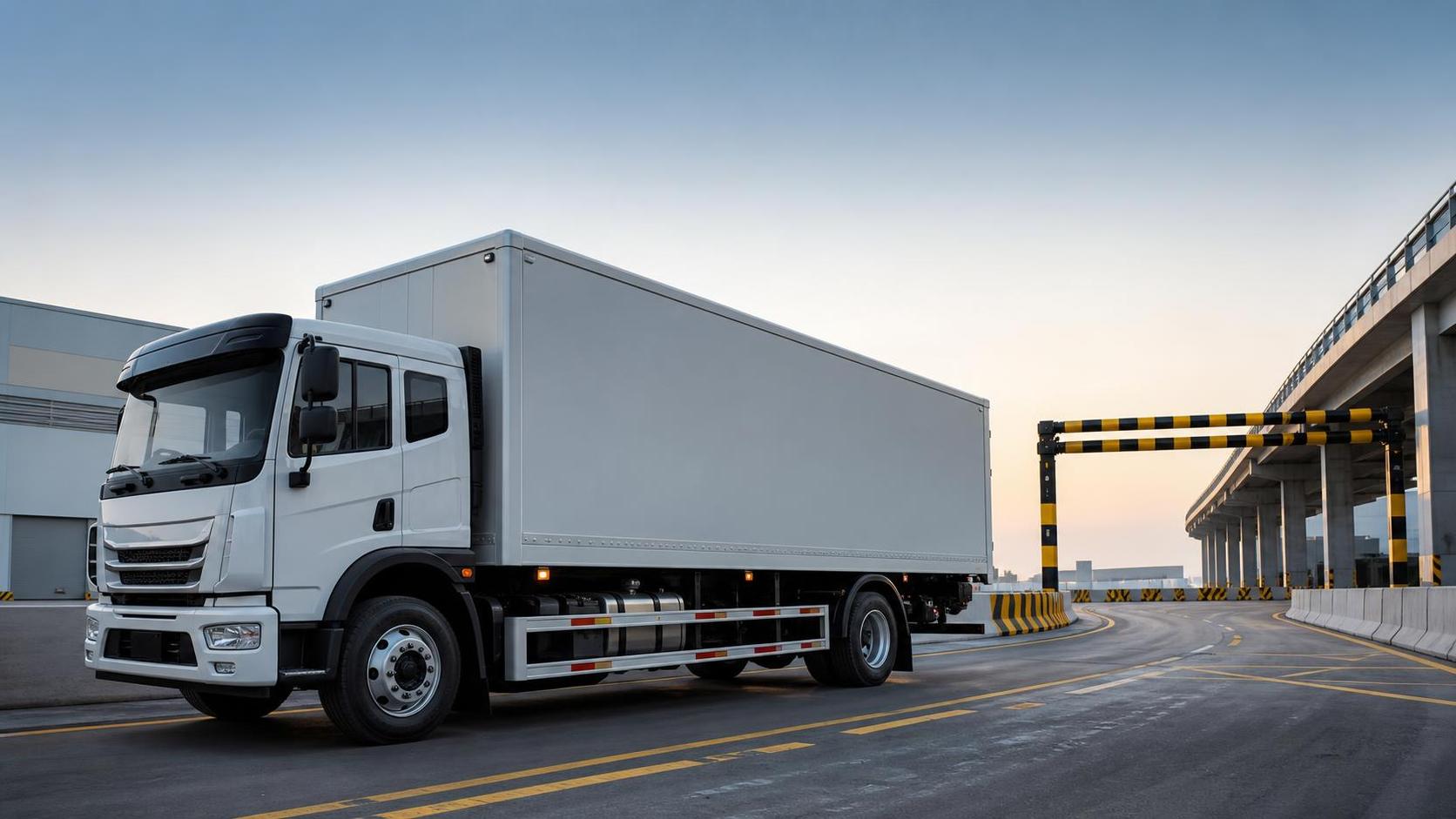
Cargo Truck Payload, Body Size, and Route Limits: What to Check Before Buying
Choosing the right 4_2 Cargo Truck is not just about the quoted unit price. In real procurement work, the expensive mistake usually shows up later: the truck is legal on paper but underperforms on your route, the cargo body looks large enough but cannot carry your actual loads efficiently, or the axle and road limits in the destination market quietly cut usable capacity. If you are buying for distribution, construction supply, retail delivery, agricultural products, or general freight, these are the checks worth doing before you sign.
This is where experienced buyers usually focus: not “What is the biggest truck I can get for the budget?” but “What truck will move the most usable tonnage, on my roads, with my cargo mix, without creating compliance or maintenance problems?” A 4_2 Cargo Truck can be a very efficient asset, but only when payload, body size, and route conditions are matched properly.
Start with the cargo, not the brochure
Before comparing brands or engine options, write down what the truck will carry in normal weeks, not peak-season exceptions. Buyers often ask for “maximum payload,” but that alone is not enough. You need three working numbers:
- Average shipment weight per trip
- Typical cargo volume in cubic meters
- Load type: dense cargo, bulky cargo, palletized goods, bagged products, beverages, steel items, farm inputs, or mixed city distribution loads
This matters because some fleets “weigh out” long before the body is full, while others “cube out” with plenty of legal weight still unused. Cement bags, bottled liquids, tiles, and hardware create a very different truck requirement from furniture, packaged consumer goods, or light agricultural products. If your cargo is usually dense, the body does not need to be oversized. If it is light but bulky, body dimensions become the main productivity factor.
A simple buyer mistake: choosing a larger body because it looks more versatile, then discovering loading discipline gets worse, turning radius suffers in urban delivery, and route access becomes tighter. More body is not always more business.
Check legal payload against real payload
When suppliers discuss payload, confirm exactly what number is being used. In procurement discussions, “payload” is sometimes treated too casually. What matters to your operation is the legal and usable payload after accounting for the truck’s curb weight, body configuration, optional equipment, fuel, and sometimes crew or standard operating load assumptions depending on the market.
Ask for these figures in writing:
- Gross vehicle weight rating or equivalent legal gross weight for the target market
- Chassis curb weight
- Body weight after installation
- Front and rear axle rated loads
- Any market-specific derating requirement【待核实 based on local regulations】
Rear axle overload is where many fleets run into trouble first. A truck may appear acceptable on total gross weight, but if the load distribution concentrates too much weight toward the rear, tire wear, suspension fatigue, and roadside penalties become much more likely. This is especially common with short-haul operations carrying palletized dense goods loaded quickly by forklift.
In practice, experienced buyers ask for an axle load diagram or at least loading guidance from the manufacturer or body builder. If nobody can explain how the rated payload stays compliant across the cargo floor, keep digging.
Body size should match loading method
Body length, width, and side-wall height should be chosen around how the truck is loaded and unloaded, not just the product sheet. A longer cargo body can improve trip efficiency, but only if the truck can still enter yards, reverse into docks, and clear turning points on local roads.
A few practical checks help here:
- Measure the most common pallet or package footprint. Then test how many units fit per row and per layer, not just total floor area.
- Confirm whether loading is by forklift, by hand, by crane, or from side access. The best body for hand-loaded retail goods is not always the best body for heavy pallet turnover.
- Check dock height compatibility if warehouse loading is frequent.
- Review body material and tare weight. A heavier body may reduce usable payload enough to erase the benefit of extra dimensions.
For some buyers, side curtain, box van, stake body, or dropside configuration affects operating cost more than the base chassis brand. Rain-sensitive cargo, theft-sensitive cargo, and mixed-route distribution all change the calculation. It is worth deciding the body type early, because changing that decision later often changes weight, lead time, and local certification needs.
Route limits can cancel out a good specification
This is the part newer buyers tend to underestimate. A 4_2 Cargo Truck may be technically suitable, but route restrictions can reduce its earning ability every day. Before buying, review the roads the vehicle will actually run:
- Bridge and axle load restrictions
- Urban truck-entry limits by time or vehicle class
- Height restrictions on flyovers, tunnels, depot entrances, and warehouse canopies
- Road width and turning constraints in town delivery or industrial parks
- Seasonal road condition issues, especially in rural or construction-related routes
A truck that is slightly shorter or slightly lighter may complete more legal trips than a larger unit that is forced onto longer detours. That is a procurement decision with direct cost impact. Fuel, driver time, tire wear, and delayed unloading all add up quickly.
If the destination market has local transport rules that vary by region, ask the importer, end user, or local compliance partner to verify them before finalizing body dimensions. This is not a detail to solve after shipment.
Wheelbase and axle ratio deserve more attention
Buyers often focus on horsepower because it is easy to compare. In daily use, wheelbase and axle ratio can matter just as much. Wheelbase affects body fit, weight distribution, ride stability, and maneuverability. Axle ratio affects gradeability, launch under load, cruising speed, and fuel consumption.
For city delivery with frequent stops, a spec optimized only for highway speed may disappoint. For intercity routes with moderate loads and long distances, an overly short gearing setup can push fuel cost higher than expected. The right question is not “Which spec is strongest?” It is “Which spec matches my average route profile?” Flat highways, mountain sections, mixed urban roads, and hot-climate heavy-duty cycles need different answers.
Do not separate payload decisions from compliance and registration
In export procurement, this point is easy to miss. Body modifications, dimension changes, emission requirements, lighting configuration, and safety items may affect registration or import clearance in the destination market. The exact requirements depend on country and sometimes on application, so they must be checked against local rules and current customs practice【待核实 by market】.
At minimum, confirm:
A reliable exporter should be able to support this process with specification confirmation, documentation coordination, and practical advice on what needs local verification. For buyers sourcing from China, that support often matters as much as the truck itself.
Look at lifecycle cost, not just acquisition cost
Two 4_2 Cargo Truck options can look similar in list price and still produce very different operating costs. Procurement teams should compare at least:
- Fuel consumption under the intended load and route pattern
- Service interval and parts availability in the destination market
- Tire size commonality and replacement cost
- Downtime risk if body parts or chassis parts are not locally supported
- Resale value expectations【待核实 locally】
This is where brand support and supply stability come into play. Companies such as Shandong Livol Truck International Trade, working with FOTON, SHACMAN, and SINOTRUK as authorized dealer channels, are often evaluated not only on unit supply but on whether they can support correct model selection, body matching, export paperwork, and follow-through after delivery. For procurement, that reduces friction and mis-spec risk.
Questions worth asking before issuing the PO
A short final check can save a lot of back-and-forth later:
- What is my actual legal payload after the final body is installed?
- Will my most common load hit volume limit or weight limit first?
- Can this truck enter my regular delivery zones and facilities without detours or access problems?
- Is the wheelbase suitable for both body size and turning conditions?
- Do local compliance documents and registration requirements match this exact configuration?
- If something fails in service, are parts and technical support realistically available?
That is usually the difference between buying a truck and buying a workable transport solution. A well-chosen 4_2 Cargo Truck should fit the cargo, stay legal on the route, load efficiently, and keep operating costs predictable. If one of those pieces is weak, the savings on the purchase price disappear quickly.
For procurement teams, the practical approach is simple: lock down the cargo profile, verify route restrictions with local facts, confirm legal axle and gross limits in writing, then buy the configuration that performs cleanly in that envelope. That is the spec you can defend internally, and the one your operators are less likely to fight with later.
Search Starts Here