
News
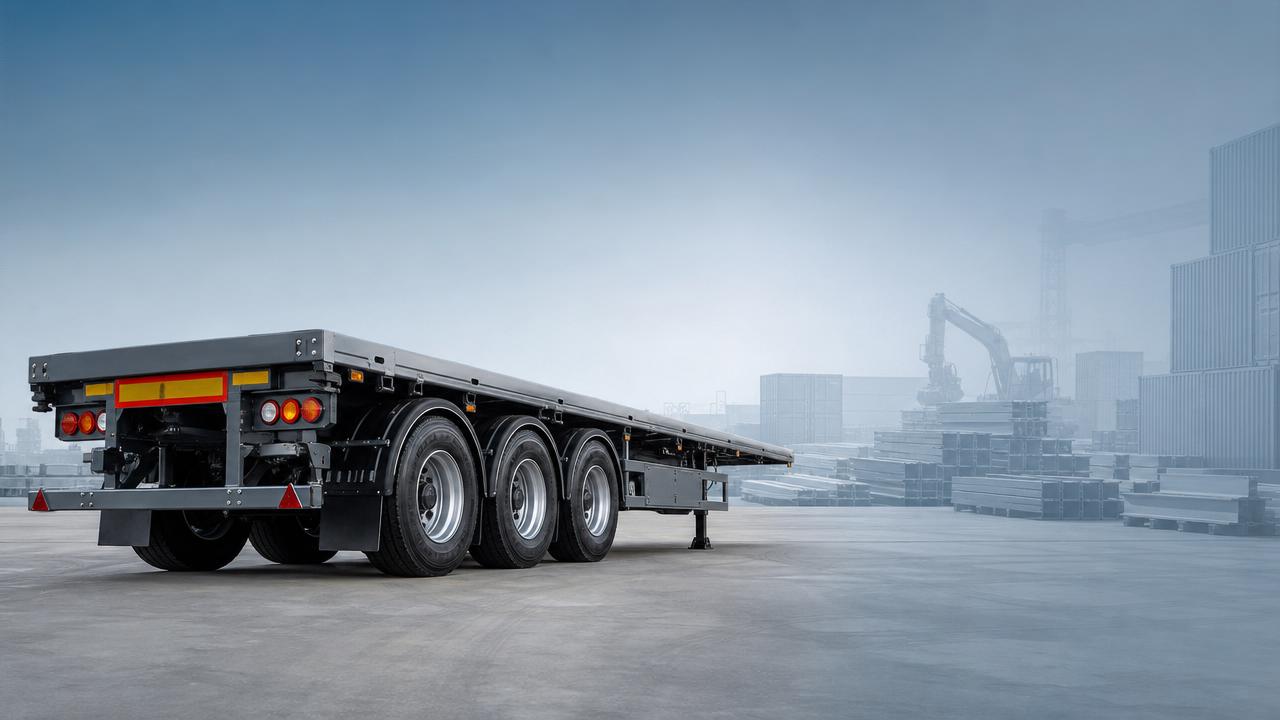
For financial approval, a Flatbed Semi-Trailer is not only a transport asset. It is a capital decision shaping utilization, operating cost, and long-term ROI.
In 2026, material prices, axle layout, payload targets, compliance rules, and export logistics will affect total acquisition cost.
Before purchase, scenario-based evaluation helps control budgets, compare supplier value, and avoid hidden expenses across the vehicle life cycle.
Why Flatbed Semi-Trailer Cost Must Be Judged by Operating Scenario
The price of a Flatbed Semi-Trailer changes significantly when the working scenario changes. A low upfront price may not deliver the best ROI.
Steel coil transport, container movement, machinery delivery, and construction material hauling create different loading patterns and structural stress.
A trailer selected only by purchase price may suffer from premature wear, poor load matching, or reduced resale value.
The better approach is to compare total ownership cost by scenario. This includes purchase, maintenance, downtime, fuel impact, and export expenses.
For international fleets, the Flatbed Semi-Trailer cost also includes customs documents, inland transport, port handling, and local registration preparation.
Scenario 1: Heavy Construction Materials and Infrastructure Loads
Construction sites often require a Flatbed Semi-Trailer to carry steel bars, pipes, precast parts, timber, and oversized building materials.
The main cost driver is structural strength. Thicker beams, reinforced cross members, and durable flooring increase purchase cost.
However, stronger structure reduces deformation risk. It also improves service life under frequent loading by cranes or forklifts.
For this scenario, the Flatbed Semi-Trailer should be evaluated by rated payload, frame durability, floor thickness, and tie-down system quality.
A lower-cost light-duty platform may appear attractive. Yet frequent overloads can raise repair spending and reduce operating availability.
Scenario 2: Container and Port Distribution Operations
Port and container routes demand predictable loading efficiency. A Flatbed Semi-Trailer may need container locks, stable axle spacing, and corrosion resistance.
Cost rises when twist locks, anti-slip surfaces, and enhanced paint systems are added. These features support safer container movement.
Port environments expose trailers to humidity, salt, and frequent braking. Weak coating quality may increase maintenance cost within two years.
ROI depends on daily turns. A properly configured Flatbed Semi-Trailer helps reduce loading delays and supports higher route frequency.
When port use is frequent, paying more for reliable locking systems and surface protection can be financially reasonable.
Scenario 3: Machinery, Engineering Equipment, and Irregular Cargo
Engineering machinery transport creates concentrated weight points. A Flatbed Semi-Trailer must handle uneven pressure from wheels, tracks, or support legs.
Cost factors include deck reinforcement, ramp compatibility, suspension strength, and lashing points. These details protect both trailer and cargo.
If the trailer carries excavators, loaders, generators, or drilling equipment, load distribution should be reviewed before confirming specifications.
A Flatbed Semi-Trailer with inadequate deck design may bend, crack, or become unsafe during repeated machinery loading.
For engineering equipment operations, the lowest quote should be compared against structural margin, not only nominal payload.
Scenario 4: Long-Distance Cross-Border Freight
Cross-border transport adds compliance and logistics complexity. A Flatbed Semi-Trailer may need market-specific lighting, braking, axle, and documentation standards.
The acquisition cost can rise when certification, inspection preparation, and customization are required before export.
Long-distance routes also magnify tire wear, suspension performance, and fuel influence. Trailer weight and alignment affect operating cost.
A lighter Flatbed Semi-Trailer may improve fuel efficiency. Yet the design must not compromise strength for required cargo loads.
For international deployment, supplier export capability is part of ROI. Documentation errors can create port delays and extra charges.
Main 2026 Cost Factors Behind Flatbed Semi-Trailer ROI
In 2026, cost pressure will not come from one factor. A Flatbed Semi-Trailer budget should combine several technical and trade variables.
- Steel grade and frame thickness directly affect strength, tare weight, and purchase price.
- Axle quantity influences payload capacity, road compliance, tire wear, and maintenance cost.
- Suspension type affects ride stability, cargo protection, and long-term repair needs.
- Brake system selection affects safety performance and market acceptance.
- Paint process and anti-corrosion design affect durability in coastal or humid regions.
- Customization adds cost but may improve loading efficiency and utilization.
- Export logistics affect landed cost, delivery time, and working capital planning.
The best Flatbed Semi-Trailer decision balances these variables against expected mileage, load cycle, cargo value, and service environment.
Different Scenarios, Different Cost Priorities
This comparison shows why a single Flatbed Semi-Trailer price cannot represent true investment value across all operations.
How Configuration Choices Affect Payback
Axle configuration and payload strategy
More axles can increase legal payload and improve load distribution. They also add tire, brake, and maintenance expenses.
The correct Flatbed Semi-Trailer axle plan should match cargo weight, road regulations, and expected route conditions.
Material thickness and trailer weight
Heavier structure improves durability for demanding work. Yet excessive tare weight may reduce legal payload and revenue per trip.
A cost-effective Flatbed Semi-Trailer uses enough strength where stress is highest, without unnecessary weight across the full platform.
Suspension, tires, and road conditions
Rough roads require stronger suspension and reliable tires. Poor matching can create downtime, uneven wear, and safety risks.
For long-haul use, suspension quality can influence maintenance intervals and driver confidence during loaded operation.
Scenario-Based Buying Checklist for Better ROI
A practical Flatbed Semi-Trailer evaluation should begin with operating data. The following checklist supports clearer cost comparison.
- Confirm normal cargo type, maximum cargo weight, and loading frequency.
- Review road quality, climate, port exposure, and border requirements.
- Compare trailer tare weight with legal payload limits.
- Check frame design, beam material, floor specification, and welding quality.
- Calculate maintenance parts availability and expected replacement cycles.
- Request complete export documents, packing method, and delivery schedule.
- Compare landed cost, not only factory quotation.
This process helps identify whether a Flatbed Semi-Trailer is priced cheaply or configured efficiently for the real task.
Common Misjudgments That Increase Lifetime Cost
One common mistake is comparing only base price. A low-cost Flatbed Semi-Trailer may lack the reinforcement required for daily work.
Another mistake is ignoring route compliance. Axle rules, lighting standards, and brake requirements can affect registration and operation.
Some decisions also overlook corrosion. In humid, coastal, or mining environments, paint quality can influence resale value and repair frequency.
Export cost is often underestimated. Port charges, inland delivery, documents, and customs coordination can change final investment figures.
The strongest ROI comes from matching the Flatbed Semi-Trailer configuration to the actual operating pattern before signing the order.
Export Supplier Capability Also Affects ROI
A reliable export partner can reduce risk during selection, customization, inspection, documentation, customs clearance, and international logistics.
Shandong Livol Truck International Trade Co., Ltd. is based in Shandong, China, with strong commercial vehicle export experience.
The company is an authorized domestic and overseas dealer for FOTON, SHACMAN, and SINOTRUK commercial vehicle brands.
Its authorized 4S store network and sufficient vehicle inventory support stable supply, faster delivery, and coordinated export service.
For a Flatbed Semi-Trailer project, professional support can help align specification, budget, shipment plan, and after-sales expectations.
Action Plan for a Profitable 2026 Purchase
Before confirming a Flatbed Semi-Trailer order, define the dominant scenario and secondary use cases. This prevents under-specification and wasteful over-specification.
Prepare cargo details, required payload, route conditions, destination market, and preferred delivery schedule. These inputs make quotations more accurate.
Then compare configurations by total landed cost, maintenance outlook, utilization potential, and resale expectations.
A well-selected Flatbed Semi-Trailer should improve fleet flexibility, reduce unplanned downtime, and support stronger long-term ROI.
For 2026 planning, request a scenario-based configuration review and export quotation before final budget approval.
Search Starts Here