
News
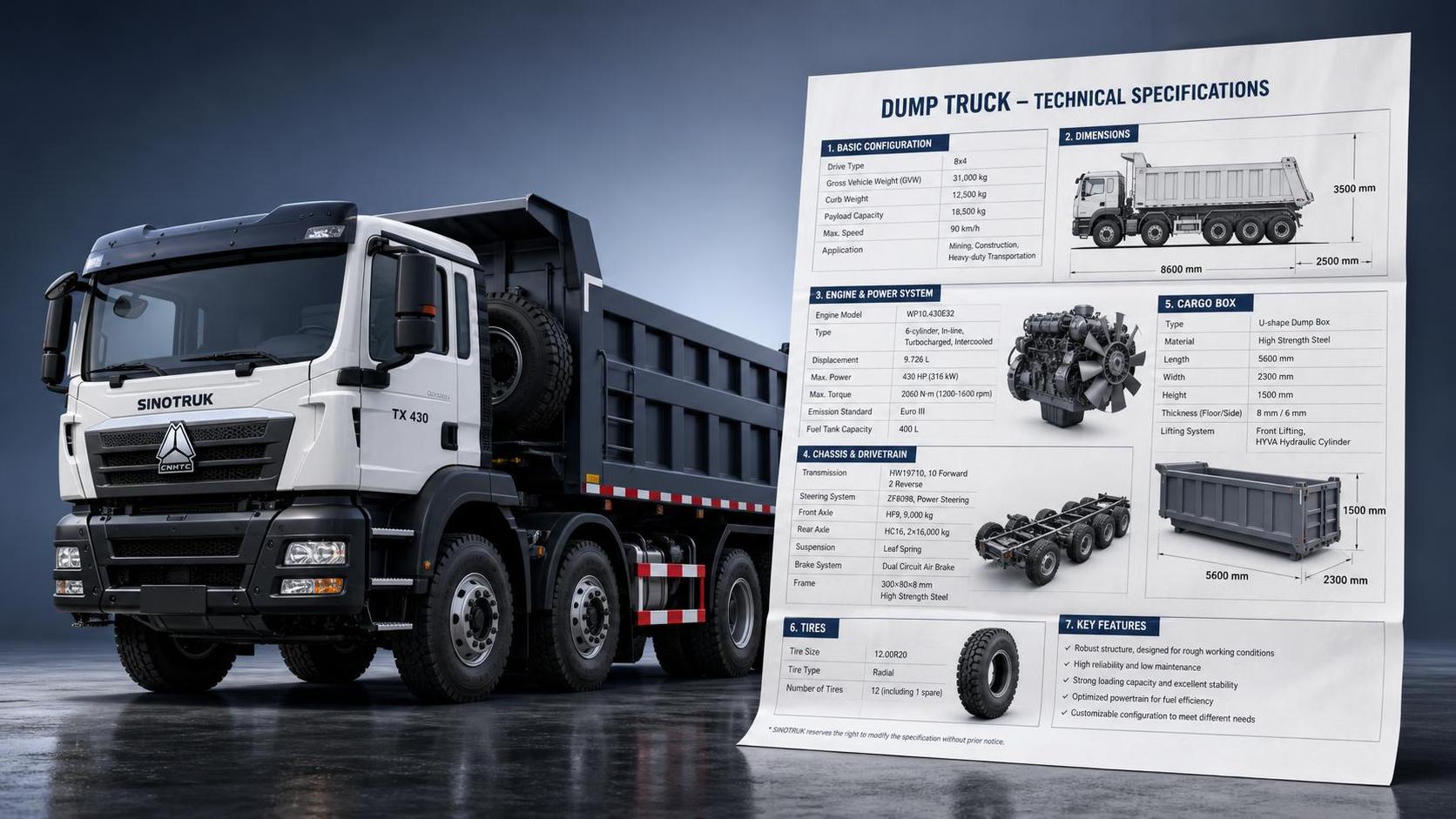
A Cangshan Vehicle Configuration List is not just a technical attachment. In real procurement work, it is where most ordering mistakes either get prevented or quietly get locked in. If the list is vague, copied from a previous order, or reviewed only by price, the problems usually appear later: wrong axle ratio for the route, missing cold-climate features, a body size that does not fit local operating limits, or a compliance gap that delays registration.
For business evaluators, the job is not to read every line like an engineer. The job is to identify which lines affect operating cost, delivery timing, legal entry, and resale value. That is the practical way to review a vehicle specification sheet before signing off.
Start with the actual operating scenario, not the model name
A common mistake is assuming the model badge tells you enough. It does not. Two vehicles sold under the same broad series can have very different chassis, suspension, tire, engine, and cab setups. Before reading the Cangshan Vehicle Configuration List, pin down the operating profile in plain business terms:
- What kind of load will it carry?
- How many kilometers will it run per day?
- Will it work on highways, mining roads, mixed urban routes, or construction sites?
- Does the destination market require left-hand drive or right-hand drive?
- Is fuel economy more important than payload, or is uptime the bigger concern?
If that operating picture is still blurry, the configuration review becomes guesswork. And once production starts, changing the key items is usually slow and expensive.
Check the chassis line first because it determines what the vehicle can really do
The chassis section deserves more attention than cosmetic or cabin options. This is where the vehicle’s working ability is defined.
Wheelbase is the first line to look at. It affects body length, turning radius, weight distribution, and sometimes loading efficiency. A longer wheelbase may support a larger body, but that does not automatically make it better. In tight sites or city operations, it can reduce maneuverability and create loading restrictions.
Axle load rating should be read alongside the planned payload, not in isolation. Buyers sometimes focus on gross vehicle figures and miss the practical issue: whether the front and rear axle allocation matches the expected loading pattern. Uneven loading or special body equipment can make a technically acceptable truck perform poorly in service.
Suspension type also matters more than many procurement teams expect. Steel spring, reinforced suspension, or other heavy-duty setups may be necessary for rough service, but they can affect ride comfort, empty-vehicle behavior, and maintenance pattern. If the truck will spend most of its life on paved roads, over-specifying suspension can raise cost without delivering much value.
Do not review engine and transmission as separate items
On paper, an engine line and a gearbox line look simple. In practice, they need to be judged as a working pair. The issue is not only horsepower. It is whether the powertrain fits route conditions, fuel quality, load profile, and driver skill level.
Pay attention to these points:
- Engine output should match the duty cycle. Repeated hill work, heavy off-road movement, or stop-start urban transport place different demands on torque delivery.
- Transmission type affects both operating ease and service planning. Manual and automated options may have different training and maintenance implications in the destination market.
- Rear axle ratio must be read together with engine and gearbox. This is one of the most frequently overlooked lines in a specification list. A mismatch here can hurt fuel consumption or leave the truck underperforming under load.
- Fuel tank capacity should fit route distance and local refueling conditions. A lower purchase price can be erased quickly if fleet scheduling becomes inefficient.
If the configuration sheet lists powertrain codes but not the practical application logic, ask for a decoded version that links the selection to route and load conditions. That is a much better review method than comparing horsepower numbers alone.
Body and upper structure details need the same discipline as the base vehicle
For many commercial vehicle orders, the biggest mismatch does not come from the chassis. It comes from the body specification. Tipper dimensions, cargo box design, side wall thickness, hydraulic arrangement, locking method, toolbox layout, tailgate design, and floor material all affect daily usability.
This is where procurement teams often approve a “standard configuration” without checking whether it fits their actual loading equipment, site clearance, or unloading method. A body that works well in one market may be awkward in another because loading machinery, road rules, and operating habits are different.
When reading this section, compare three things side by side: body dimensions, legal road limits in the destination market, and the material being transported. That usually reveals whether the listed setup is realistic or just generic.
Review compliance items by target market, not by exporter habit
A vehicle can be mechanically suitable and still fail at import or registration stage. That is why compliance-related lines on the Cangshan Vehicle Configuration List need a separate check. The key point is that the required items depend on the destination market, vehicle category, and intended use.
Instead of treating compliance as a broad yes-or-no issue, review the document set and specification fields that usually drive approval:
The practical move here is to match the configuration list against the destination market’s registration file requirements and the sales contract appendix. If a field appears in one document but not the others, that gap needs to be closed before order release.
Check what is standard, what is optional, and what is only described loosely
This part sounds basic, but it causes a surprising number of disputes. Some configuration lists mix firm specifications with optional content, market packages, or descriptive notes. If the wording is loose, procurement may think an item is included when it is only available on request.
Watch for lines such as “with reinforced parts,” “export version,” “luxury cabin,” or “heavy-duty package” without a detailed breakdown. Those labels are not enough for a commercial decision. They need to be unpacked into visible components or part-level descriptions, especially when price comparison is involved.
A good review question is simple: if this item is missing on delivery, could the supplier argue that it was never specifically promised? If the answer is yes, tighten the wording before placing the order.
Look closely at tires, electrical details, and climate adaptation
These lines are easy to skip because they look minor beside engine or axle specifications. They are not minor in service.
Tire specification affects durability, traction, replacement planning, and sometimes legal use. Check size, ply or load-related description where provided, tread pattern suitability, and whether the local market can source replacements easily.
Electrical system details matter if the vehicle will operate with add-on equipment, local lighting modifications, or cold-start demands. Battery setup, alternator capacity, and wiring readiness can affect commissioning work after arrival.
Climate adaptation should be checked against actual destination conditions, not general country labels. High-altitude operation, high heat, heavy dust, or cold start environments may require specific cooling, filtration, heating, or insulation arrangements. Missing these features creates a problem that is expensive to solve later and impossible to hide during operation.
Treat documentation fields as part of the vehicle, not as admin work
Commercial vehicle procurement is often delayed by paperwork mismatch rather than hardware shortage. For that reason, the naming and coding on the configuration list should be consistent with the quotation, contract, invoice description, and shipping documents.
Pay special attention to model designation, chassis number format, engine identification references if listed, body description, and quantity wording. Even a small inconsistency can create customs or registration friction. In cross-border transactions, document alignment is part of risk control, not a clerical afterthought.
Before approval, run one last commercial filter
Once the technical review is done, step back and ask whether the listed configuration still makes business sense. This final pass is where evaluators catch over-specification and hidden follow-on cost.
- Does any upgrade raise price without a clear operating return?
- Does any cheaper option create downtime, retrofit cost, or restricted use later?
- Are spare parts and after-sales support likely to match the selected configuration, not just the base model?
- Will the chosen setup still be easy to resell or redeploy if the operating plan changes?
That is usually the difference between a specification that looks acceptable in procurement and one that performs well over the full asset cycle.
A practical review sequence that works
If time is limited, review the Cangshan Vehicle Configuration List in this order: operating scenario, chassis, powertrain match, body specification, market compliance fields, optional versus standard content, then document consistency. That sequence catches the expensive mistakes early.
The main principle is straightforward. Do not approve a vehicle because the model is familiar or the price is attractive. Approve it when the configuration list clearly shows that the truck, the body, the documents, and the destination-market requirements all point to the same outcome. That is how ordering risk gets reduced before production, shipping, and registration turn a small omission into a costly one.
Search Starts Here