News
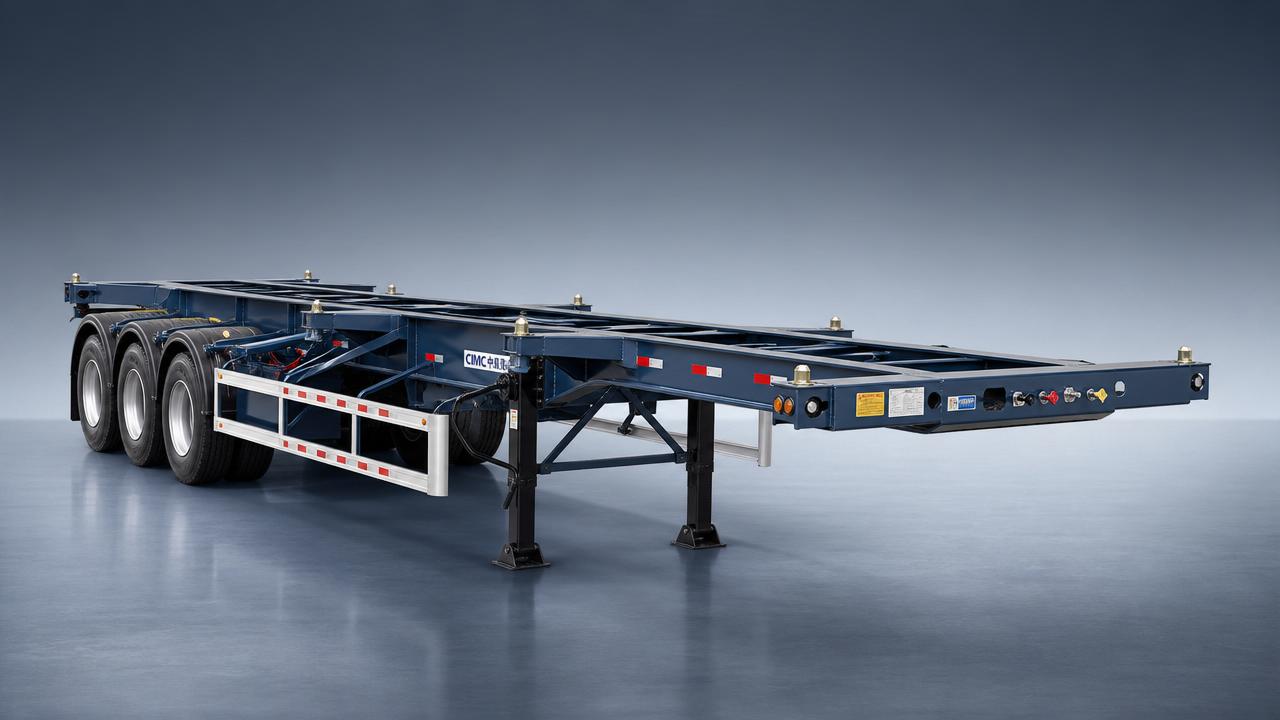
For after-sales maintenance teams, keeping a Skeleton (Container) Semi-Trailer in dependable condition directly reduces downtime and protects transport efficiency.
Regular inspection of the chassis, twist locks, brakes, tires, lighting, and air lines helps prevent small defects from becoming costly roadside failures.
This guide answers common maintenance questions and provides practical steps for extending trailer life, improving safety, and lowering total operating cost.
What maintenance points matter most on a Skeleton (Container) Semi-Trailer?
The most critical areas are the frame, cross members, twist locks, landing gear, suspension, axles, braking system, tires, and electrical connections.
A Skeleton (Container) Semi-Trailer works under repeated heavy loading, vibration, and container impact. These conditions accelerate wear at structural and moving parts.
Daily walk-around checks should focus on visible cracks, missing fasteners, oil leaks, broken lamps, loose air hoses, and damaged reflectors.
Weekly service should include brake stroke inspection, tire pressure verification, wheel nut torque checks, and lubrication of points recommended by the trailer builder.
Monthly checks should go deeper. Measure brake lining wear, inspect suspension bushings, examine welds, and look for corrosion at high-stress zones.
- Frame rails and cross members for cracks or deformation
- Twist locks for engagement, corrosion, and spring function
- Landing gear for smooth lifting and gearbox lubrication
- Brake chambers, hoses, and valves for leakage
- Tires for uneven wear, cuts, and heat damage
- Lighting harness and plug socket for moisture ingress
A documented checklist creates consistency. It also makes the maintenance history of each Skeleton (Container) Semi-Trailer easier to review and improve.
Why are chassis and twist lock inspections so important?
The chassis carries the full container load. Any crack, bending, or weld separation can affect stability, alignment, and long-term structural safety.
Twist locks are equally critical because they secure the container to the Skeleton (Container) Semi-Trailer during acceleration, braking, and cornering.
If a twist lock does not rotate fully or fails to latch, cargo security is immediately compromised. That raises both safety and compliance risks.
Inspect lock heads for wear, bent parts, rust, and restricted movement. Springs, handles, and retaining pins should move freely without sticking.
Pay close attention to container contact zones. Repeated loading can create impact marks, surface cracks, and coating damage around the lock base.
For the chassis, examine the kingpin area, suspension mounting points, rear overhang, and cross member joints. These locations often carry concentrated stress.
Minor rust should be cleaned and recoated early. Corrosion left untreated can hide cracks and weaken the Skeleton (Container) Semi-Trailer over time.
Quick warning signs
- Twist lock handle feels loose or jammed
- Uneven container seating on the trailer bed
- Visible weld discoloration or hairline cracks
- Distorted frame sections after overload events
How often should brake, tire, and suspension systems be checked?
These systems should be checked before operation, then inspected more thoroughly on a weekly and monthly cycle based on mileage and road conditions.
Brakes on a Skeleton (Container) Semi-Trailer must deliver balanced stopping force. Uneven brake action causes tire scrub, longer stopping distance, and lining wear.
Listen for air leaks after charging the system. Inspect brake chambers, slack adjusters, drums or discs, and hose routing near moving parts.
Tires should be checked for pressure, tread condition, embedded debris, shoulder wear, sidewall cuts, and irregular patterns caused by alignment problems.
Underinflation generates heat and increases rolling resistance. Overinflation reduces contact patch and may shorten tire life on rough roads.
Suspension parts need equal attention. Worn bushings, broken leaves, or damaged air suspension components can make the Skeleton (Container) Semi-Trailer unstable.
Axle alignment should be verified if tires wear quickly or the trailer tracks abnormally. Misalignment increases fuel use and causes avoidable downtime.
What common maintenance mistakes increase downtime?
One major mistake is repairing only visible faults while ignoring root causes. A replaced tire will fail again if alignment or suspension problems remain.
Another mistake is inconsistent lubrication. Dry landing gear, worn hinges, and seized moving parts can quickly sideline a Skeleton (Container) Semi-Trailer.
Delayed cleaning is also costly. Mud, salt, and chemical residue hold moisture against steel and accelerate corrosion at welds and mounting brackets.
Some teams overlook electrical checks. Yet lamp failure, corroded connectors, and damaged harnesses often create avoidable delivery delays and inspection failures.
Using non-matching spare parts can create fitment issues or uneven wear. Service parts should match the technical requirements of the trailer specification.
Poor recordkeeping is another hidden problem. Without service history, patterns are missed, repeat failures continue, and preventive planning becomes weak.
Mistakes to avoid
- Ignoring minor cracks near stressed welds
- Skipping torque checks after wheel service
- Operating with uneven tire pressure
- Leaving damaged twist locks in service
- Postponing air leak repairs
How can preventive maintenance lower cost over the full service life?
Preventive maintenance reduces emergency repairs, shortens workshop time, and helps each Skeleton (Container) Semi-Trailer stay available for revenue work.
It also protects connected components. For example, timely brake adjustment reduces abnormal tire wear and avoids extra stress on suspension parts.
Planned inspections make spare parts forecasting more accurate. That lowers waiting time and supports stable operation for container transport fleets.
A preventive approach improves safety performance as well. Reliable lights, secure locks, and healthy brakes reduce incidents during long-distance haulage.
For export and cross-border operations, good maintenance records support smoother compliance checks and demonstrate disciplined equipment management.
The best schedule combines daily inspection, periodic workshop service, and immediate correction of any defect that affects structural or braking safety.
How should service teams build a practical inspection plan?
Start by grouping tasks into pre-trip, weekly, monthly, and seasonal inspections. This makes the Skeleton (Container) Semi-Trailer easier to manage.
Pre-trip checks should be fast and visual. Confirm tires, lamps, twist locks, hoses, landing gear position, and obvious structural condition.
Weekly service can cover lubrication, brake stroke, wheel nuts, suspension hardware, and electrical plug condition.
Monthly inspections should include detailed underbody review, corrosion treatment, axle alignment assessment, and measurement of wear parts.
Seasonal maintenance is useful in harsh climates. Moisture, road salt, and heat cycles affect the Skeleton (Container) Semi-Trailer differently across regions.
Digital records help track repeated issues. When one trailer shows frequent lock, brake, or tire problems, the root cause can be addressed earlier.
FAQ summary: what should never be skipped on a Skeleton (Container) Semi-Trailer?
Never skip checks on the frame, twist locks, brakes, tires, suspension, lights, and air system. These directly affect uptime and transport safety.
A Skeleton (Container) Semi-Trailer performs best when inspection routines are simple, repeatable, and supported by accurate maintenance records.
Early attention to wear, corrosion, and alignment issues prevents expensive failures and keeps container transport operations running with fewer interruptions.
Shandong Livol Truck International Trade Co., Ltd. supplies dependable commercial vehicle solutions with professional export support and responsive service experience.
For stable supply, customization, and long-term operating support related to Skeleton (Container) Semi-Trailer applications, taking the next step with an experienced partner helps reduce risk.
Search Starts Here