
News
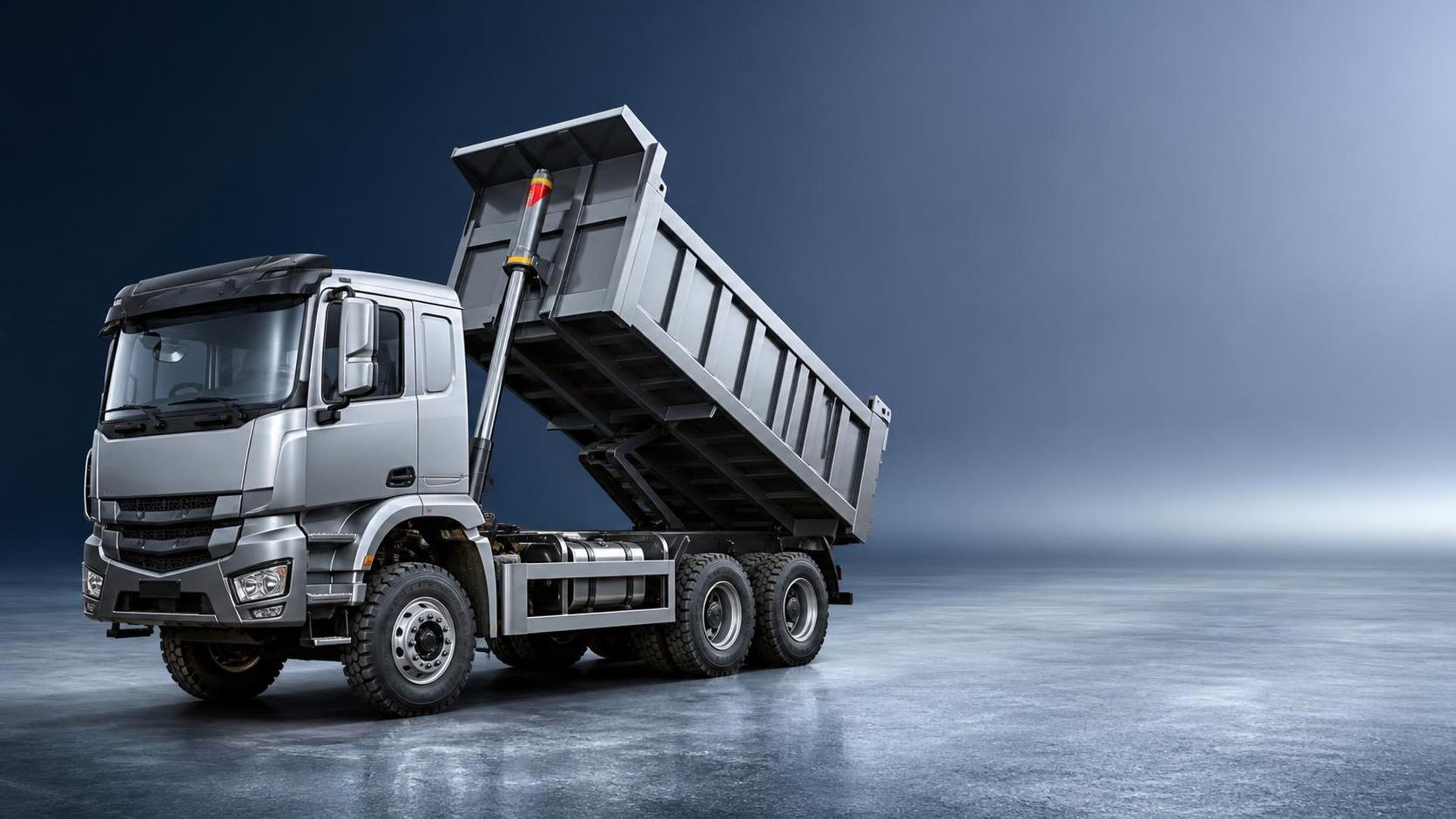
A Cangshan Vehicle Configuration List should be read as an engineering and commercial comparison document, not as a catalogue of isolated options. Each line affects the vehicle's operating envelope: legal mass, usable payload, gradeability, body compatibility, service requirements, shipment dimensions, and the likelihood of configuration changes before delivery. A truck that appears similar on the first page may be unsuitable once axle ratings, wheelbase, power take-off provisions, or cab equipment are examined together.
Begin by fixing the intended duty cycle in measurable terms. Identify the material being carried, estimated body volume, loading method, road surface, average route distance, steep sections, ambient temperature, and expected operating hours. A tipper carrying dense aggregate requires a different chassis balance from a cargo truck carrying palletized construction materials. A mixer, crane truck, water tanker, and flatbed may share a nominal gross vehicle mass while needing very different frame, suspension, and power take-off arrangements.
Read the configuration list from the chassis outward
The model designation at the top of the list is only a reference. It may indicate a vehicle family, drive arrangement, cab type, or nominal tonnage class, but it does not confirm the full build. The usable specification begins with the chassis record. Match the listed VIN range, chassis code, drive type, wheelbase, axle configuration, and declared mass ratings before comparing engine output or visible equipment.
Drive configuration is usually written as formats such as 4x2, 6x4, 6x6, or 8x4. The first number refers to wheel positions and the second to driven positions. A 6x4 arrangement generally suits many highway and mixed-road haulage applications, while 6x6 may be selected where loose ground, construction access roads, and reduced traction conditions are expected. However, additional driven axles add weight, driveline complexity, and maintenance points. The configuration list should therefore be read alongside the actual route rather than treated as a universal upgrade.
Wheelbase deserves close attention because it determines more than body length. It affects turning radius, rear overhang, axle load distribution, propeller-shaft layout, frame exposure, and the space available for tanks, batteries, spare wheels, and auxiliary equipment. A longer wheelbase may accept a larger cargo body, but it can reduce breakover performance on rough access roads. For a tipper or truck-mounted crane, the body-builder drawing should be checked against the selected wheelbase before the chassis is released for production or shipment.
Mass figures need to be separated, not blended
The most common reading error is to treat all weights as payload. A configuration list may show curb weight, chassis weight, gross vehicle weight rating, gross combination weight rating, front axle rating, rear axle rating, and permitted trailer mass. These are different control points. Payload is only the remaining capacity after the fitted body, hydraulic equipment, fuel, tools, spare wheel, occupants, and optional accessories are accounted for.
For example, a bare chassis can appear to offer adequate payload, yet a steel dump body, subframe, hoist, hydraulic tank, protective canopy, and side guards may materially reduce the remaining capacity. Tank bodies require the weight of pumps, hose reels, compartments, and liquid surge-control components to be considered. Cargo bodies with insulated panels, tail lifts, or lifting mechanisms also change the final empty weight.
Axle loading is often the limiting factor even when the total vehicle mass appears acceptable. A body with excessive rear overhang can overload a rear axle group. A front-mounted winch, heavy cab protection, or front equipment can reduce steering axle reserve. The list should be reviewed with a basic load-distribution calculation that reflects the planned body and a realistic center of gravity. For liquid transport, partial-fill conditions can be more demanding than a simple full-tank estimate because liquid movement changes axle loading during braking and cornering.
Interpret the engine and transmission as a working pair
Rated horsepower is an incomplete basis for comparison. The Cangshan Vehicle Configuration List should show engine model, rated power, maximum torque, torque speed range, emission configuration, transmission type, gear count, clutch arrangement, and sometimes retarder or engine brake information. Torque availability at operating speed matters for hauling from low-speed starts, climbing grades, and maintaining progress on soft site roads. Peak power alone does not show how the truck will respond under a loaded body.
Transmission ratios should be considered against tyre size, axle reduction ratio, expected vehicle mass, and route profile. A higher numerical final-drive ratio may improve low-speed pulling ability but can raise engine speed during road travel. A faster ratio can be suitable for sustained paved-road operation, provided the engine has sufficient reserve for grades and headwinds. Comparing only the number of gears can obscure the issue; the spacing of low gears and the final-drive pairing determine whether the vehicle can move away smoothly with a loaded construction body.
Where a power take-off is listed, verify its location, output direction, engagement method, and whether it is compatible with the required hydraulic pump. A side-mounted PTO, rear PTO, or transmission-specific arrangement may affect pump installation and body-builder access. Hydraulic tipping equipment, mixers, recovery winches, compressors, and tanker pumps should not be assumed compatible merely because a PTO appears in the list. Confirm the required torque, continuous-duty demand, hydraulic flow, reservoir placement, and cooling provision.
Frame, suspension, and axles reveal the real duty rating
Frame information may include rail dimensions, reinforcement, cross-member layout, material description, and whether an inner liner is fitted. A deeper or reinforced frame can support demanding body applications, but its suitability depends on the body mounting method and load concentration. Drilling, welding, or relocating cross-members without approved body-builder guidance can introduce stress points. The configuration record should be passed to the body manufacturer early enough to confirm subframe length, mounting brackets, and clearance around suspension travel.
Suspension descriptions require equally careful reading. Multi-leaf springs, parabolic springs, rubber suspension components, and air suspension are intended for different ride, load, and terrain priorities. Heavy multi-leaf arrangements can suit severe site work, while air suspension may be preferred where load protection, ride comfort, or docking height control is required. Neither should be selected in isolation. Ground clearance, axle articulation, body stability, tyre specification, and the condition of access roads need to align.
- A listed axle capacity should be matched to the expected static and dynamic load, including the effect of uneven loading and rough-ground travel.
- Hub reduction or wheel reduction axles may offer advantages in low-speed, high-load work, while adding specific maintenance and lubricant requirements.
- Inter-axle and differential lock entries should be checked for the actual drive layout; a lock on one axle does not imply full traction capability across every axle.
- Tyre notation identifies size, construction, load range, and sometimes tread pattern. Road-biased tyres can perform poorly on loose aggregate, while aggressive patterns may wear quickly on long paved routes.
Pay attention to wheel and tyre availability in the destination market. A technically suitable tyre size becomes a service concern if replacements, rims, tubes where applicable, or compatible repair equipment are difficult to source. The same review applies to filters, brake components, belts, electrical connectors, and lubricants specified for the chosen driveline.
Cab and electrical lines are operational specifications
Cab entries can look secondary beside chassis ratings, yet they influence fatigue, safety, climate suitability, and working time. Check left- or right-hand steering position, cab width, roof height, sleeper arrangement, seat type, air-conditioning specification, heating capacity, mirror configuration, and cab tilt equipment. A high-roof sleeper cab may not suit sites with height restrictions. A day cab may leave more frame length for a body, but it changes long-distance operating practicality.
Electrical configuration should be reviewed as a capacity plan. Battery voltage, battery quantity, alternator output, starter rating, lighting package, trailer socket type, and auxiliary connectors determine whether added equipment can operate reliably. Beacons, work lamps, reverse alarms, body controls, tail lifts, refrigeration units, and hydraulic solenoids create additional electrical demand. Ask whether the listed alternator rating is the standard fitment or an option, and whether body equipment requires an isolated circuit, additional battery, or upgraded wiring harness.
For export preparation, the configuration list must also be reconciled with the physical vehicle supplied. Differences can arise from option substitutions, tyre changes, body-builder requirements, or production revisions. Before shipment, compare the final specification sheet, chassis identification, engine identification, wheelbase measurement, axle labels, tyre markings, and fitted accessories with the agreed configuration. Photographs and inspection records are useful only when they are tied to the specific vehicle rather than a representative unit.
Use option codes to control scope changes
Option codes, notes, and exclusions often contain the most commercially significant information. An item described as “optional,” “upon request,” “for reference,” or “subject to final confirmation” should not be treated as included. Separate standard equipment from selectable equipment, and record the final choice line by line. This is especially important for fuel tank capacity, spare wheel provision, PTO, retarder, tyres, air-conditioning, intake protection, exhaust orientation, and body mounting interfaces.
Configuration documents may use abbreviations or translated terminology that do not fully explain the component. Where a term is unclear, obtain the manufacturer drawing, component model number, or technical description instead of inferring its meaning from a similar vehicle. A small ambiguity around a suspension code or brake chamber arrangement can become expensive after a body has been installed or the vehicle has reached its destination.
The final selection should remain internally consistent: payload target must fit axle limits; wheelbase must fit the body; PTO must suit hydraulic demand; tyres must match terrain; electrical capacity must cover auxiliaries; and the declared dimensions must suit transport and destination access. Reading the list in this linked way turns a long specification sheet into a controlled basis for selecting a truck that can be built, shipped, registered where applicable, and maintained in the conditions it will actually face.
Search Starts Here