
News
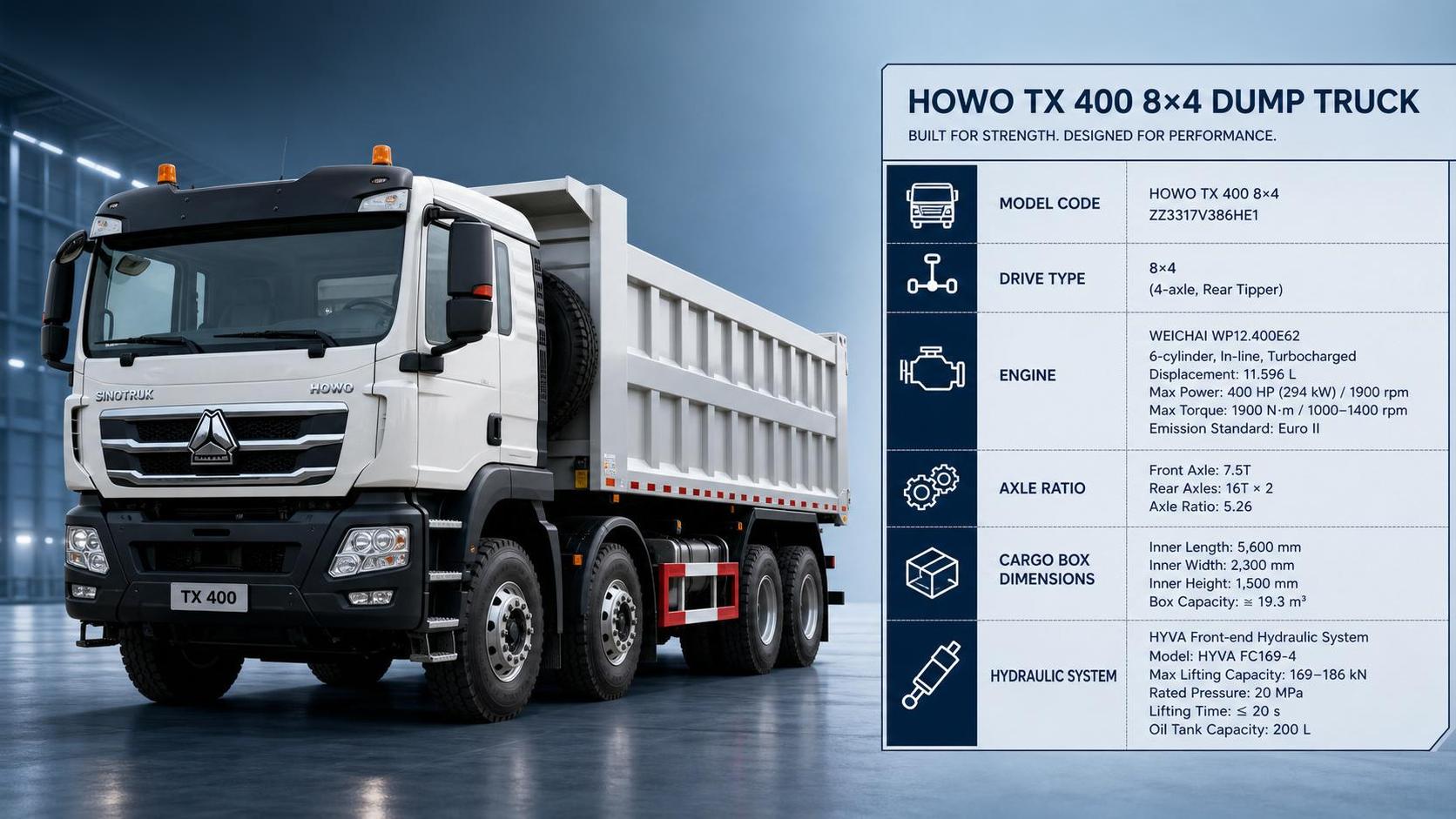
A Cangshan Vehicle Configuration List is more than a technical sheet. In engineering vehicle sourcing, it is the document that decides whether a unit will match jobsite demands, local regulations, payload targets, and long-term operating cost.
Reading it carefully helps avoid a common problem in cross-border procurement: two vehicles may look similar in photos, yet differ in axle ratio, emission level, body material, or hydraulic layout.
That is why understanding how to read the Cangshan Vehicle Configuration List matters before price comparison. It shortens supplier evaluation, reduces rework, and supports more accurate ordering for engineering transport and construction operations.
Why this document carries so much weight
In the engineering vehicle sector, specification errors rarely stay small. A mismatch in chassis rating or body size can affect loading efficiency, road legality, spare parts planning, and delivery schedules.
The Cangshan Vehicle Configuration List usually serves as the practical bridge between a sales offer and the physical vehicle. It translates broad model names into measurable details.
This becomes even more important when procurement involves exports, local adaptation, or fleet standardization across several projects.
For example, exporters with established manufacturer channels, stable inventory, and documentation support can move quickly. Still, the final decision remains tied to what the configuration list confirms in writing.
What a Cangshan Vehicle Configuration List usually includes
Although formats vary by supplier and vehicle type, most lists follow a familiar structure. The key is knowing which entries are descriptive and which ones are decision-critical.
Core vehicle identity
Start with the model code, drive type, cab version, and vehicle category. In engineering applications, confusion often starts here because one series may support several build combinations.
A dump truck, mixer chassis, or cargo engineering truck may share a platform name, while actual working capacity differs sharply.
Powertrain details
Engine brand, horsepower, torque, displacement, and emission standard deserve close attention. The transmission model, gear count, PTO compatibility, and axle ratio should be reviewed together, not separately.
A strong engine can still underperform on slopes if the gear and final drive combination does not fit the operating environment.
Load-bearing and structural items
Look at GVW, curb weight, payload, frame thickness, axle capacity, suspension type, and tire specification. These figures reveal whether the vehicle suits sand, aggregate, concrete, or mixed road work.
On a Cangshan Vehicle Configuration List, these items often determine actual earning ability more than engine output alone.
Upper body or functional assembly
For engineering vehicles, body length, box thickness, hydraulic system brand, lifting arrangement, or tank volume can be as important as chassis data.
If the vehicle is intended for demanding site conditions, material grade and reinforcement points should be verified rather than assumed.
The specifications that deserve extra attention
Not every line on the list has equal business value. Some entries change appearance. Others change performance, compliance, and lifecycle cost.
If one item needs a second check, it is the relationship between rated figures and actual use conditions. A vehicle built for highway freight logic may not suit quarry or municipal engineering work.
How to compare configuration lists efficiently
A useful comparison is not just model versus model. It is requirement versus configuration, then configuration versus delivered scope.
When reviewing more than one Cangshan Vehicle Configuration List, place the non-negotiable items in one column and optional items in another. That keeps a lower price from hiding a weaker specification.
Build a short comparison framework
- Confirm operating scenario, including road condition, gradient, cargo density, and daily mileage.
- Match core chassis parameters to workload, not to brochure language.
- Separate standard equipment from optional equipment in writing.
- Check whether the list reflects export-market modifications or domestic-market defaults.
- Ask whether spare parts references use the same configuration code.
This method is especially helpful when multiple brands or supply channels are involved. Similar horsepower ratings can still lead to different maintenance needs, body durability, and dispatch efficiency.
Where misunderstandings often happen
Many sourcing errors come from assumptions, not from missing documents. A Cangshan Vehicle Configuration List may look complete while still leaving room for interpretation.
Names that sound similar
Trim names, platform codes, and body descriptions can overlap. One extra letter in a model code may indicate a different cab, emission route, or axle arrangement.
Optional items treated as standard
Air conditioning, reinforced suspension, tarpaulin system, reverse camera, retarder, and tire brand are often assumed rather than confirmed.
If these details matter operationally, they should appear on the list or in an attached specification sheet.
Export compliance not aligned with destination
Lighting layout, left-hand or right-hand drive, safety markings, and emission labels may need destination-specific confirmation. The Cangshan Vehicle Configuration List should support that check, not replace it.
Reading the list in a real export context
In practical trade, the configuration list works best when linked to inventory status, factory authorization, and documentation capability. Technical clarity alone does not guarantee smooth delivery.
This is where experienced commercial vehicle exporters add value. An established supplier can connect the Cangshan Vehicle Configuration List with vehicle selection, customization, customs paperwork, and logistics planning.
Shandong Livol Truck International Trade Co., Ltd. operates within that kind of framework. With authorized resources for FOTON, SHACMAN, and SINOTRUK, plus 4S network support and available inventory, configuration confirmation can be tied more closely to actual supply.
That matters because a correct specification on paper should also be traceable through order processing, inspection, and after-sales support.
A practical review checklist before order confirmation
Before approving a final vehicle, review the Cangshan Vehicle Configuration List against the intended working conditions and transaction documents.
- Verify the exact model code and chassis number format.
- Check engine, gearbox, axle ratio, and suspension as one system.
- Confirm body dimensions, thickness, and functional attachments.
- Review destination compliance, including emission and steering orientation.
- Make sure optional equipment is listed clearly in the quotation.
- Ask for photos, factory build references, or inspection records if needed.
- Align the list with spare parts planning and after-sales expectations.
A disciplined review does not slow procurement. It usually prevents later disputes over what was ordered, what was shipped, and what the vehicle can actually do on site.
Turning specification reading into better decisions
The real value of the Cangshan Vehicle Configuration List is not in the document itself. It is in the quality of the decisions made from it.
When the list is read against duty cycle, terrain, compliance needs, and delivery process, it becomes a practical tool for selecting the right engineering vehicle with fewer surprises.
The next useful step is to sort required specifications into essential, preferred, and optional groups, then compare each Cangshan Vehicle Configuration List on that basis before confirming the final order.
Search Starts Here