
News
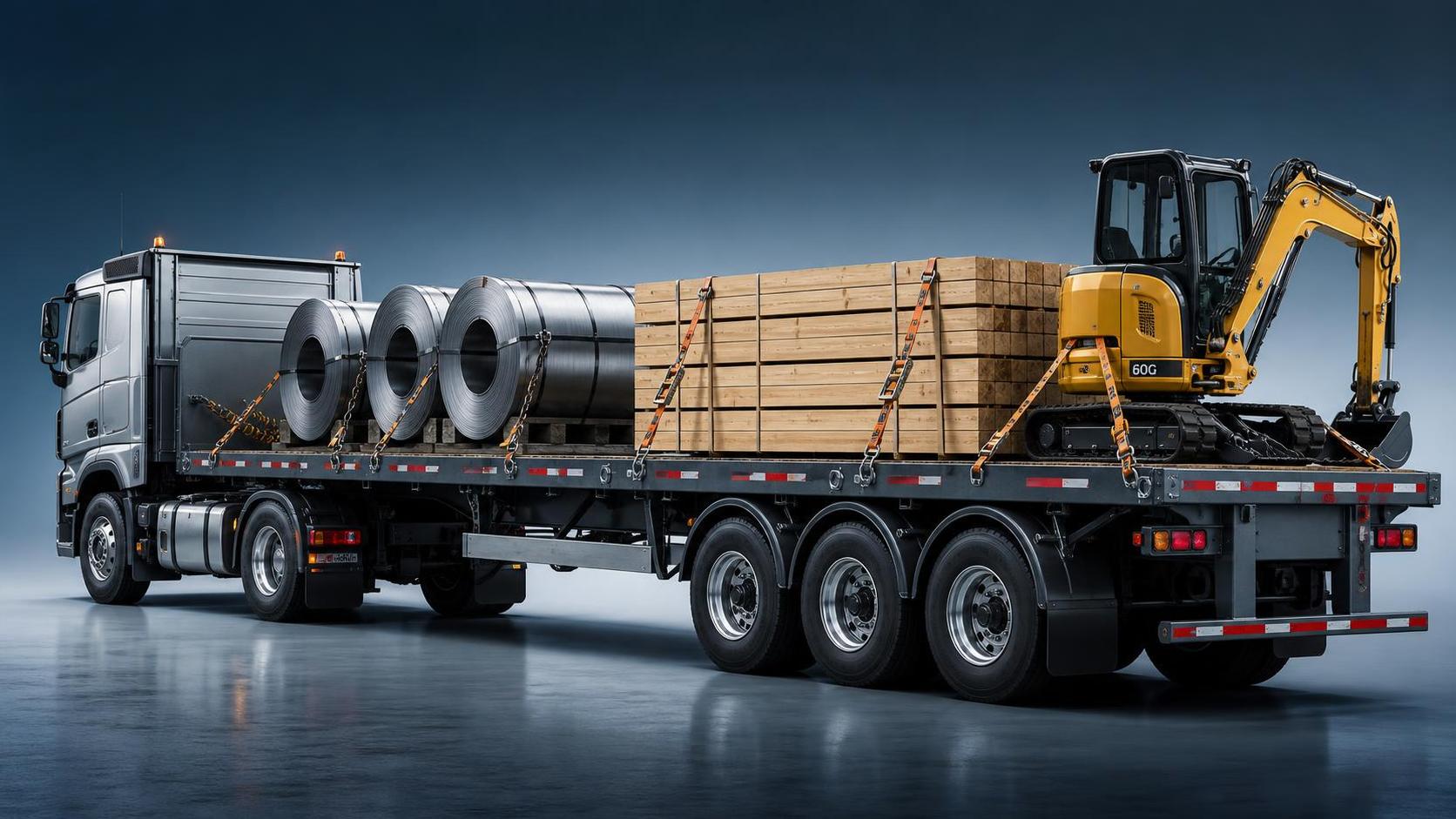
Choosing the right Flatbed Semi-Trailer is less about finding a universal model and more about matching trailer structure to cargo type, route conditions, loading method, and project risk. For project managers moving steel, timber, and machinery, the wrong specification can create overloading issues, cargo instability, loading delays, and unnecessary operating cost. The right choice improves delivery reliability, protects cargo, and supports tighter project cost control.
This guide explains how to evaluate a flatbed trailer from a practical engineering transport perspective. Instead of focusing only on brochure specifications, it covers payload fit, deck design, axle setup, material strength, safety details, and lifecycle value so you can make a more confident purchasing decision.
What Is the Real Buying Question Behind a Flatbed Semi-Trailer?
Most buyers do not actually ask, “Which trailer is best?” They ask a more operational question: “Which trailer can move my specific loads safely, efficiently, and repeatedly without causing delays or extra cost?” That is the right starting point.
For engineering projects, cargo is rarely uniform. Steel coils, rebar bundles, timber packs, fabricated structures, excavator attachments, and compact machinery all create different load pressures, tie-down challenges, and deck space requirements. A trailer that works well for timber may not be ideal for concentrated machinery loads.
That is why project managers should first define the transport profile before comparing brands or prices. The main variables are load weight, load dimensions, center of gravity, loading frequency, road quality, loading equipment, and local axle regulations. Once these are clear, trailer selection becomes much more rational.
Start with Cargo Type, Not Trailer Price
The most common mistake in trailer procurement is comparing quotations too early. A low purchase price can quickly lose value if the trailer limits loading flexibility, wears faster under heavy duty use, or creates recurring safety problems on site.
Steel loads usually require strong deck support, reliable lashing points, and good resistance to concentrated weight. Steel products such as plates, pipes, beams, and coils can produce high point loads, and they also demand secure anti-slip positioning during braking and cornering.
Timber loads create a different requirement. They often need longer deck usability, organized side restraint options, and fast loading access for cranes or forklifts. Timber can also shift if the bundles are uneven or if the road surface is rough, so stake pockets and tie-down distribution matter more than many buyers expect.
Machinery loads are often the most demanding. Even when total weight is acceptable, machine components can create uneven pressure zones. Equipment with wheels or tracks needs deck strength in specific contact areas, and loading may require reinforced rear sections, ramps, or better suspension stability.
In practical terms, cargo profile should determine your deck length, load rating, axle arrangement, and structural reinforcement level before commercial negotiation begins.
How to Match Trailer Capacity to Real Project Loads
Payload rating should never be treated as a simple catalog number. Project managers need to compare legal payload, structural payload, and actual operating payload under real route conditions. These are related, but they are not the same thing.
A trailer may be structurally strong enough for a certain weight, but local transport regulations may reduce the permitted gross combination mass. In other cases, poor roads, repeated site entry, or off-pavement movement can make a theoretically suitable configuration perform poorly in daily use.
When evaluating capacity, ask for the trailer’s tare weight, axle load design, frame beam specification, suspension type, and recommended cargo distribution. A lighter trailer may improve payload efficiency, but not if it compromises long-term structural durability.
For steel and machinery transport, it is wise to leave a safety margin instead of selecting a trailer that only just meets maximum expected weight. That margin supports longer service life and reduces the chance of fatigue cracks, tire overload, and unstable handling.
A good purchasing decision is based on your most common loads, not only your biggest occasional load. If special oversized loads are rare, it may be more efficient to manage them separately instead of overspending on every-day trailer capacity.
Why Deck Design Matters More Than Many Buyers Expect
Deck design directly affects loading efficiency, cargo stability, and damage risk. For a Flatbed Semi-Trailer, the useful deck is not just a platform. It is the working surface that determines how quickly and safely cargo can be handled across different project scenarios.
Consider deck length first. Longer decks provide flexibility for timber, pipes, and fabricated structures, but excess length can reduce maneuverability on restricted roads and project sites. Choose a length that matches your usual cargo dimensions and turning environment.
Deck width also matters. Standard width may be enough for general cargo, but machinery components or wide steel assemblies may need additional planning for legal transport limits. Project managers should review the true usable deck width, not just the nominal external dimension.
Floor material is another practical issue. A high-quality steel deck offers durability and load support, while anti-slip surfaces or hardwood overlays may improve friction and reduce cargo movement for certain applications. The best option depends on whether your priority is abrasion resistance, grip, or easy replacement.
Look carefully at tie-down points, twist locks if needed, stake pockets, rope hooks, and side access space. These small details often determine whether loading teams can secure cargo quickly and consistently in the field.
Choosing the Right Axle Configuration and Suspension
Axle configuration influences payload distribution, legal compliance, maintenance cost, and road behavior. For many engineering transport applications, the choice often comes down to balancing capacity and durability against maneuverability and operating economics.
A two-axle trailer may suit lighter and more standardized operations, but three axles are more common for heavier steel, timber, and machinery loads. In demanding conditions, more axles can improve load distribution and regulatory compliance, though they may also increase maintenance points and tire cost.
Suspension choice is equally important. Mechanical suspension is valued for durability, simplicity, and cost control in rugged conditions. Air suspension can provide better ride quality and cargo protection, especially for sensitive equipment or higher-speed road transport, but it may involve higher system complexity.
Project managers should match suspension to the real operating environment. If the trailer frequently enters construction zones, quarry roads, or uneven loading yards, robust mechanical systems may deliver better long-term reliability. If road quality is better and cargo sensitivity is higher, air suspension may justify the investment.
It is also useful to confirm axle brand, brake configuration, spare parts availability, and service network coverage in your target market. Downtime from difficult parts sourcing can erase any savings from a lower initial purchase price.
Frame Strength, Steel Grade, and Structural Durability
For heavy engineering transport, the trailer frame is the core asset. Buyers should pay close attention to main beam design, cross-member layout, welding quality, and steel grade instead of relying only on overall dimensions or stated payload numbers.
High-strength steel can reduce tare weight while maintaining structural performance, but design quality matters as much as material grade. A well-engineered frame should handle repeated stress cycles, not just static load tests. This is especially important for machinery transport and rough road operation.
Ask how the trailer is reinforced in high-stress areas such as the gooseneck connection, suspension mounting points, landing gear zones, and rear loading section. These areas often experience the earliest fatigue issues if the design is weak or poorly matched to operating conditions.
Surface treatment also affects long-term value. Good blasting, coating, and paint processes improve corrosion resistance, especially in coastal, humid, or high-rainfall environments. For export buyers, corrosion performance is not a cosmetic issue. It directly affects service life and resale value.
When possible, request production details, inspection standards, and real factory quality control procedures. Serious manufacturers should be able to explain how consistency is maintained across welding, assembly, axle installation, and final inspection.
What Safety Features Actually Matter in Daily Operations?
Safety is often discussed in general terms, but project managers should focus on features that reduce routine transport risk. The best trailer is one that makes safe operation easier under time pressure, not one that only looks strong on paper.
Reliable lashing points are critical for steel, timber, and machinery. They should be placed logically along the deck and rated for real cargo restraint needs. Poor tie-down layout leads to insecure loading or wasted time while operators improvise securing methods.
Brake system quality, ABS compatibility, lighting visibility, reflective markings, and underride protection all contribute to road safety and regulatory compliance. These features become even more important when the trailer operates across long export routes or mixed road conditions.
Landing gear strength and ease of use also matter more than many buyers assume. Frequent loading, unloading, and tractor changes can place heavy stress on support components. Weak landing gear can create avoidable operational hazards and repair interruptions.
If machinery is part of the transport mix, loading support features such as reinforced rear structure, optional ramps, or anti-slip deck treatment may significantly reduce handling risk during equipment movement.
How to Evaluate Total Cost Instead of Just Purchase Price
For project decision-makers, trailer selection should be based on total operating value. The cheapest Flatbed Semi-Trailer is rarely the most economical if it causes higher tire wear, more structural repairs, loading inefficiency, or early replacement.
Useful cost factors include fuel impact from tare weight, maintenance frequency, tire life, brake wear, corrosion resistance, spare parts availability, and downtime risk. A trailer that costs more upfront but remains dependable in intensive operation may deliver much better lifecycle economics.
Also consider utilization rate. A more versatile flatbed trailer may carry steel one week, timber the next, and machinery components after that. This flexibility can improve fleet productivity and reduce the need for specialized backup equipment.
Resale value should not be ignored. Well-built trailers from established manufacturers with documented specifications and recognized axle and component brands are usually easier to remarket in secondary markets.
In export procurement, after-sales responsiveness is another cost factor. Delays in technical support, documentation, or spare parts can affect project schedules and customer commitments far more than a modest difference in purchase price.
Questions Project Managers Should Ask Before Ordering
Before placing an order, buyers should create a short technical checklist based on actual project needs. This keeps the evaluation focused and prevents sales discussions from drifting into non-essential features.
First, define the top three cargo types by frequency, not just by maximum size. Second, identify the roughest route conditions the trailer will regularly face. Third, confirm legal axle and dimensional requirements in the destination market.
Then ask the supplier for clear answers on beam specification, steel grade, axle brand, suspension type, deck configuration, lashing arrangement, corrosion protection, warranty terms, and spare parts support. A reliable supplier should provide practical and specific responses.
It is also worth asking whether the trailer can be customized for your loading method. For example, timber operators may need additional stake pockets, while machinery transport may require reinforced deck zones or ramp preparation.
Finally, review lead time, inspection process, shipping method, document support, and after-sales communication. For international buyers, procurement success depends on both product quality and export execution capability.
Why Supplier Capability Matters as Much as Trailer Specification
A sound trailer specification can still lead to poor results if the supplier lacks export experience, quality discipline, or after-sales coordination. This is especially relevant for project-based buyers who cannot afford delivery confusion or documentation errors.
Experienced commercial vehicle exporters add value by aligning product recommendation with cargo type, compliance requirements, and shipping realities. They can also support customization, factory coordination, inspection, customs documentation, and logistics planning.
For buyers sourcing from China, supplier stability matters. Access to authorized channels, available inventory, and professional technical communication can reduce risk significantly. This becomes even more important when projects run on fixed mobilization timelines.
Shandong Livol Truck International Trade Co., Ltd. supports global customers with commercial vehicle selection, customization, export documentation, customs coordination, logistics, and after-sales service. With authorized cooperation covering major Chinese commercial vehicle brands and strong domestic distribution resources, the company is positioned to support buyers who need both product reliability and organized export execution.
Conclusion: Choose for the Load, the Route, and the Project Reality
The right Flatbed Semi-Trailer is the one that fits your actual transport profile, not the one with the lowest quote or the broadest marketing claim. For steel, timber, and machinery loads, trailer choice should be based on cargo behavior, deck usability, structural strength, axle configuration, safety details, and lifecycle cost.
Project managers get the best results when they start with operational needs, compare technical details carefully, and work with a supplier that understands both vehicle performance and export delivery requirements. When the trailer matches the job, transport becomes safer, more efficient, and easier to control across the full project cycle.
If you are evaluating flatbed trailer options for engineering transport, a disciplined specification review now will save time, cost, and risk long after the trailer enters service.
Search Starts Here