
News
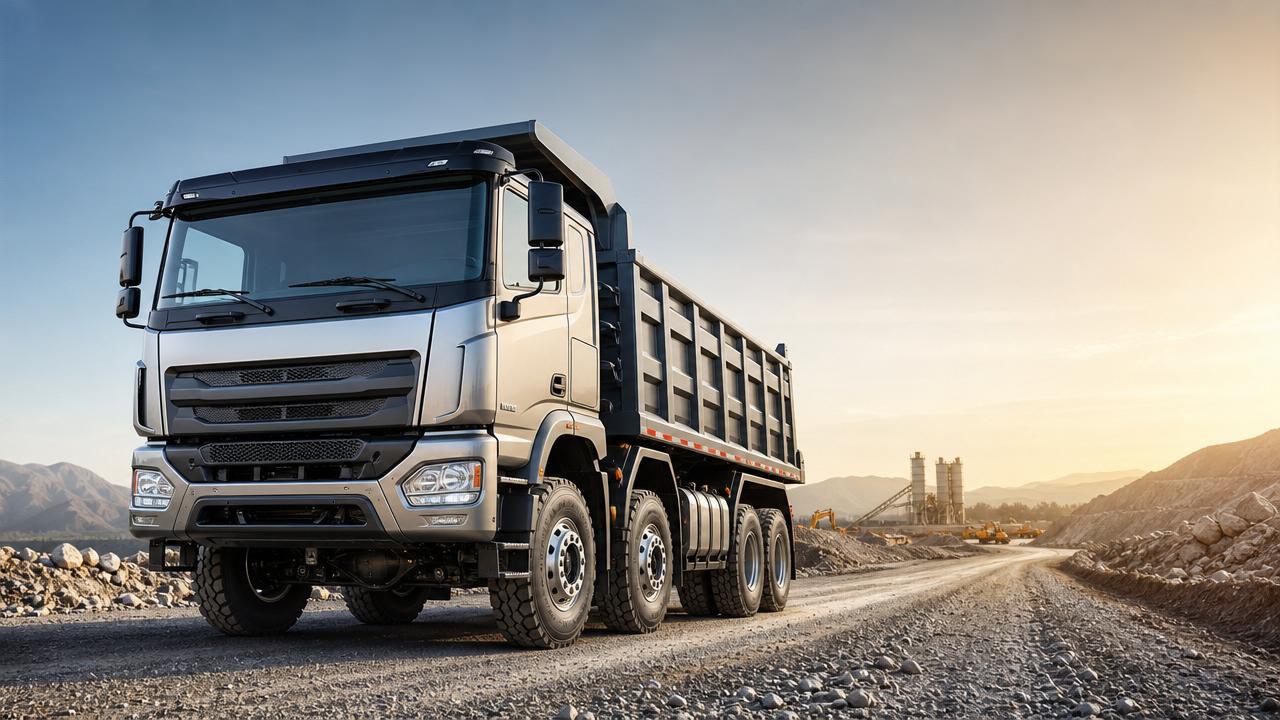
A reliable Cangshan Vehicle Configuration List is often the first step for buyers, fleet planners, and project teams comparing engineering vehicles for real-world working conditions. Before evaluating price or delivery time, it is important to understand key specifications such as engine power, load capacity, chassis structure, transmission, axle configuration, and application suitability. This guide explains what to check first so information researchers can make clearer comparisons, reduce selection risks, and prepare more accurate inquiries when working with professional commercial vehicle exporters.
For engineering vehicles, a configuration list is more than a brochure. It is a technical filter that connects jobsite conditions, vehicle durability, operating cost, and long-term service planning.
When reviewing a Cangshan Vehicle Configuration List, researchers should focus on verified specifications, practical working scenarios, and supplier capability before requesting a formal quotation.
Why the Configuration List Matters Before Price Comparison
Price is usually the most visible number, but it is not the first decision point. Two vehicles with similar prices may differ by 20%–40% in payload suitability, fuel efficiency, or maintenance frequency.
A Cangshan Vehicle Configuration List helps buyers compare the engineering vehicle as a complete working system. It shows whether the chassis, engine, axle, and body match the intended application.
Key Research Questions for Engineering Vehicle Buyers
Information researchers often support managers, contractors, or fleet owners. Their first task is not to choose a model immediately, but to reduce uncertainty across 5–8 technical dimensions.
- What is the rated load capacity, and does it match the daily material weight?
- Is the engine output suitable for slopes, heavy loads, and high-temperature operation?
- Does the axle configuration support local road conditions and site access limits?
- Are spare parts, documentation, and export services available within the required timeline?
These questions prevent early-stage mistakes. A truck selected only by price may need extra modification later, creating 2–6 weeks of delay and additional logistics cost.
Common Engineering Vehicle Applications
The same Cangshan Vehicle Configuration List may be interpreted differently depending on usage. A quarry truck, mixer truck, dump truck, and tractor head follow different selection logic.
For construction projects, buyers usually check payload, tipping system, frame reinforcement, and turning radius. For long-distance transport, fuel economy and cabin comfort may become higher priorities.
Practical Tip
Before collecting quotations, prepare a 1-page requirement sheet covering cargo type, road condition, daily mileage, working hours, climate, and preferred delivery window.
Core Specifications to Check First
The first review of a Cangshan Vehicle Configuration List should focus on the vehicle’s core hardware. These specifications determine whether the truck can work safely and economically.
For most engineering vehicle inquiries, the first 6 checkpoints are engine, transmission, axle, frame, body capacity, and braking system. Each affects performance under load.
The following table summarizes the main items researchers should verify before comparing brands, optional equipment, or export service terms.
The table shows why a Cangshan Vehicle Configuration List should be read as an integrated technical document. Strong engine power alone cannot compensate for an unsuitable axle or weak frame.
Engine and Powertrain Matching
For dump trucks and heavy cargo vehicles, engine torque is often as important as horsepower. Low-speed torque helps when starting on slopes or moving through soft ground.
Researchers should compare rated power, emission standard, fuel type, cooling system, and torque curve. In hot regions, cooling margin and air filtration require special attention.
Chassis, Axles, and Braking System
A heavy-duty chassis should match the vehicle’s working cycle. A 6x4 layout may suit many construction routes, while 8x4 can offer higher legal payload in some markets.
Braking systems should be checked for air brake layout, auxiliary braking, ABS availability, and compatibility with local safety requirements. This is critical for mountain roads and wet sites.
Load Margin Recommendation
For frequent heavy-duty operation, leaving a 10%–15% load margin helps reduce overload risk, tire damage, and unplanned maintenance after 6–12 months of service.
Match the Vehicle to Real Working Conditions
A Cangshan Vehicle Configuration List becomes valuable only when it is matched with actual jobsite data. Terrain, climate, distance, and cargo density change the correct configuration.
Researchers should avoid assuming that one engineering vehicle fits every market. A truck used for 20 km quarry hauling faces different stress than one used for 300 km regional transport.
Road and Site Conditions
On unpaved roads, traction, ground clearance, tire pattern, and suspension strength are priority items. On paved roads, fuel efficiency and speed stability may be more important.
For steep roads above 8% gradient, powertrain matching and braking capacity deserve close review. For muddy sites, axle load distribution and differential lock options should be checked.
Cargo Type and Body Design
Cargo density directly affects body selection. Sand, gravel, ore, concrete, and construction waste require different body thickness, tipping angle, and hydraulic system strength.
- Identify the average material density and maximum single-trip weight.
- Check whether the body volume matches legal and practical payload limits.
- Confirm whether hydraulic cylinders, hinges, and subframe suit the unloading cycle.
- Review corrosion protection if the vehicle carries wet soil, chemicals, or coastal materials.
These 4 steps make the Cangshan Vehicle Configuration List easier to translate into actual procurement requirements, especially for mixed fleets or multi-site projects.
Climate and Operating Hours
Vehicles operating 8–12 hours per day need stronger attention to cooling, lubrication, air filtration, and driver comfort. Dusty or hot environments shorten service intervals.
In cold areas, battery capacity, starting performance, fuel system protection, and cabin heating become practical factors. These details should be clarified before order confirmation.
How to Compare Suppliers and Export Support
For international buyers, the supplier behind the vehicle can be as important as the specification itself. Documentation, customs clearance, and logistics affect delivery reliability.
Shandong Livol Truck International Trade Co., Ltd., based in Shandong, China, supports buyers with vehicle selection, customization, documentation, customs clearance, logistics, and after-sales coordination.
As an official authorized domestic and overseas dealer for FOTON, SHACMAN, and SINOTRUK, the company maintains broad 4S store resources and sufficient inventory for stable supply.
When reviewing a Cangshan Vehicle Configuration List with an exporter, researchers should check not only hardware, but also the export workflow and risk-control steps.
This process view helps researchers evaluate supplier readiness. A clear Cangshan Vehicle Configuration List should be supported by clear export steps, not isolated from delivery execution.
Why Authorized Brand Resources Matter
Authorized dealership channels can improve inventory visibility, specification confirmation, and parts coordination. They also help buyers compare FOTON, SHACMAN, and SINOTRUK options more efficiently.
For projects requiring 5, 10, or more units, stable inventory and professional export handling reduce the risk of inconsistent specifications across the same batch.
Inquiry Preparation Checklist
- Share intended application, road condition, and average daily mileage.
- Provide preferred axle layout, emission requirement, and loading target.
- Ask for configuration confirmation, estimated delivery time, and shipping options.
- Request maintenance suggestions and recommended spare parts for the first service cycle.
Common Mistakes When Reading a Configuration List
Even experienced buyers can misread a Cangshan Vehicle Configuration List if they focus on single numbers instead of system compatibility. This is common during early research.
The most frequent mistakes involve comparing horsepower alone, ignoring axle load, overlooking body material, and failing to confirm export documents before shipment planning.
Mistake 1: Treating Payload as the Only Capacity Indicator
Payload is essential, but it must be reviewed with gross vehicle weight, body volume, tire rating, and local road regulations. Overloading by 10% repeatedly can shorten component life.
Mistake 2: Ignoring Maintenance Access
A vehicle may look suitable on paper but become costly if filters, service points, or commonly replaced parts are difficult to access in local workshops.
Researchers should ask about recommended service intervals, spare part availability, and routine maintenance items. For heavy-duty use, inspection every 5,000–10,000 km is common.
Mistake 3: Overlooking Compliance and Documentation
Export vehicles may require specific documents for customs, registration, or local approval. Missing paperwork can delay clearance by several days or longer, depending on destination procedures.
- Confirm commercial invoice and packing information.
- Check bill of lading details before shipment release.
- Verify engine number, chassis number, and model description.
- Clarify destination registration or inspection requirements in advance.
A practical Cangshan Vehicle Configuration List should therefore be connected with an export document checklist. Technical accuracy and document accuracy must move together.
Building a Smarter Inquiry From the Configuration List
Once the first technical review is complete, researchers can convert the Cangshan Vehicle Configuration List into a supplier inquiry. This creates a more accurate quotation basis.
A strong inquiry usually includes 3 layers: required configuration, operating scenario, and export expectation. This reduces back-and-forth communication and improves comparison quality.
A 5-Step Research-to-Inquiry Workflow
- Define the vehicle task, including material type, route length, and daily operating hours.
- Screen the configuration list for engine, axle, frame, body, and braking suitability.
- Compare 2–3 suitable brand options instead of collecting too many unrelated quotes.
- Confirm export terms, documents, expected delivery cycle, and logistics route.
- Request final configuration confirmation before payment or production arrangement.
This workflow is especially useful for project teams buying multiple engineering vehicles. It helps align technical staff, procurement teams, and financial decision-makers.
What to Send to the Exporter
When contacting Shandong Livol Truck International Trade Co., Ltd., buyers can share their target configuration, destination country, quantity, timeline, and any required customization.
The export team can then support vehicle selection, brand comparison, documentation preparation, customs clearance coordination, and logistics planning based on practical requirements.
Final Checks Before Making a Decision
Before moving from research to purchase, review the Cangshan Vehicle Configuration List one final time against application, compliance, delivery, and after-sales expectations.
The best decision is usually not the cheapest model, but the engineering vehicle with the right 6–10 specifications, stable supply, and practical service support.
Decision Points to Confirm
- The vehicle configuration matches load, road, climate, and working-hour requirements.
- The selected brand and chassis arrangement fit local maintenance capability.
- Export documents, shipping plan, and delivery expectations are clearly confirmed.
- Initial spare parts and after-sales communication channels are arranged before arrival.
A well-reviewed Cangshan Vehicle Configuration List helps researchers move from scattered information to a clear procurement plan. It reduces technical risk and supports faster negotiation.
Shandong Livol Truck International Trade Co., Ltd. provides reliable commercial vehicle export solutions through authorized FOTON, SHACMAN, and SINOTRUK resources, inventory support, and professional export service.
If you are comparing engineering vehicles for a project, fleet upgrade, or market research task, contact us to get a customized configuration recommendation and consult product details.
Search Starts Here