
News
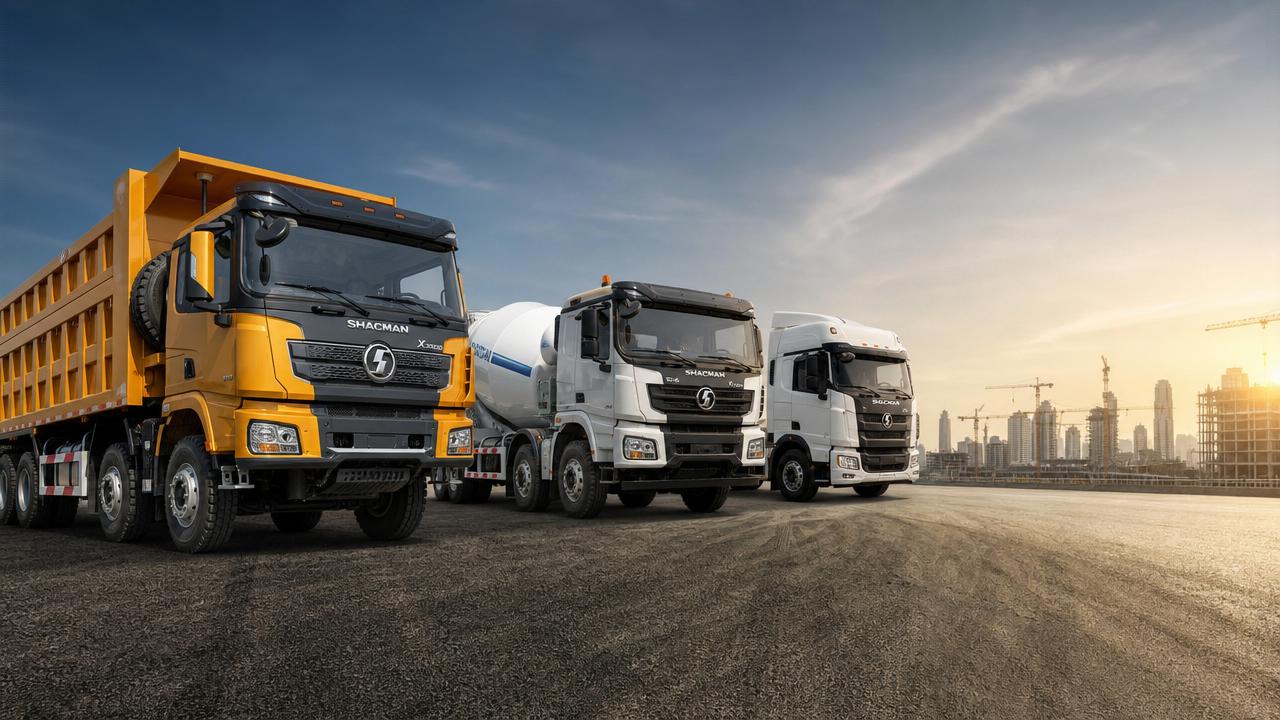
A clear Cangshan Vehicle Configuration List helps compare engineering vehicles beyond appearance, price, or brand familiarity.
It brings payload, powertrain, axle layout, safety equipment, and operating value into one practical decision framework.
For international projects, this comparison matters even more because terrain, duty cycle, delivery time, and service support can differ greatly.
Shandong Livol Truck International Trade Co., Ltd. supports this process through authorized FOTON, SHACMAN, and SINOTRUK vehicle resources.
Why the Cangshan Vehicle Configuration List Matters in Engineering Vehicle Selection
Engineering vehicles are usually selected for a job, not for a simple transport task.
A truck working in quarry transport faces different stress from one serving municipal construction or long-distance material delivery.
That is why a Cangshan Vehicle Configuration List should be read as a working reference, not just a specification sheet.
It helps connect technical data with real operating needs, including load frequency, road conditions, climate, and maintenance expectations.
In global trade, this structured comparison also reduces misunderstanding between quotation, production configuration, and delivered vehicle condition.
A reliable Cangshan Vehicle Configuration List makes discussions clearer when different brands, trims, and optional equipment are involved.
Understanding What a Configuration List Usually Includes
A configuration list is more than a collection of numbers.
It describes how the vehicle is built, how it performs, and how suitable it is for a specific engineering scenario.
A complete Cangshan Vehicle Configuration List normally covers chassis, engine, transmission, suspension, cab, braking system, tires, and body options.
For dump trucks, mixer trucks, tractors, and cargo platforms, the same parameter may carry different practical meaning.
For example, horsepower is important, but torque curve and axle ratio often decide low-speed climbing ability.
Likewise, rated payload should be checked together with frame strength, suspension type, tire specification, and local regulatory limits.
Key Specs That Deserve Closer Comparison
The Cangshan Vehicle Configuration List becomes most useful when each specification is compared against expected operating conditions.
A higher figure is not always the better choice.
The right configuration should balance performance, durability, fuel economy, maintenance access, and available spare parts.
Powertrain and emission standard
Engine selection is often the starting point in engineering vehicle comparison.
A Cangshan Vehicle Configuration List should identify engine brand, displacement, rated power, peak torque, and emission level.
Emission standards should match destination market requirements before shipment planning begins.
This avoids customs delays, registration problems, or expensive retrofitting after arrival.
Payload and body matching
Payload is not only about nominal capacity.
It also depends on body volume, material density, loading method, and operating route.
For dump applications, body thickness, hydraulic system quality, and rear door design should be reviewed carefully.
For mixer or special-purpose vehicles, chassis compatibility becomes a central issue.
Axle layout and road conditions
A 4x2, 6x4, 8x4, or all-wheel-drive configuration changes the vehicle’s working range.
The Cangshan Vehicle Configuration List should show axle load, differential type, and suspension system clearly.
Construction sites with soft ground, steep gradients, or unpaved roads may require stronger traction and reinforced suspension.
How Industry Buyers Use Configuration Data in Real Projects
Configuration data becomes valuable when it supports practical decisions.
A Cangshan Vehicle Configuration List can help compare different brands on the same technical basis.
It also helps separate essential requirements from optional features that may not influence project performance.
For mining support, the focus may be frame strength, cooling performance, and braking reliability.
For urban construction, turning radius, cabin comfort, emission level, and safety visibility may receive more attention.
For long-distance transport, fuel efficiency, gearbox matching, tire life, and driver ergonomics become more influential.
- Match vehicle configuration with terrain, not only with load weight.
- Confirm emission and registration requirements before selecting engines.
- Review body design together with chassis capacity.
- Check service support, spare parts, and maintenance intervals.
- Compare delivery schedules when project timelines are fixed.
These checks make the Cangshan Vehicle Configuration List a practical tool for reducing selection risk.
Brand Resources and Export Support Behind the Comparison
A configuration list is only reliable when the vehicle source and export process are also reliable.
Shandong Livol Truck International Trade Co., Ltd. is based in Shandong, China, with strong commercial vehicle export experience.
The company is an authorized domestic and overseas dealer for FOTON, SHACMAN, and SINOTRUK.
This brand access makes it easier to compare configurations using official model information and stable supply channels.
Large authorized 4S store resources and sufficient inventory also help shorten response and delivery cycles.
When reviewing a Cangshan Vehicle Configuration List, availability can be as important as specification accuracy.
A theoretically ideal configuration may not be suitable if production lead time conflicts with project deployment.
Full-process export service also affects final value.
Vehicle selection, customization, documentation, customs clearance, and logistics must align with the chosen technical configuration.
Common Mistakes When Reading a Cangshan Vehicle Configuration List
One common mistake is comparing only horsepower and price.
This approach may overlook gearbox matching, braking capacity, tire specification, and structural durability.
Another mistake is ignoring local operating constraints.
Bridge limits, road width, fuel quality, emission rules, and driver habits can all change the best configuration.
A Cangshan Vehicle Configuration List should also be checked for optional items.
Some features may be standard in one market but optional in another.
Cabin air conditioning, spare tire, power take-off, hydraulic components, or reinforced bumpers should be confirmed before quotation approval.
Turning Specifications into a Practical Evaluation Standard
A useful evaluation standard starts with the job profile.
Define daily mileage, average load, maximum gradient, road surface, working hours, and planned maintenance conditions.
Then compare the Cangshan Vehicle Configuration List against those real requirements.
This method prevents over-specification, which increases purchase cost and may reduce fuel economy.
It also prevents under-specification, which can lead to downtime, safety issues, and shorter service life.
Total operating cost should be reviewed together with initial price.
Fuel consumption, tire wear, parts access, repair time, and resale value all influence the final economic result.
This is especially important for fleets that operate under tight project schedules.
What to Confirm Before Final Selection
Before confirming a vehicle, the configuration list should be reviewed alongside commercial and delivery details.
A well-prepared Cangshan Vehicle Configuration List supports clearer communication across technical, financial, and logistics decisions.
Key confirmation points include model year, production status, VIN information, certification documents, and shipping method.
Customization requests should be written clearly, especially for body structure, painting, tires, PTO, and safety accessories.
After-sales arrangements should also be considered before dispatch.
Parts supply, technical guidance, and maintenance planning can determine whether the vehicle performs consistently after delivery.
Shandong Livol Truck International Trade Co., Ltd. combines authorized brand channels with export operation experience.
This helps turn a Cangshan Vehicle Configuration List into a workable selection, customization, and shipment plan.
Building the Next Step Around Real Operating Needs
The best vehicle choice starts from the site, the load, and the expected duty cycle.
A Cangshan Vehicle Configuration List gives structure to that decision by making key specs visible and comparable.
It should be used together with project requirements, compliance checks, supply availability, and long-term service planning.
For a more reliable comparison, prepare route conditions, payload details, delivery timeline, and preferred brand options in advance.
From there, different FOTON, SHACMAN, and SINOTRUK configurations can be evaluated with greater accuracy.
A thoughtful Cangshan Vehicle Configuration List does not simply identify a vehicle.
It helps build a practical standard for choosing equipment that fits the work, budget, and delivery plan.
Search Starts Here