
News
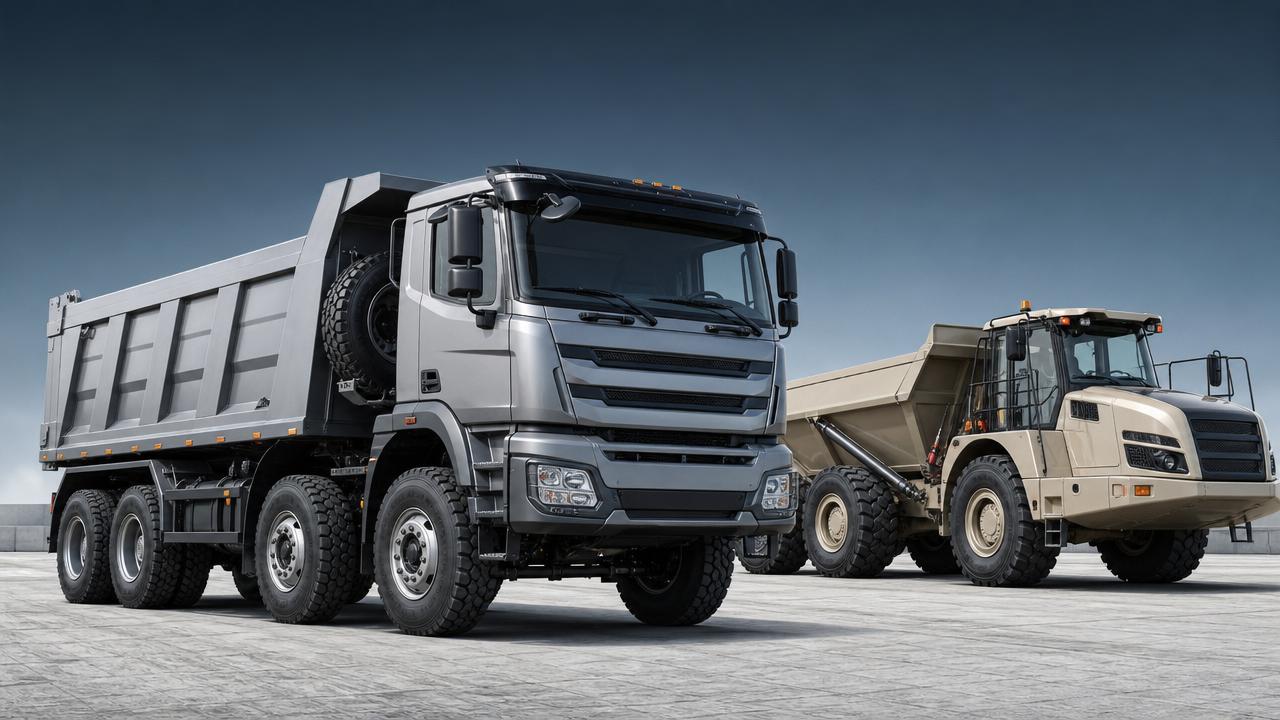
For technical evaluators comparing engineering vehicles, the Cangshan Vehicle Configuration List offers a practical starting point for structured specification review.
It helps clarify power, chassis strength, loading ability, driveline layout, and service factors before equipment enters demanding construction environments.
When used correctly, the Cangshan Vehicle Configuration List reduces selection errors, improves cost visibility, and supports safer fleet deployment across varied project conditions.
Understanding the Cangshan Vehicle Configuration List
The Cangshan Vehicle Configuration List is a technical comparison reference for engineering vehicle assessment.
It usually includes dimensions, engine ratings, axle data, tire specifications, transmission options, loading limits, and optional equipment.
In engineering vehicle procurement, configuration details matter more than brochure descriptions or appearance.
A complete Cangshan Vehicle Configuration List should explain not only nominal specifications, but also operating suitability under actual site demands.
For example, two vehicles may share similar horsepower figures, yet differ greatly in torque output, frame thickness, or suspension durability.
That difference can affect gradeability, cycle time, body stability, and long-term repair frequency.
Core sections commonly reviewed
- Powertrain: engine model, displacement, horsepower, torque, emission level
- Transmission: manual or AMT, gear ratios, retarder compatibility
- Chassis: frame dimensions, axle capacity, suspension type
- Mobility: wheelbase, ground clearance, turning radius, drive form
- Payload system: GVW, curb weight, body volume, lifting configuration
- Support items: fuel tank, cab safety, service access, spare parts availability
Current Industry Focus in Engineering Vehicle Selection
Engineering vehicle selection has shifted from simple price comparison to lifecycle performance evaluation.
Projects now demand higher uptime, stronger compliance, and more accurate matching between machine capability and site condition.
This makes the Cangshan Vehicle Configuration List increasingly valuable during early technical screening.
The practical value of the Cangshan Vehicle Configuration List appears when these focus areas are compared line by line.
It becomes easier to identify whether a vehicle is optimized for mine haulage, urban infrastructure, mixed-road transport, or concrete support work.
Key Specifications to Compare in the Cangshan Vehicle Configuration List
Not every specification carries equal weight.
The Cangshan Vehicle Configuration List should be interpreted through the lens of duty cycle, terrain, hauling distance, and loading pattern.
1. Engine and torque behavior
Horsepower alone does not define field performance.
Low-speed torque, torque plateau range, and engine cooling capacity are often more relevant for engineering vehicles.
2. Axle load rating and drive configuration
Common layouts include 4x2, 6x4, 8x4, and all-wheel variants.
The correct arrangement depends on payload, road condition, and required traction.
3. Frame and suspension structure
Engineering vehicles experience repeated shock loads.
Frame section size, reinforcement design, and leaf spring strength directly affect structural reliability.
4. Transmission matching
A well-matched transmission improves climbing performance, fuel use, and driver control.
Review ratio spread, crawler gear availability, and compatibility with auxiliary braking systems.
5. Body and loading system
Dump body volume, steel grade, hydraulic arrangement, and unloading angle all affect cycle efficiency.
In some cases, a smaller but stronger body performs better than a larger but weaker structure.
6. Braking and safety equipment
Brake response under full load is critical on slopes and wet surfaces.
The Cangshan Vehicle Configuration List should note ABS, exhaust brake, retarder options, and parking brake reliability.
Business Value of a Structured Configuration Comparison
A structured review process creates measurable business value beyond technical clarity.
The Cangshan Vehicle Configuration List helps avoid under-specification and over-specification at the same time.
Under-specification may cause overload, early wear, and repeated maintenance interruptions.
Over-specification may raise purchase cost, fuel consumption, and spare parts expense without practical benefit.
A balanced choice depends on comparing real operating demands against actual configuration data.
This is especially important in export transactions, where documentation accuracy and specification transparency support smoother customs and fleet planning.
Shandong Livol Truck International Trade Co., Ltd. supports this process through authorized brand access, stable inventory, and full-process export coordination.
As an official dealer for FOTON, SHACMAN, and SINOTRUK, the company provides reliable configuration confirmation and practical vehicle matching support.
Typical Engineering Vehicle Scenarios and Configuration Priorities
The best reading of the Cangshan Vehicle Configuration List always starts with application context.
This scenario-based approach prevents generic comparison and sharpens procurement judgment.
Practical Review Tips and Common Mistakes
Reviewing a Cangshan Vehicle Configuration List requires more than checking the highest numbers.
- Verify whether payload figures reflect legal operating conditions, not just theoretical maximums.
- Check if engine output is matched with axle ratio and tire size.
- Confirm frame reinforcement for rough-ground or overloaded cycle risk.
- Review spare parts channels and service response before final selection.
- Compare standard configuration with optional packages to avoid hidden cost gaps.
- Assess whether the listed specification matches destination market rules and documentation requirements.
A common mistake is selecting by engine power only.
Another mistake is ignoring service infrastructure, even when the initial configuration looks competitive.
For export-oriented engineering vehicle projects, stable supply and after-sales continuity are part of the configuration decision.
Next-Step Evaluation Framework
The most effective use of the Cangshan Vehicle Configuration List is a three-step evaluation process.
- Step one: define operating terrain, average load, hauling distance, and compliance requirements.
- Step two: compare shortlisted configurations across powertrain, chassis, payload, and maintenance support.
- Step three: confirm supply reliability, customization scope, export documents, and delivery timing.
This method turns a technical sheet into a practical procurement tool.
When supported by an experienced exporter, configuration review becomes faster, clearer, and easier to align with project realities.
Shandong Livol Truck International Trade Co., Ltd. can assist with vehicle selection, customization, documentation, customs clearance, and logistics coordination.
For engineering vehicle comparison, a detailed Cangshan Vehicle Configuration List is not only useful reference data, but a foundation for better operational outcomes.
Search Starts Here