
News
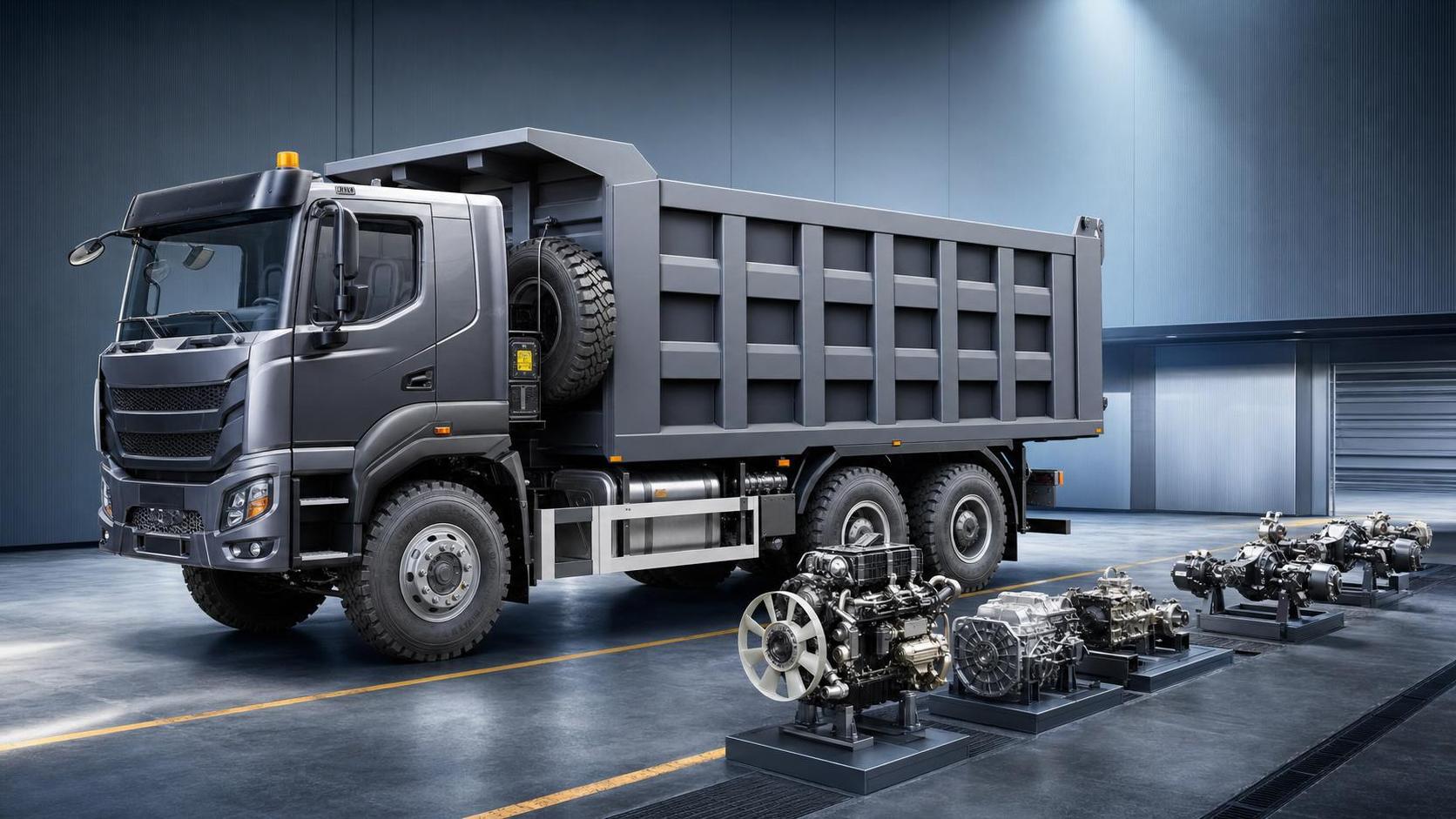
Cangshan Vehicle Configuration List: Key Specs to Check Before Ordering
Before placing an order, reviewing the Cangshan Vehicle Configuration List is essential for clear and confident procurement decisions.
A strong configuration review helps you compare payload, performance, compliance, and long-term operating cost without missing critical details.
In real purchasing work, the wrong configuration often causes more trouble than the wrong price.
That is why the Cangshan Vehicle Configuration List should be treated as a decision tool, not just a specification sheet.
Why the Cangshan Vehicle Configuration List Matters
Commercial vehicle procurement is rarely about one single number.
A lower purchase price may hide higher fuel use, weak chassis matching, or limited compliance for the destination market.
The Cangshan Vehicle Configuration List gives you a structured way to compare what the vehicle can actually deliver.
More importantly, it helps align the vehicle with route conditions, cargo type, loading frequency, and service expectations.
From a cost-control angle, this also means fewer surprises after delivery and faster return on investment.
Start with Vehicle Application and Duty Cycle
Before checking technical details, define how the vehicle will be used.
The same Cangshan Vehicle Configuration List can lead to different choices in mining, construction, logistics, or municipal operations.
Look at average trip distance, road surface, overload risk, climate, and expected annual mileage.
A vehicle working on paved urban roads needs a different setup than one moving aggregates on rough job sites.
- Short-haul urban duty favors efficiency, maneuverability, and easier maintenance.
- Heavy off-road duty requires stronger suspension, frame strength, and traction support.
- Cross-border or export use demands extra attention to emissions and local compliance.
Check Engine and Powertrain Matching
Engine data is one of the most watched parts of any Cangshan Vehicle Configuration List.
Still, peak horsepower alone does not tell the full story.
You should review torque output, torque range, emission standard, fuel type, and engine brand support.
In heavy engineering transport, stable low-speed torque often matters more than headline power.
Then check gearbox matching.
Poor matching between engine, transmission, and rear axle ratio can hurt climbing ability and fuel economy.
- Confirm engine displacement and rated output.
- Review manual or automated transmission options.
- Check rear axle ratio against load and road conditions.
- Ask whether the powertrain supports local fuel quality.
A useful purchasing question is simple: does this configuration save fuel under your actual working pattern, not in theory?
Review Payload, GVW, and Chassis Strength
The Cangshan Vehicle Configuration List should clearly show payload-related data.
Focus on GVW, curb weight, axle load distribution, frame dimensions, and suspension structure.
These numbers affect both legal loading and real operating durability.
In practice, buyers often compare body capacity but forget the strength behind it.
That can lead to frame fatigue, tire wear, and unstable handling.
- Match rated payload with your normal cargo density.
- Check whether axle capacity leaves safe margin.
- Confirm chassis material and reinforcement design.
- Review suspension type for both comfort and durability.
If the operation includes rough roads or repetitive loading, chassis strength should rank near the top of your decision list.
Do Not Ignore Brake, Tire, and Safety Configuration
A complete Cangshan Vehicle Configuration List should never be reviewed without the safety section.
Brake system type, ABS, retarder options, tire specification, and steering setup all affect risk control.
This becomes even more important in mountainous areas, wet climates, and high-frequency logistics work.
The safer configuration is not always the most expensive one.
It is the one that fits operating intensity and driver behavior.
- Verify service brake and parking brake details.
- Check tire brand, size, ply rating, and replacement availability.
- Ask whether safety systems meet local regulations.
- Review cabin visibility and driver assistance features.
Evaluate Dimensions, Body Layout, and Customization Space
Dimensions on the Cangshan Vehicle Configuration List affect route access, loading efficiency, and shipping planning.
Pay attention to wheelbase, overall length, body dimensions, turning radius, and cargo box structure.
A longer wheelbase may improve load distribution but reduce maneuverability on tight sites.
This is where customization matters.
In actual procurement, standard configurations often need adaptation for market rules or work habits.
That may include side boards, tank volume, dump body thickness, cabin layout, or PTO-related options.
A reliable supplier should explain what can be customized without affecting certification or delivery stability.
Compliance and Market Access Need Early Review
One of the most expensive mistakes is ordering a vehicle that cannot clear registration or import review.
So the Cangshan Vehicle Configuration List should be checked alongside destination-country requirements.
Focus on emission standards, homologation documents, lighting rules, safety labels, and axle or dimension limits.
From recent market changes, compliance review is becoming stricter, not easier.
That also means early document confirmation can save weeks of delay and unexpected conversion cost.
Compare Total Cost, Not Just Unit Price
A useful Cangshan Vehicle Configuration List supports cost analysis beyond the quoted vehicle price.
You should estimate fuel use, maintenance intervals, spare parts availability, tire life, and downtime risk.
Even small configuration differences can change lifecycle cost in a major way.
For example, an axle ratio chosen only for speed may increase fuel cost under heavy load.
Likewise, an uncommon tire size may reduce purchase price but raise replacement cost later.
- Calculate estimated cost per kilometer.
- Review wear parts and service intervals.
- Check local spare parts supply strength.
- Include delivery lead time in cost planning.
Supplier Capability Is Part of the Configuration Decision
The Cangshan Vehicle Configuration List is only as useful as the supplier behind it.
A professional exporter should help verify specification accuracy, customization feasibility, and export documentation.
This matters when configurations involve multiple brands, options, or destination-specific adjustments.
Shandong Livol Truck International Trade Co., Ltd. brings value here through authorized dealer resources, stable inventory, and export coordination experience.
As an official authorized domestic and overseas dealer for FOTON, SHACMAN, and SINOTRUK, the company supports customers with model selection, customization, documentation, customs clearance, logistics, and after-sales response.
In business terms, that reduces specification mismatch risk and improves ordering efficiency.
A Practical Checklist Before You Confirm the Order
Before approval, use the Cangshan Vehicle Configuration List as a final validation sheet.
- Confirm the working scenario and average payload.
- Verify engine, gearbox, and axle matching.
- Review chassis, suspension, and brake details.
- Check dimensions, body layout, and customization points.
- Validate local compliance and import documents.
- Estimate lifecycle cost, not just purchase cost.
- Confirm supplier support, inventory, and lead time.
This process keeps the procurement decision grounded in operating reality.
It also helps internal teams compare suppliers with less guesswork and better control.
A well-reviewed Cangshan Vehicle Configuration List is not just paperwork.
It is the basis for a smarter order, lower operating risk, and stronger commercial value over time.
Search Starts Here