
News
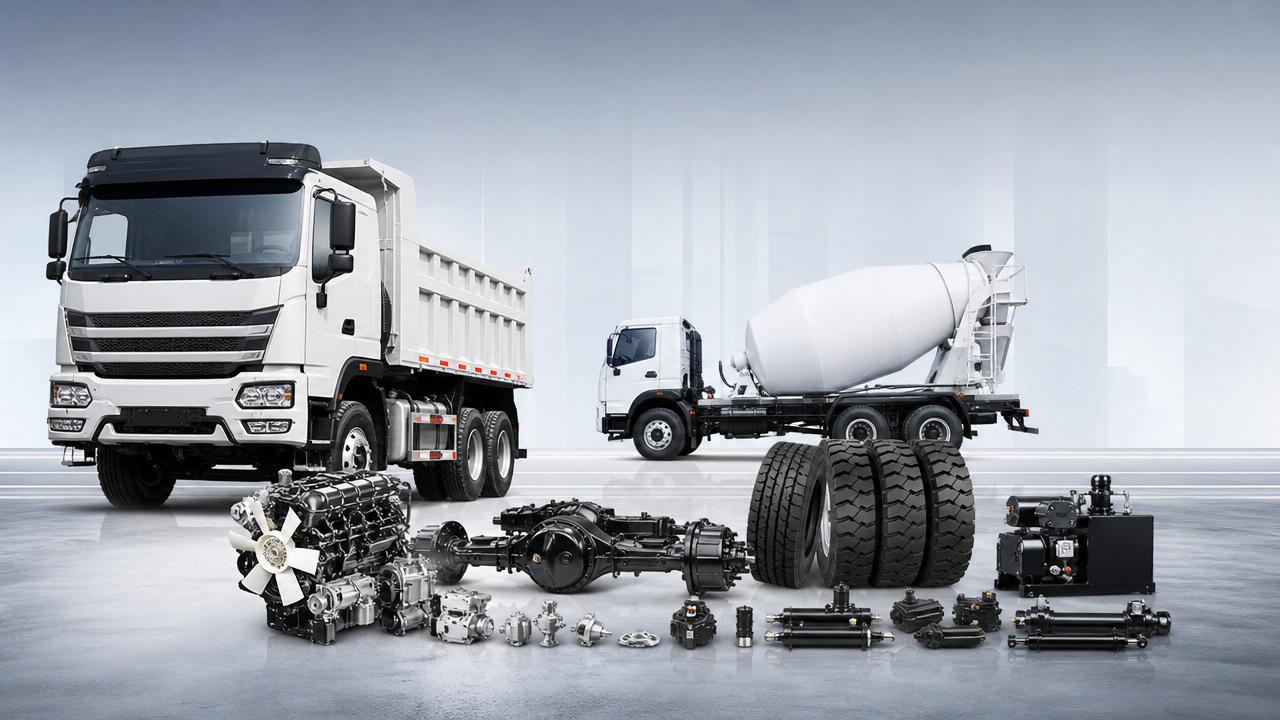
Understanding the Cangshan Vehicle Configuration List is essential for buyers and researchers comparing engineering vehicles for performance, reliability, and long-term value. This guide breaks down key specifications in a clear, practical way, helping you evaluate powertrains, load capacity, chassis options, safety features, and application suitability. Backed by professional export experience and access to major Chinese commercial vehicle brands, it offers a useful starting point for making informed procurement decisions.
For information researchers, a configuration list is more than a catalog. It is a structured reference for comparing engine output, gross vehicle weight, axle layout, hydraulic capability, transmission type, braking system, and export readiness. When interpreted correctly, it reduces selection errors before quotation, inspection, or shipment.
What the Cangshan Vehicle Configuration List Usually Covers
The Cangshan Vehicle Configuration List typically organizes key engineering vehicle specifications into readable categories. These may include powertrain, chassis, upper structure, safety equipment, cabin features, and optional export configurations for different operating environments.
In engineering vehicle procurement, small specification differences can create large performance gaps. A 6x4 dump truck, an 8x4 mixer chassis, and a 4x2 service truck may share brand platforms, yet their duty cycles and payload assumptions differ significantly.
Core Specification Groups
A practical reading of the Cangshan Vehicle Configuration List should begin with 5 groups: engine, gearbox, axle, frame, and body application. These determine whether the vehicle can handle heavy loading, rough roads, and frequent start-stop operation.
- Engine output: commonly reviewed through horsepower, torque range, emission level, and fuel type.
- Transmission: manual, automated manual, or special gearing for construction sites.
- Axle layout: 4x2, 6x4, 8x4, or other drive formats depending on terrain and payload.
- Chassis strength: frame thickness, suspension type, and wheelbase selection.
- Application body: dump body, concrete mixer, tractor, cargo body, crane-mounted body, or special-purpose unit.
Why Configuration Clarity Matters
Researchers often compare 3 to 6 models before contacting suppliers. If the configuration list is unclear, buyers may focus only on price and overlook service life, loading margin, local regulations, and spare parts compatibility.
For exporters, clear configuration data also improves documentation accuracy. Shandong Livol Truck International Trade Co., Ltd. supports customers in vehicle selection, customization, documents, customs clearance, and logistics, helping reduce mismatch risks during international procurement.
How to Read Key Specs in Engineering Vehicle Selection
The most useful way to read the Cangshan Vehicle Configuration List is to link each specification with a working scenario. A vehicle for mining roads, urban construction, municipal service, or long-distance material transport needs different performance priorities.
The table below explains common configuration terms in practical procurement language. It helps researchers move from parameter reading to application judgment, especially when comparing FOTON, SHACMAN, SINOTRUK, or similar commercial vehicle platforms.
The key conclusion is simple: no single specification should be read alone. Engine power must be checked against axle rating, gearbox ratio, cooling capacity, and road conditions. A balanced configuration usually performs better than an overpowered but poorly matched vehicle.
Powertrain and Fuel Efficiency
The powertrain section of the Cangshan Vehicle Configuration List deserves close attention. For construction trucks, torque at low engine speed is often more important than peak horsepower, especially on soft ground or gradients above 8%.
Diesel remains common in heavy engineering applications because it offers strong torque and long operating range. However, buyers should also confirm local fuel quality, sulfur level, and aftertreatment service availability before selecting higher emission standards.
Chassis, Axle, and Suspension
A chassis is not only a frame; it is the load-bearing foundation of the vehicle. Frame height, beam thickness, crossmember design, and suspension type influence durability under repeated loading cycles.
For dump trucks or concrete mixers, heavy-duty rear axles and reinforced suspension are frequently preferred. For urban engineering service vehicles, lighter configurations may reduce fuel cost and improve maneuverability in narrow roads.
Matching Configurations to Real Working Scenarios
An accurate Cangshan Vehicle Configuration List should help answer one question: where will the vehicle work for the next 3 to 7 years? The answer shapes drivetrain, body structure, cooling system, tire selection, and maintenance planning.
Different engineering projects require different configuration priorities. A road construction fleet may value fast delivery and standardized maintenance, while a remote mining site may prioritize stronger axles, larger fuel tanks, and easier field repair.
Common Application Matching
The following scenarios show how configuration requirements change across typical engineering vehicle applications. These examples are general references and should be refined according to local regulations, road class, climate, and loading practices.
- Earthmoving projects: prioritize torque, frame strength, rear axle capacity, and dump body wear resistance.
- Concrete transport: review mixer volume, PTO compatibility, hydraulic system reliability, and steady low-speed operation.
- Long-haul material transport: focus on fuel economy, cabin comfort, legal load, braking performance, and service intervals.
- Municipal engineering: consider compact wheelbase, visibility, low-speed control, emissions, and easy maintenance.
Terrain and Climate Factors
For high-temperature regions, cooling capacity and air conditioning performance should be reviewed carefully. For cold regions, starting assistance, battery specification, fuel heating, and lubricant selection may affect daily availability.
Road conditions also matter. Paved urban roads may allow lighter suspension, while unpaved mining roads often require reinforced leaf springs, higher ground clearance, and tires designed for cut resistance.
Procurement Evaluation: From List Review to Export Delivery
For international buyers, the Cangshan Vehicle Configuration List is only the first stage. The complete procurement process usually includes technical confirmation, quotation comparison, customization, pre-shipment inspection, documentation, customs coordination, and logistics scheduling.
Shandong Livol Truck International Trade Co., Ltd. is based in Shandong, China, and works as an authorized dealer for FOTON, SHACMAN, and SINOTRUK. Its inventory and 4S store network support stable supply and faster response.
The table below summarizes key evaluation steps for information researchers moving from specification study to supplier communication. It highlights what should be checked before confirming engineering vehicle procurement.
This process shows why technical and commercial review should be connected. A low initial price may not be economical if it causes later delays, incompatible parts, or higher maintenance frequency within the first 12 months.
Questions to Ask Before Quotation
Before asking for a final quotation, researchers should prepare at least 6 details: application, expected load, working hours per day, road condition, destination country, and required emission standard.
- What is the main cargo or engineering task?
- Is the road paved, gravel, mountainous, muddy, or mixed?
- What is the legal gross weight limit in the destination market?
- Are right-hand drive, left-hand drive, or local lighting requirements needed?
- Will the fleet need spare parts packages for 6 months or 12 months?
These questions make the Cangshan Vehicle Configuration List more useful. They allow suppliers to recommend configurations that match real operating pressure rather than only matching a nominal model name.
Common Mistakes When Comparing Configuration Lists
Many researchers compare engineering vehicles through 1 or 2 headline parameters, such as horsepower or cargo volume. This approach can miss important factors that determine reliability, compliance, and total ownership cost.
A Cangshan Vehicle Configuration List should be reviewed as a complete system. Engine, frame, tires, brakes, hydraulics, and after-sales support work together. If one part is under-specified, the entire vehicle may underperform.
Mistake 1: Ignoring Legal and Road Limits
A truck may technically carry a heavy load, but local regulations may restrict axle load or gross vehicle weight. Researchers should verify road limits before choosing large bodies or high-capacity chassis.
Mistake 2: Choosing Maximum Power Without Balance
More horsepower is not always better. A balanced drivetrain with suitable gearbox ratios may save fuel and reduce clutch wear during daily cycles of 8 to 12 operating hours.
Mistake 3: Underestimating After-Sales Requirements
Engineering vehicles often work in demanding sites where downtime is costly. Buyers should consider spare parts availability, maintenance intervals, diagnostic support, and technical communication before shipment.
Practical Risk Control
A reliable supplier should help confirm configuration, vehicle condition, export documents, and delivery route. For stock vehicles, inspection may focus on 10 or more points, including chassis, powertrain, cabin, lights, tires, and hydraulic operation.
With professional export experience, Livol Truck can coordinate selection, customization, documentation, customs clearance, and logistics. This full-process support is especially valuable for buyers entering Chinese commercial vehicle sourcing for the first time.
Practical Checklist for Researchers and Buyers
When reviewing the Cangshan Vehicle Configuration List, use a checklist approach. It helps compare different brands, avoid missing hidden requirements, and prepare accurate communication with exporters or technical teams.
A 7-Point Review Method
- Define the main engineering application and expected vehicle life cycle.
- Confirm payload, body volume, and legal weight limits.
- Compare engine power, torque range, gearbox, and axle ratio together.
- Check chassis reinforcement, suspension, tires, and braking system.
- Review emission level, steering side, lighting, and destination compliance.
- Ask about spare parts, maintenance support, and inspection procedure.
- Evaluate delivery time, documentation, customs clearance, and logistics plan.
This 7-point method turns a technical list into a procurement tool. It is useful for comparing new vehicles, stock vehicles, customized bodies, and fleet renewal options across different project conditions.
When to Request Customization
Customization should be considered when standard specifications do not match operating conditions. Examples include reinforced dump bodies, special tires, additional fuel tanks, modified lighting, PTO matching, or tropical cooling packages.
For many export orders, customization may add several days to several weeks depending on complexity and factory schedule. Early confirmation helps avoid delays before port booking and customs documentation.
Making Better Decisions with a Reliable Export Partner
The Cangshan Vehicle Configuration List becomes far more valuable when supported by technical interpretation and export execution. Researchers need accurate data, but buyers also need available stock, clear quotation terms, and dependable shipment coordination.
Shandong Livol Truck International Trade Co., Ltd. combines authorized brand access, vehicle inventory, export experience, and after-sales support. As a dealer for FOTON, SHACMAN, and SINOTRUK, the company can assist with multiple engineering vehicle categories.
For buyers comparing engineering trucks, the right decision is not only about selecting a model. It is about matching configuration to duty cycle, confirming compliance, controlling delivery risk, and planning maintenance from the beginning.
Next Step for Informed Procurement
If you are evaluating the Cangshan Vehicle Configuration List for a construction, mining, logistics, or municipal project, prepare your application details and target market requirements before requesting a recommendation.
Livol Truck can help compare configurations, explain technical options, arrange suitable commercial vehicles, and support export delivery. Contact us to consult product details, obtain a customized solution, or learn more about engineering vehicle export options.
Search Starts Here