
News
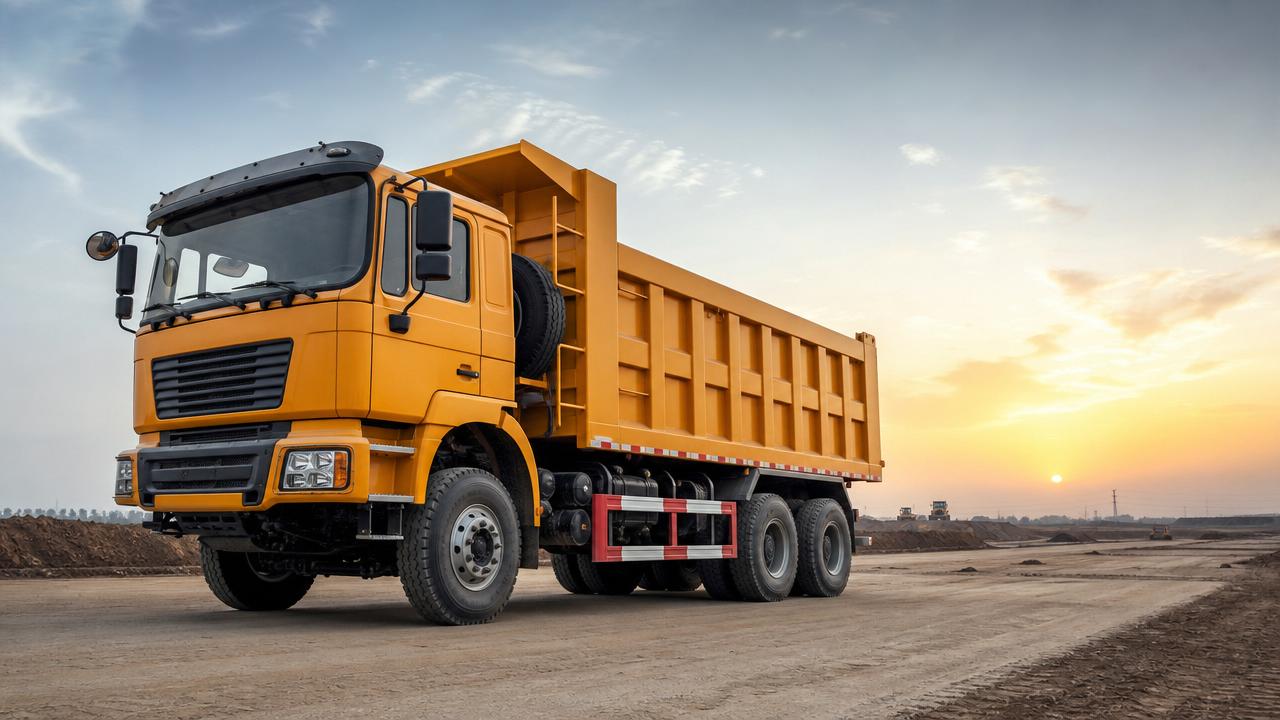
Understanding the Cangshan Vehicle Configuration List is essential for buyers, fleet managers, and industry researchers comparing engineering vehicles for performance, reliability, and long-term value.
This guide explains the key specifications that matter most, from powertrain and load capacity to safety features and customization options, helping you evaluate whether a vehicle configuration fits demanding construction, logistics, or project-site applications.
With insights from an experienced commercial vehicle exporter, you can make more informed decisions before sourcing or requesting a tailored quotation.
What Does the Cangshan Vehicle Configuration List Really Tell Buyers?
The Cangshan Vehicle Configuration List is more than a simple specification sheet. It is a decision tool for comparing engineering vehicles under real working conditions.
For information researchers, the list helps translate technical data into procurement meaning. Engine output, axle capacity, braking system, and body structure all affect operating results.
Why configuration data matters before quotation
- It clarifies whether the vehicle can handle construction-site loads, road gradients, long-distance transfer, or mixed terrain operation.
- It reduces quotation misunderstanding by aligning engine, transmission, axle, tire, cabin, and upper-body requirements early.
- It supports lifecycle cost comparison, because fuel use, maintenance access, and spare parts availability affect total ownership cost.
A reliable Cangshan Vehicle Configuration List should not be read as isolated numbers. Each item must be checked against the intended transport route and work intensity.
Key Specifications in a Cangshan Vehicle Configuration List
When reviewing the Cangshan Vehicle Configuration List, researchers should focus first on specifications that directly influence hauling ability, stability, durability, and compliance.
The following table summarizes common configuration fields used in engineering vehicle evaluation and explains why each one deserves attention before purchase.
This table shows why one configuration cannot fit every project. The best Cangshan Vehicle Configuration List must match load type, road condition, working hours, and local service capability.
Powertrain should be matched, not oversized
Many buyers assume higher horsepower is always better. In engineering vehicles, torque curve, gearbox ratio, axle ratio, and cooling performance are equally important.
An oversized engine may raise fuel cost and purchase price. An undersized engine may struggle on slopes, increase clutch wear, and reduce site productivity.
Which Engineering Scenarios Require Different Configurations?
The Cangshan Vehicle Configuration List becomes useful only when connected with specific working scenarios. Construction, mining support, municipal projects, and logistics transfer need different priorities.
Before comparing suppliers, define the main working environment. A road-focused vehicle and a site-focused vehicle may share a model name but differ greatly in configuration.
Application scenario comparison
The following comparison helps researchers link vehicle specifications with common engineering applications and avoid choosing only by visible body size.
A scenario-based reading of the Cangshan Vehicle Configuration List prevents overbuying and underbuying. It also helps exporters recommend feasible customization rather than generic stock units.
How to Compare Configurations Without Getting Lost in Numbers
Information researchers often collect brochures from multiple suppliers, then face inconsistent terms, different measurement units, and unclear optional features.
A practical method is to separate mandatory requirements from negotiable preferences. This turns the Cangshan Vehicle Configuration List into a structured evaluation checklist.
Recommended comparison method
- Confirm legal requirements first, including emission level, axle load limits, lighting, safety devices, and documentation needed for import clearance.
- Define working conditions, such as average payload, road slope, daily mileage, unloading frequency, and expected service life.
- Compare major assemblies, including engine, transmission, axles, frame, suspension, tires, brakes, and hydraulic components.
- Check after-sales practicality, including common spare parts, maintenance access, diagnostic support, and operator training needs.
- Request a configuration confirmation sheet before deposit, so the quotation, photos, and final vehicle specification remain consistent.
This process is especially important when comparing FOTON, SHACMAN, SINOTRUK, or other commercial vehicle platforms for engineering applications.
Do not compare only the purchase price
A lower price may exclude auxiliary braking, reinforced body material, correct tires, or export documentation support. These omissions can create larger costs later.
A complete Cangshan Vehicle Configuration List should show what is standard, what is optional, and what must be customized for the destination market.
Cost, Alternatives, and Total Ownership Considerations
Engineering vehicle buyers usually balance limited budgets with demanding project schedules. The right configuration should reduce avoidable downtime, not only reduce initial spending.
The Cangshan Vehicle Configuration List can reveal hidden cost drivers when you compare fuel system, body design, tire selection, and maintenance accessibility.
The table below outlines common cost choices and the practical trade-offs that should be discussed before issuing a purchase order.
The best alternative is not always the most expensive configuration. It is the specification that fits duty cycle, maintenance resources, and financing expectations.
Compliance and Documentation Checks Before Import
For international buyers, configuration evaluation does not end at performance. Import procedures, emission rules, road regulations, and customs documents can affect delivery schedules.
The Cangshan Vehicle Configuration List should be reviewed together with destination-market requirements. This is especially important for government tenders and fleet replacement projects.
Common compliance checkpoints
- Emission level should match local regulations, fuel quality, and registration requirements before confirming the engine model.
- Lighting, mirrors, warning devices, and braking systems should be checked against road-use or project-site safety rules.
- Vehicle dimensions and axle loads should be assessed against transport permits, port handling conditions, and road restrictions.
- Export documents should be aligned with customs clearance needs, including invoice, packing details, certificate documents, and shipping information.
Working with an exporter that understands configuration, documentation, customs clearance, and logistics reduces the risk of mismatched vehicles or delayed delivery.
Service Flow: From Research to Delivery Confirmation
A professional sourcing process helps researchers move from initial comparison to a confirmed vehicle solution. It also keeps price, specification, and delivery expectations transparent.
Shandong Livol Truck International Trade Co., Ltd. provides full-process support for commercial vehicle export, from selection and customization to documentation and logistics.
The following service flow shows how a Cangshan Vehicle Configuration List can be converted into a practical procurement plan.
Because Livol is an authorized domestic and overseas dealer for FOTON, SHACMAN, and SINOTRUK, buyers can discuss brand options with clearer supply channels.
FAQ: Practical Questions About the Cangshan Vehicle Configuration List
How should I start evaluating a Cangshan Vehicle Configuration List?
Start with the application, not the model name. Define payload, road type, working hours, unloading method, local regulation, and expected delivery date.
Then compare the engine, gearbox, axle, suspension, brake system, tires, and body structure. This creates a practical baseline for supplier discussions.
What is the most common mistake when comparing configurations?
The most common mistake is comparing only horsepower and price. Engineering vehicle performance depends on matched systems, not one impressive number.
A vehicle with balanced torque, axle ratio, suspension, braking, and body design may perform better than a higher-powered but poorly matched option.
Can the configuration be customized for different markets?
Many configuration items can be adjusted, depending on chassis platform, production availability, and export timing. Typical areas include body size, tires, cabin features, and auxiliary systems.
However, customization should be checked against compliance, spare parts availability, transport constraints, and realistic delivery schedule before final confirmation.
How long does delivery usually take?
Delivery depends on inventory status, customization depth, documentation requirements, port schedule, and destination route. Stock vehicles usually move faster than heavily customized units.
A precise schedule should be confirmed after reviewing the Cangshan Vehicle Configuration List, export documents, payment terms, and logistics plan.
Why Choose Shandong Livol Truck for Configuration Consultation?
Shandong Livol Truck International Trade Co., Ltd., based in Shandong, China, supports global buyers with commercial vehicle sourcing and integrated export solutions.
As an authorized dealer for FOTON, SHACMAN, and SINOTRUK, Livol operates multiple authorized 4S stores in China and maintains sufficient vehicle inventory.
For researchers reviewing the Cangshan Vehicle Configuration List, this means access to practical selection guidance, supply confirmation, customization coordination, and export process support.
What you can request from our team
- Parameter confirmation for engine, transmission, axles, brakes, tires, cargo body, cabin, and optional equipment.
- Vehicle selection advice based on construction, mining support, municipal work, logistics transfer, or mixed engineering use.
- Customization discussion covering upper body design, working environment, emission requirement, and documentation needs.
- Delivery cycle communication, inventory checking, customs clearance support, and international logistics coordination.
- Quotation preparation based on confirmed configuration, destination requirements, and practical project timeline.
If you are comparing a Cangshan Vehicle Configuration List for an upcoming project, contact Livol with your payload, route, market, and preferred delivery schedule.
Our export team can help convert research data into a workable engineering vehicle solution, with clear specifications, realistic lead time, and professional trade support.
Search Starts Here