
News
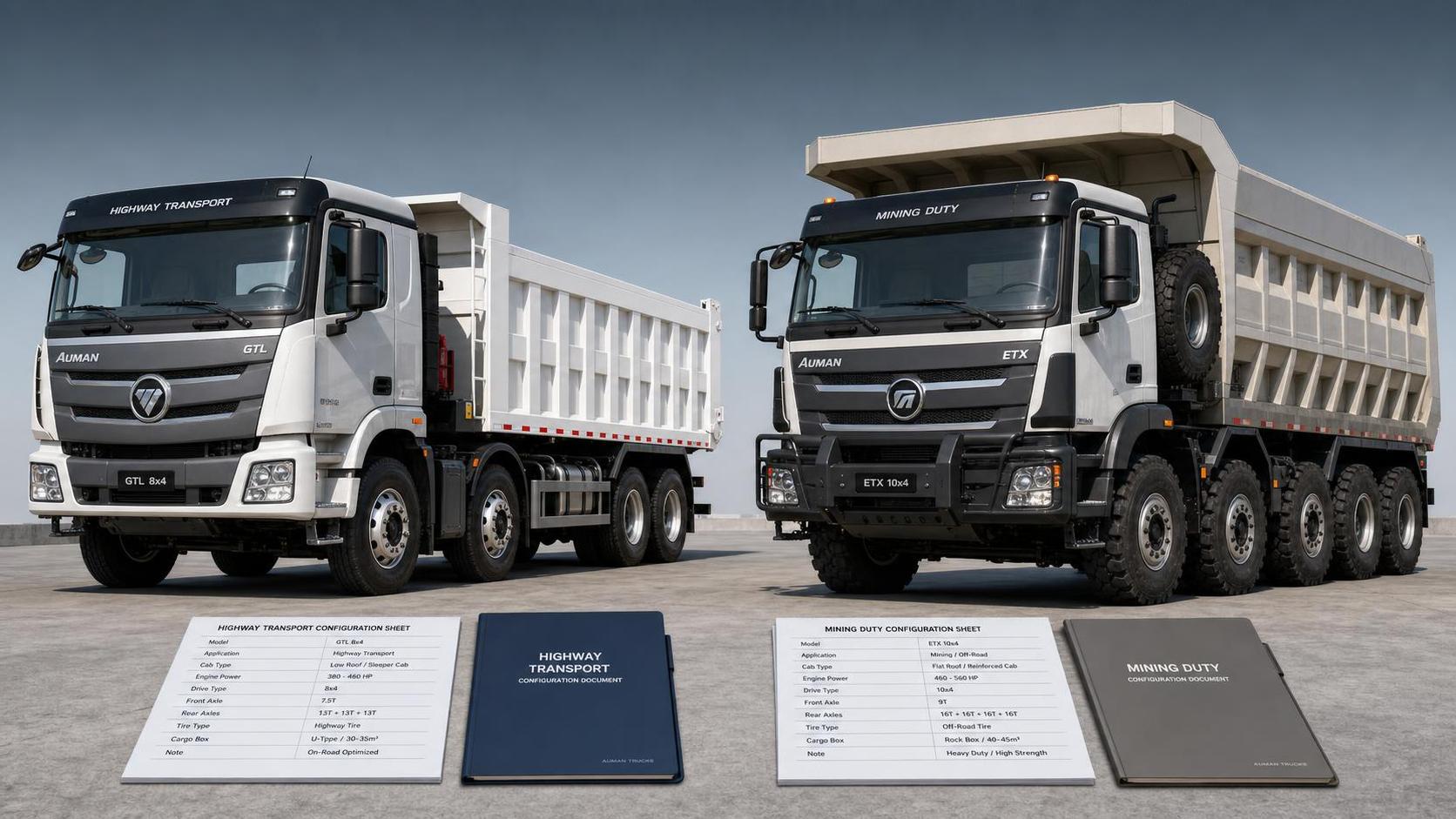
Cangshan Vehicle Configuration List: How to Compare Models Without Missing Key Specs
For technical evaluators, a Cangshan Vehicle Configuration List is more than a basic spec sheet. It is the base for accurate comparison and procurement decisions.
Engine output, axle layout, payload capacity, braking systems, and cab features all shape real operating results. A small mismatch can create cost, compliance, or uptime problems later.
That is why a structured reading method matters. When you review a Cangshan Vehicle Configuration List systematically, model differences become clearer and easier to verify.
In practical sourcing work, the challenge is rarely missing data alone. The bigger issue is comparing specifications that look similar on paper but perform differently in field conditions.
This guide explains how to read a Cangshan Vehicle Configuration List with a decision mindset, so key specs stay visible from shortlist to final approval.
Start With the Operating Scenario
Before comparing models, define the operating scenario. This step keeps the Cangshan Vehicle Configuration List tied to actual use, not just attractive numbers.
Ask four basic questions first. What material will the vehicle carry, how far will it travel, what road conditions will it face, and what legal limits apply?
- Urban short-haul work often values turning radius, cab visibility, and fuel economy.
- Mining or rough-road use usually prioritizes axle strength, suspension durability, and torque.
- Cross-border logistics may require emissions compliance, documentation alignment, and parts support.
Once the use case is fixed, the Cangshan Vehicle Configuration List becomes easier to rank. Specs stop being general information and become decision criteria.
Read the Core Powertrain Data First
Most comparison work should begin with the powertrain section. In any Cangshan Vehicle Configuration List, this section usually drives performance, fuel cost, and service complexity.
Engine Ratings Need Context
Do not compare horsepower alone. Check rated power, peak torque, torque band, displacement, fuel type, and emission standard together.
A lower horsepower engine with stronger low-speed torque may work better for heavy loads and frequent stops. That difference often matters more than headline power.
Transmission Matching Is Critical
Review gearbox type, gear count, ratio spread, and clutch rating. A capable engine can still underperform if the transmission is poorly matched to route conditions.
This is a common blind spot in a Cangshan Vehicle Configuration List review. Evaluators often notice output numbers but miss drivability and gradeability implications.
Axle Ratio Changes the Whole Result
Final drive ratio affects acceleration, climbing ability, and cruising efficiency. It should always be compared with tire size, transmission ratios, and gross vehicle weight.
When reviewing a Cangshan Vehicle Configuration List, treat axle ratio as a performance lever, not a secondary footnote.
Check Weight, Payload, and Chassis Compatibility
A model may look strong on paper but fail on payload efficiency. That is why the weight section in a Cangshan Vehicle Configuration List deserves close attention.
Compare curb weight, GVW, GCW if relevant, axle load limits, and body allowance. These figures determine how much useful load remains after configuration choices.
- Heavy-duty bumper packages may reduce available payload.
- Different wheelbase options can change body fitment and turning radius.
- Suspension type affects both legal loading and ride stability.
This also means the body builder plan must stay aligned with the base vehicle. The Cangshan Vehicle Configuration List should be checked against body dimensions and mounting requirements.
Do Not Skip Braking and Safety Systems
Braking data often receives less attention than engine data. In reality, it strongly affects compliance, downhill control, maintenance intervals, and fleet safety outcomes.
When reading a Cangshan Vehicle Configuration List, verify service brake type, ABS, ESC where available, parking brake design, and auxiliary braking systems.
Focus on the Operating Environment
For mountain routes or heavy construction use, an exhaust brake or hydraulic retarder may be more valuable than a small increase in engine power.
For urban distribution, active safety equipment and braking responsiveness may deserve a higher score in the comparison matrix.
A complete Cangshan Vehicle Configuration List review should connect safety hardware with route risk, driver workload, and maintenance planning.
Evaluate the Cab as a Productivity Factor
Cab specifications are often treated as comfort extras. In real operations, they influence driver retention, fatigue, visibility, and daily efficiency.
A Cangshan Vehicle Configuration List should be checked for cab width, berth layout, seat suspension, HVAC, instrument visibility, and camera or mirror support.
If routes involve long hours, poor road surfaces, or extreme weather, these details quickly shift from optional to necessary.
More importantly, cab configuration affects total uptime. A better driver environment can reduce fatigue-related incidents and improve vehicle utilization over time.
Build a Comparison Matrix That Exposes Trade-Offs
A long Cangshan Vehicle Configuration List can hide important trade-offs. The easiest fix is to convert the list into a weighted comparison matrix.
Use a simple structure with critical categories, target values, actual values, risk notes, and weighted scores. This keeps the review transparent.
This method makes the Cangshan Vehicle Configuration List easier to compare across brands, trim levels, and special builds.
Watch for Common Spec Comparison Mistakes
Several mistakes appear repeatedly in configuration reviews. Most of them come from reading one data point in isolation.
- Comparing horsepower without checking torque curve and gear ratios.
- Using nominal payload figures without confirming body weight.
- Ignoring regional emissions or axle load regulations.
- Assuming one Cangshan Vehicle Configuration List applies across all route conditions.
- Underestimating spare parts support and after-sales response.
From a procurement perspective, the more serious issue is hidden mismatch. A vehicle can be technically compliant yet operationally inefficient for the intended duty cycle.
Include Supply, Support, and Export Execution in the Decision
A Cangshan Vehicle Configuration List should not be evaluated in isolation from delivery capability. The best specification still fails if supply or documentation is unstable.
In actual trade projects, model selection depends on three parallel checks: technical fit, commercial fit, and execution fit.
Shandong Livol Truck International Trade Co., Ltd. supports this process with authorized access to FOTON, SHACMAN, and SINOTRUK resources, wide 4S coverage, and stable inventory.
That matters when the Cangshan Vehicle Configuration List must be matched with customization, export documentation, customs handling, and logistics timelines.
A reliable exporter also helps validate whether a chosen configuration remains practical for target-country regulations, local service conditions, and parts availability.
Use the Cangshan Vehicle Configuration List as a Decision Tool
A strong decision rarely comes from one standout specification. It comes from reading the full Cangshan Vehicle Configuration List in relation to route, payload, safety, and lifecycle cost.
The most effective approach is straightforward. Define the duty cycle, compare the powertrain, verify weight and braking data, review the cab, and score trade-offs clearly.
When this process is followed, specification review becomes less reactive and far more accurate. The result is a model choice that fits the job, the market, and the delivery plan.
If the next procurement stage requires deeper model comparison, use the Cangshan Vehicle Configuration List as the working document for technical validation, supplier coordination, and final selection approval.
Search Starts Here