
News
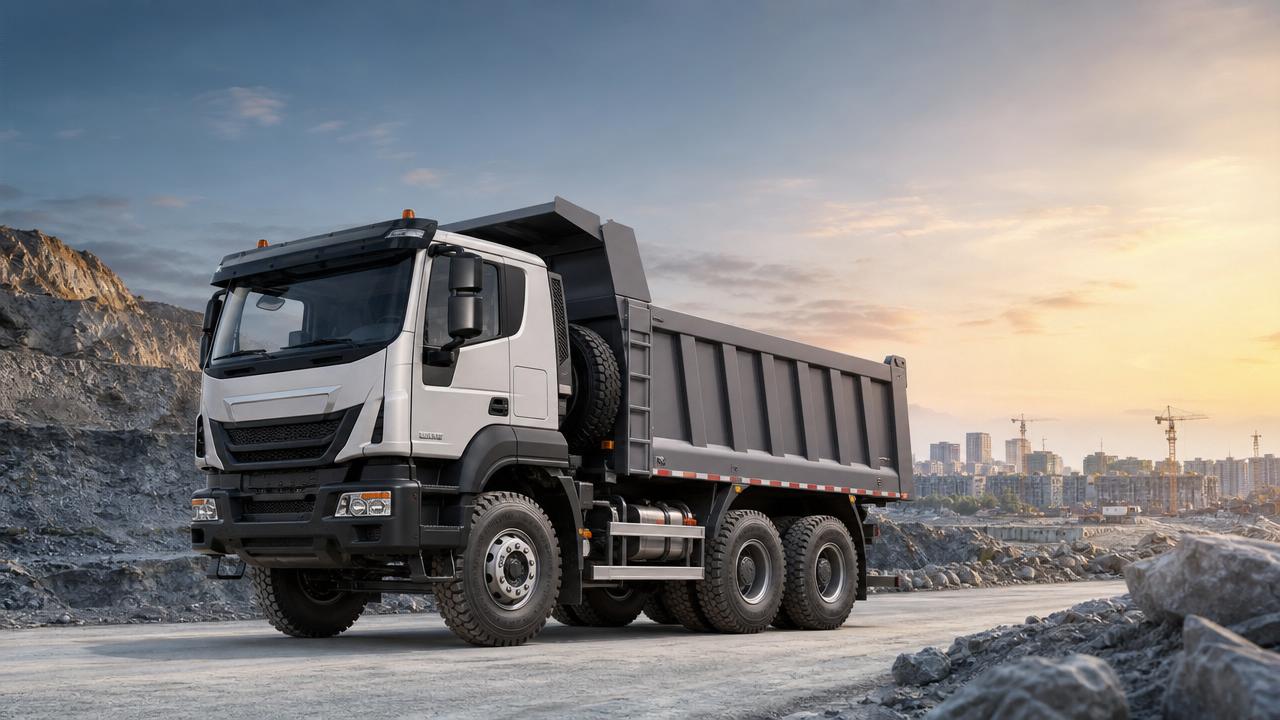
Understanding the Cangshan Vehicle Configuration List is essential when comparing engineering vehicles for performance, durability, and long-term operating value.
From powertrain choices to chassis structure, every configuration affects project efficiency, safety, fuel use, and total ownership cost.
Shandong Livol Truck International Trade Co., Ltd. helps global buyers read specifications clearly and match vehicles with real jobsite demands.
Cangshan Vehicle Configuration List for Real Engineering Scenarios
A configuration list is not just a technical sheet. It is a decision tool for matching vehicle capability with site conditions.
The Cangshan Vehicle Configuration List should be reviewed through terrain, payload, route length, climate, and maintenance capacity.
Engineering vehicles often work under unstable ground, heavy loads, sharp gradients, and long operating hours.
A suitable configuration improves uptime. A mismatched specification can increase tire wear, fuel waste, and repair frequency.
For this reason, the Cangshan Vehicle Configuration List must be connected with application scenarios, not only brand or price.
Scenario Background: Why Site Conditions Change Configuration Priorities
Different engineering sites create different stress on the same vehicle model.
A dump truck used in mining does not need the same configuration as one used for urban construction.
The Cangshan Vehicle Configuration List helps separate essential features from optional upgrades.
For example, a high-horsepower engine may be critical for mountainous haulage, but unnecessary for short-distance flat transport.
Likewise, a reinforced frame is valuable for quarry loading, while emission compliance may dominate urban road operation.
A practical review should focus on daily workload, maximum operating conditions, and expected service life.
Scenario 1: Earthwork Transport and Short-Distance Haulage
Earthwork transport usually involves short routes, frequent loading, repeated braking, and rough temporary roads.
In this scenario, the Cangshan Vehicle Configuration List should highlight torque output, axle load, suspension strength, and body volume.
A strong low-speed torque engine supports frequent start-stop operation under heavy soil loads.
Rear axle ratio also matters because it influences climbing ability, fuel economy, and transmission stress.
For muddy sites, tire pattern, ground clearance, and differential lock options should be checked carefully.
Core judgment points for earthwork sites
- Select higher torque for repeated heavy starts.
- Choose reinforced suspension for uneven haul roads.
- Match cargo body volume with soil density.
- Confirm braking capacity for frequent cycles.
Scenario 2: Quarry, Mining, and Heavy Material Transport
Quarry and mining operations place extreme pressure on the chassis, tires, axles, and hydraulic lifting system.
The Cangshan Vehicle Configuration List should be checked for frame thickness, axle capacity, hub reduction, and body wear resistance.
Heavy rocks and ore require stronger cargo bodies than light construction waste.
A high-strength steel body can reduce deformation and extend operational life under impact loading.
Engine cooling and air filtration also become important when dust levels are high.
If the route includes steep slopes, transmission selection should prioritize climbing stability over maximum road speed.
Recommended focus for mining conditions
- Review gross vehicle weight and legal payload limits.
- Check reinforced frame and heavy-duty rear axle options.
- Use wear-resistant body plates for abrasive materials.
- Confirm hydraulic cylinder specification for stable lifting.
Scenario 3: Urban Construction and Road-Compliant Operation
Urban construction vehicles face different limits from mining or rural engineering vehicles.
The Cangshan Vehicle Configuration List should include emission level, turning radius, cab visibility, noise control, and braking safety.
Compact wheelbase options may improve access to narrow roads and crowded construction entrances.
For city projects, legal road compliance can be more important than maximum loading ambition.
ABS, speed limit settings, lighting systems, and camera options can improve safety during mixed traffic operation.
A balanced configuration reduces risk, improves inspection readiness, and supports predictable daily dispatch.
Scenario 4: Long-Distance Engineering Logistics
Some engineering vehicles move materials between remote supply points, ports, storage yards, and construction corridors.
In this case, the Cangshan Vehicle Configuration List should prioritize fuel economy, cab comfort, engine reliability, and service intervals.
A larger fuel tank may reduce refueling stops in remote areas.
Comfortable seats, air conditioning, and ergonomic controls support safer long-hour operation.
Transmission matching is important because highway cruising requires different gear behavior from low-speed site transport.
The best configuration balances carrying capacity with operating economy across the full route.
Different Scenario Needs Compared by Configuration Item
This comparison shows why the Cangshan Vehicle Configuration List should be reviewed by workload, not only by model name.
How to Read the Cangshan Vehicle Configuration List Accurately
A reliable reading starts with the vehicle mission, then moves to the technical specification.
Engine power should be considered together with torque curve, axle ratio, and loaded route gradient.
Payload capacity should be checked with body volume, material density, and road regulations.
Cabin features should not be treated as luxury only. They influence safety, fatigue control, and daily efficiency.
The Cangshan Vehicle Configuration List should also include spare parts availability and maintenance convenience.
Practical review sequence
- Define the main material and average load.
- Confirm road condition, slope, and transport distance.
- Match engine, gearbox, axle, and tires.
- Verify safety, emission, and local compliance needs.
- Review customization, delivery schedule, and after-sales support.
Scenario Adaptation Suggestions for Engineering Vehicles
The right configuration is often a controlled balance between performance, cost, and durability.
For heavy-load sites, avoid reducing axle and frame specifications to save initial cost.
For lighter urban work, avoid oversized configurations that increase fuel use and reduce maneuverability.
For mixed sites, choose a flexible specification that handles peak workload without excessive daily expense.
These steps make the Cangshan Vehicle Configuration List more useful during final selection and cost comparison.
Common Misjudgments When Comparing Configurations
One common mistake is comparing only horsepower while ignoring torque and axle matching.
Another mistake is choosing the largest cargo body without checking material density or legal load limits.
Some projects also underestimate tire selection, although tires directly affect traction, stability, and replacement cost.
Hydraulic lifting capacity is sometimes ignored until unloading becomes slow, unstable, or unsafe.
The Cangshan Vehicle Configuration List should be reviewed with both working conditions and future maintenance in mind.
A cheaper initial specification may become expensive if downtime, fuel, and repairs increase over several years.
Why Shandong Livol Truck Supports Configuration Selection
Shandong Livol Truck International Trade Co., Ltd. is based in Shandong, China.
The company is a professional commercial vehicle exporter with strong industry resources and global trade experience.
It is an official authorized domestic and overseas dealer for FOTON, SHACMAN, and SINOTRUK.
With many authorized 4S stores across China, sufficient inventory supports stable supply and fast delivery.
The export team supports vehicle selection, customization, documentation, customs clearance, and logistics coordination.
Strict quality control and professional after-sales service help global projects reduce uncertainty during vehicle sourcing.
Next Step: Turn the Cangshan Vehicle Configuration List into a Buying Plan
Before confirming an order, prepare route details, load type, climate conditions, and expected working hours.
Then compare the Cangshan Vehicle Configuration List against each real application scenario.
This method reduces specification errors and makes price comparison more meaningful.
For tailored engineering vehicle recommendations, contact Shandong Livol Truck International Trade Co., Ltd.
The team can help evaluate configurations, confirm availability, arrange export procedures, and deliver suitable commercial vehicles worldwide.
Search Starts Here