
News
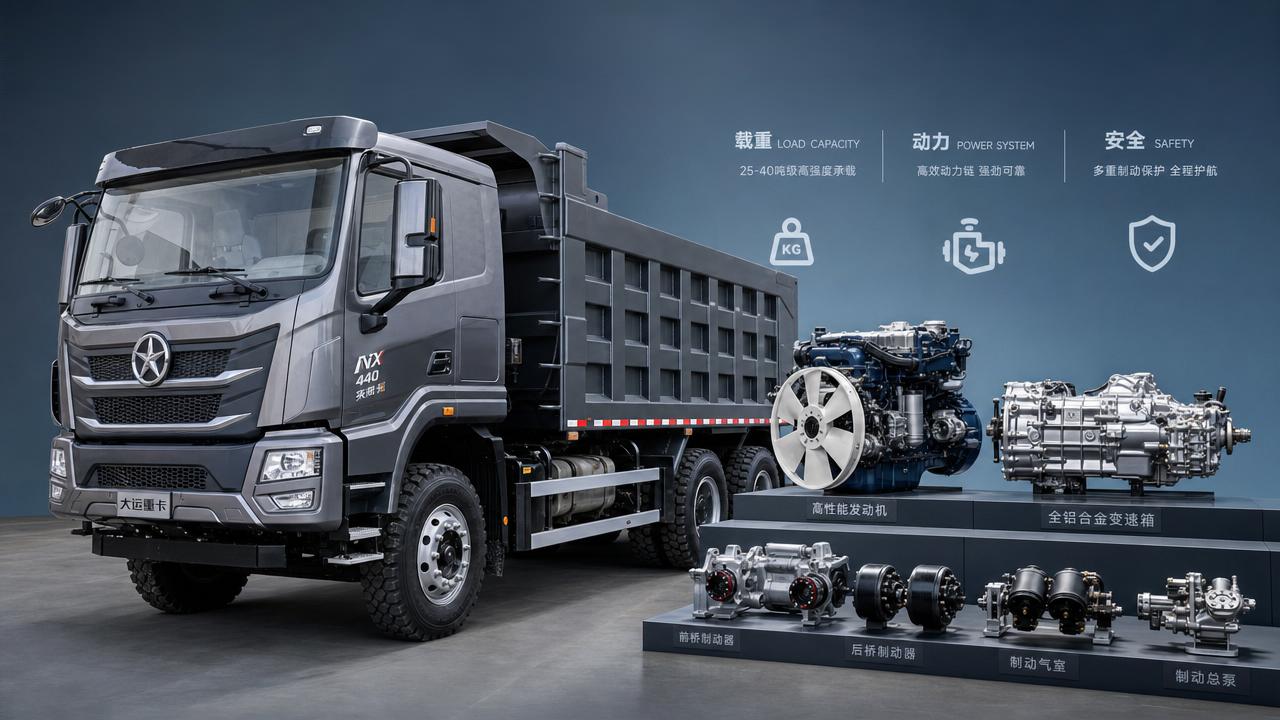
Reviewing a Cangshan Vehicle Configuration List is the fastest way to compare real-world value before making a shortlist. For buyers researching engineering vehicles, the right specs can affect payload, fuel efficiency, durability, and long-term operating cost. This guide highlights five key configuration points worth checking first so you can evaluate options more confidently and avoid costly mismatches.
For most research-stage buyers, the core question is simple: which specifications on a Cangshan Vehicle Configuration List actually matter before contacting a supplier. Not every line item has equal impact on field performance.
The best starting point is to focus on the configurations that directly affect workload, operating conditions, maintenance frequency, and ownership cost. In practical terms, five areas usually deserve attention first.
Start with the chassis and axle rating, because they define carrying capability
When buyers compare engineering vehicles, they often begin with body size or engine power. However, the chassis structure and axle rating usually reveal more about the vehicle’s actual working limits.
A Cangshan Vehicle Configuration List should clearly state the gross vehicle weight, curb weight, payload range, axle load distribution, suspension type, and frame dimensions. These figures determine whether the vehicle matches your site conditions.
If the axle rating is too low for your daily material density, the vehicle may be technically operable but financially inefficient. Overloading leads to faster tire wear, frame stress, brake fatigue, and higher downtime.
Frame thickness and reinforcement matter especially in mining, construction haulage, and uneven road applications. A stronger frame may cost more initially, but it often reduces long-term repair frequency under repeated heavy-load cycles.
Buyers should also check whether the wheelbase fits their loading and turning requirements. A longer wheelbase may improve stability, while a shorter one may work better in narrow sites.
In early screening, ask one practical question: can this chassis support your normal load, not just the brochure maximum. That distinction helps avoid choosing a vehicle designed for occasional rather than continuous heavy use.
Check the engine and transmission as a working pair, not as separate specs
One of the most common mistakes in reading a Cangshan Vehicle Configuration List is treating horsepower as the main decision point. Engine output matters, but it only tells part of the story.
What buyers really need to examine is the relationship between engine power, torque, gearbox ratios, and intended route profile. An engineering vehicle working on gradients needs torque delivery more than impressive headline horsepower.
If your operation includes muddy sites, quarry roads, stop-start urban transport, or steep access roads, the transmission setup becomes critical. Gear ratios influence climbing ability, fuel use, and smoothness under load.
Look for engine displacement, emission standard, maximum torque, torque band, gearbox model, number of gears, and whether the transmission is manual, automated manual, or fully automatic where applicable.
For many engineering vehicle users, a balanced powertrain beats an oversized one. Excessive power may increase fuel consumption without delivering proportional productivity gains, especially in short-haul or moderate-load applications.
On the other hand, underpowered configurations often create hidden costs. Drivers may need higher revs, more aggressive gear shifting, and longer cycle times, all of which reduce efficiency in daily operations.
When comparing options, match the engine-transmission combination to your average terrain, trip length, and loading frequency. That approach provides a far better purchasing basis than comparing engine figures alone.
Do not skip the body and loading configuration, because application fit matters more than appearance
For engineering vehicles, body specification is not a cosmetic detail. It affects loading method, unloading efficiency, material compatibility, and even legal compliance in some markets.
A proper Cangshan Vehicle Configuration List should include cargo body dimensions, body material, floor and side wall thickness, lifting mechanism if applicable, hydraulic system details, and tailgate structure.
If the vehicle is intended for sand, gravel, crushed stone, earth, or mixed construction debris, body material strength becomes especially important. Thin plates may lower purchase price but wear out quickly under abrasive loads.
Dump body angle and hydraulic cylinder quality also deserve attention. A body that cannot unload efficiently in sticky material conditions can slow cycle times and create unnecessary site delays.
For buyers handling lighter but higher-volume materials, body capacity may matter more than maximum density tolerance. In that case, dimensions and legal loading volume should be reviewed together.
It is also worth checking whether the body configuration supports local operating habits. For example, some markets prefer reinforced rear doors, while others require side protection or specific body height limits.
The most useful way to assess this section is to compare body configuration against your actual material type, loader size, unloading environment, and route restrictions. This prevents selecting a vehicle that looks suitable on paper only.
Review fuel efficiency, tank capacity, and service accessibility to estimate daily operating cost
Information researchers are often trying to narrow choices before requesting quotations. At that stage, cost of ownership indicators are more valuable than general marketing claims about reliability.
A Cangshan Vehicle Configuration List may not give a perfect total cost forecast, but it can reveal whether a vehicle is likely to be economical in your operating pattern.
Start by checking fuel tank capacity, stated fuel consumption range if available, engine technology, and weight-to-power balance. These details help estimate range, refill frequency, and probable running efficiency.
Service accessibility is another overlooked factor. If filters, braking components, suspension parts, or hydraulic components are difficult to access, routine maintenance can take longer and cost more over time.
For overseas buyers, parts commonality is also essential. Vehicles built on widely used platforms usually offer easier spare parts planning than highly customized or low-volume configurations.
Ask whether the listed engine, transmission, and axle models are commonly supported in your region. A strong specification loses value if replacement parts are difficult to source quickly.
Practical ownership cost is shaped by uptime as much as by fuel use. A slightly higher purchase price may be justified if the vehicle offers easier maintenance, better parts availability, and more stable long-term service support.
Safety, braking, and driver-support features should be checked before finalizing any shortlist
In engineering vehicle procurement, safety is not only a compliance issue. It also affects driver confidence, accident risk, cargo stability, insurance exposure, and fleet management outcomes.
When reading a Cangshan Vehicle Configuration List, look for braking type, auxiliary braking systems, ABS availability, tire specification, suspension setup, lighting, reversing aids, and cab visibility features.
Vehicles working on slopes or carrying heavy loads benefit from stronger braking support, especially where routes include downhill sections or frequent stop-start conditions. Brake fade risk should never be underestimated.
Tire specification deserves more attention than many buyers give it. Tire size, ply rating, and tread pattern influence traction, load handling, and durability on mixed road surfaces.
Cab ergonomics also contribute to safe and efficient operations. A driver who has better visibility, more comfortable seating, and easier control access is likely to operate with less fatigue.
If your use case involves long shifts or multiple drivers, the cab specification can influence productivity more than expected. Small comfort and visibility improvements often translate into better consistency on site.
In shortlist comparison, prioritize safety features that match the working environment, not just the longest equipment list. The right braking and support systems are those that reduce real operational risk.
How to use a Cangshan Vehicle Configuration List to compare options more accurately
Once the five key specification areas are reviewed, the next step is to compare vehicles in a structured way. This is where many information-stage buyers can save time before requesting formal offers.
Create a simple comparison sheet with columns for chassis capacity, powertrain suitability, body match, operating cost indicators, and safety features. Score each option based on your actual conditions, not generic preference.
It helps to define your must-have requirements first. These may include minimum payload, required torque level, specific body thickness, fuel range, or brake configuration for hilly routes.
Then separate desirable features from essential ones. This prevents overpaying for configurations that look attractive but do not improve your real job performance.
Buyers should also note any missing specification data. If a Cangshan Vehicle Configuration List leaves out key details such as axle brand, hydraulic system type, or frame dimensions, that is worth clarifying early.
Incomplete configuration information can make two vehicles seem comparable when they are not. A precise list supports better supplier communication and reduces misunderstandings during quotation and export preparation.
For international buyers, it is also wise to confirm whether listed specifications can be customized for local regulations, climate conditions, road quality, or fleet standards before moving further in the sourcing process.
Why early specification screening reduces procurement risk
For research-driven buyers, the goal is not to choose a vehicle instantly. The goal is to eliminate poor-fit options before investing time in pricing, logistics, financing, and import discussions.
That is why a Cangshan Vehicle Configuration List is valuable at the top of the decision funnel. It provides an evidence-based way to judge suitability before brand preference or price begins to dominate the conversation.
Vehicles that seem competitively priced may prove expensive if they are mismatched in axle strength, body structure, powertrain balance, or maintenance convenience. Early spec review helps expose those trade-offs.
It also improves supplier conversations. When buyers ask focused questions about torque range, frame reinforcement, body material, or brake support, they get more useful answers than with broad requests for “best model” suggestions.
This is particularly important in engineering vehicle export, where delivery cycles, documentation, and regional adaptation all matter. Better early screening usually leads to smoother procurement later.
Suppliers with strong product access and export experience can support this process by providing clear configuration details, optional upgrades, application advice, and matching recommendations for different jobsite demands.
Conclusion
If you are reviewing a Cangshan Vehicle Configuration List, start by checking the five specifications that most directly affect field performance: chassis and axle rating, engine-transmission match, body configuration, operating cost indicators, and safety systems.
These are the details most likely to influence payload efficiency, fuel use, durability, maintenance demand, and long-term return on investment. They also help you separate suitable vehicles from those that only appear competitive.
For information researchers, the smartest next move is to turn those five areas into a shortlist checklist. Once you know what to compare, supplier discussions become clearer, faster, and more productive.
In engineering vehicle sourcing, good decisions begin with relevant specifications, not with the longest brochure or the lowest initial price. A careful configuration review is often the most practical first filter.
Search Starts Here