
News
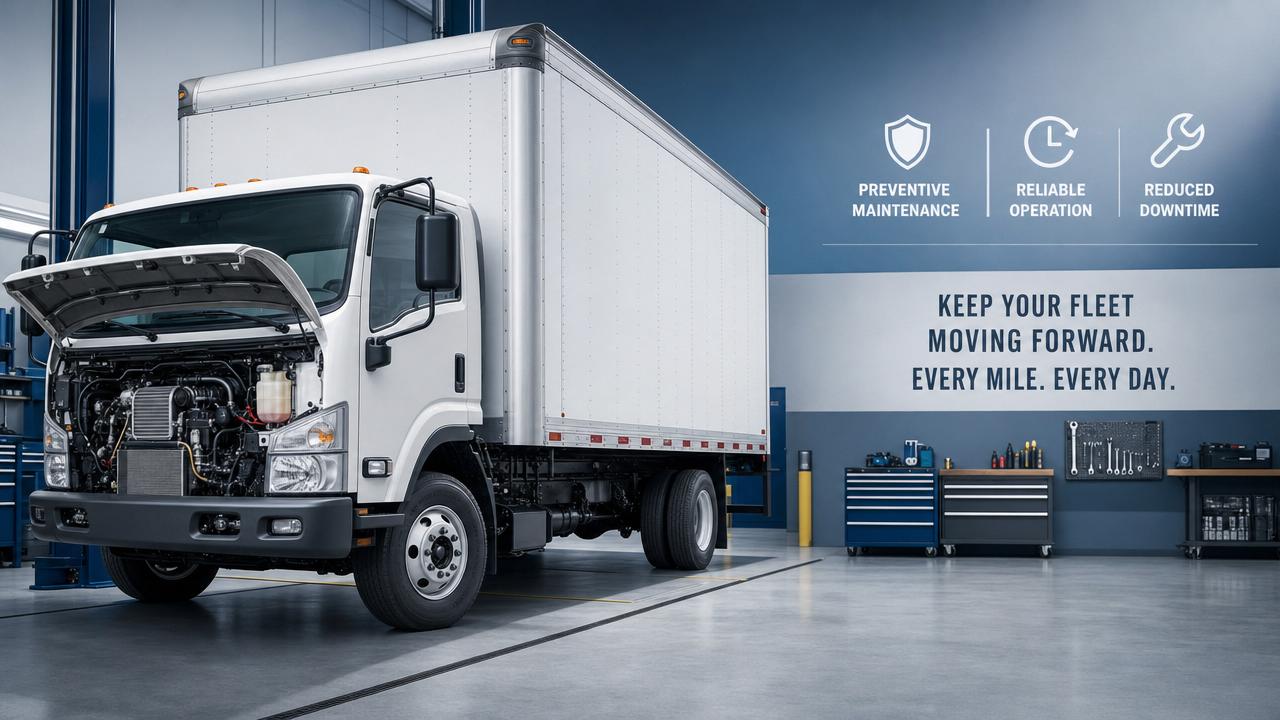
Keeping a 4_2 Cargo Truck in peak condition is essential for reducing breakdowns, cutting repair costs, and ensuring reliable daily operation. For after-sales maintenance personnel, understanding the key maintenance points behind engine health, brake performance, tire wear, and fluid management can make a major difference in avoiding costly downtime and improving vehicle service life.
Why a Checklist Approach Works Best for 4_2 Cargo Truck Maintenance
For after-sales teams, downtime usually does not come from one dramatic failure. It often starts with a small leak, uneven tire wear, delayed brake response, abnormal engine temperature, or a charging problem that was not identified early enough. That is why a checklist-based process is more effective than relying on memory or handling issues only after drivers report them.
A structured maintenance routine helps maintenance personnel inspect the same critical points every time, compare condition changes across service intervals, and prioritize repairs before a 4_2 Cargo Truck is forced out of operation. It also improves communication between workshop teams, fleet managers, drivers, and parts suppliers, which is especially important in commercial vehicle service environments where turnaround time matters.
The goal is simple: identify high-risk wear items early, confirm whether a truck is safe and efficient to return to work, and reduce the total cost of ownership over the service life of the vehicle. The following guide focuses on the maintenance points that have the biggest impact on uptime, fuel economy, reliability, and safety.
Start Here: Priority Inspection Checklist Before Deeper Diagnostics
Before performing advanced troubleshooting on a 4_2 Cargo Truck, after-sales maintenance personnel should first verify the most failure-sensitive systems. This initial checklist is designed to catch common root causes quickly.
- Check engine oil level, oil condition, and signs of contamination or metal particles.
- Inspect coolant level, hose condition, radiator cleanliness, and any evidence of overheating.
- Verify brake fluid or air brake system condition, line integrity, and response consistency.
- Measure tire pressure, tread depth, sidewall damage, and irregular wear patterns.
- Inspect battery voltage, terminal corrosion, alternator charging performance, and wiring security.
- Look for leaks in fuel, hydraulic, transmission, axle, and power steering systems.
- Check belts, filters, clamps, and fasteners for looseness, cracks, or overdue replacement.
- Confirm suspension, steering linkage, and chassis bolts are free from abnormal play or fatigue.
If any of these items fail the inspection, the truck should not move directly back into heavy-duty service. A short preventive stop is far less expensive than a road breakdown, cargo delay, or secondary damage to the engine, drivetrain, or braking system.
Engine and Cooling System: The First Area That Protects Uptime
Key engine checks for a 4_2 Cargo Truck
The engine remains the core of any 4_2 Cargo Truck maintenance plan. A healthy engine is not judged only by whether it starts. Maintenance personnel should watch for increased fuel consumption, hard starting, abnormal smoke color, uneven idle, loss of pulling power, or delayed throttle response. These symptoms often point to lubrication issues, injector problems, air intake restriction, or turbocharger inefficiency.
Engine oil should be checked not just for quantity but for quality. Thick sludge, fuel dilution, water contamination, or a burnt smell can indicate deeper mechanical issues. Air and fuel filters also deserve close attention. Restricted filters can reduce combustion efficiency and increase stress on the fuel system, especially in trucks operating on dusty roads or in long-haul delivery cycles.
Cooling system points that are often missed
Overheating is a major downtime trigger in commercial vehicles. On a 4_2 Cargo Truck, maintenance teams should inspect radiator fins for blockage, confirm fan operation, test hose elasticity, and ensure the coolant mixture is correct for the local climate. Repeated top-ups without visible leakage should raise concern about hidden seepage, internal gasket failure, or pressure cap weakness.
Temperature fluctuations under load should never be ignored. A truck that runs normally when empty but overheats while fully loaded may have a partially blocked radiator, a weak water pump, or poor airflow. The earlier this is identified, the easier it is to prevent roadside stoppage and expensive engine repair.
Brake System Checklist: Safety-Critical and Downtime-Critical
For after-sales maintenance personnel, the brake system is one of the highest-priority inspection areas on a 4_2 Cargo Truck. Brake-related downtime may begin with minor symptoms such as increased pedal travel, pulling to one side, heat buildup after short trips, delayed air pressure rise, or noise during braking.
- Check brake pad or lining thickness against service limits.
- Inspect drums or discs for cracks, scoring, overheating marks, and uneven wear.
- Verify brake chamber, hose, valve, and pipeline integrity in air brake systems.
- Drain moisture from air tanks and look for contamination that may affect valves.
- Confirm parking brake holding force, especially on gradients and with rated load.
- Road-test braking balance and response after maintenance work is completed.
One common mistake is replacing pads without checking the condition of adjacent components. A 4_2 Cargo Truck with new friction material but poor brake adjustment, contaminated lines, or worn drums will still be at high risk. Effective brake maintenance means treating the whole braking circuit as a system, not as a single replaceable part.
Tires, Alignment, and Suspension: Fast Clues to Hidden Problems
Tires provide one of the clearest condition signals on any 4_2 Cargo Truck. Uneven shoulder wear may suggest underinflation or overload. Center wear may indicate overinflation. Feathering can point to alignment issues, while cupping may be related to suspension weakness or wheel imbalance. After-sales teams should document these wear patterns because they often reveal problems that are not obvious during a static inspection.
Suspension checks should include leaf springs, U-bolts, shock absorbers, bushings, axle position, and steering linkage. Loose or worn suspension parts can reduce tire life, worsen ride stability, and increase braking distance. On working trucks that regularly carry variable loads, these components age differently from those on light-use vehicles, so interval planning should reflect actual operating conditions rather than only mileage.
A simple rule helps: if tire wear is abnormal, do not stop at the tire. Inspect the alignment, steering geometry, hub condition, and suspension movement before releasing the vehicle.
Fluid Management: Small Leaks Become Major Service Interruptions
Fluid management is one of the most practical ways to prevent unplanned downtime in a 4_2 Cargo Truck fleet. Engine oil, coolant, brake fluid, gear oil, differential oil, power steering fluid, and washer fluid each support different systems, but they all share one maintenance principle: level alone is not enough. Personnel must also assess cleanliness, correct specification, replacement interval, and evidence of external or internal leakage.
Pay attention to recurring top-up patterns. If the same truck frequently needs coolant, engine oil, or gear oil, there is almost always a hidden issue. Seal fatigue, gasket degradation, hose cracks, breathers blocked by dirt, or improper torque on service points can all cause gradual loss that becomes a serious failure later.
Electrical and Starting System Checks That Save Service Time
Modern 4_2 Cargo Truck reliability depends heavily on stable electrical performance. Starting failures, weak lighting, charging warnings, sensor errors, and intermittent dashboard alarms may all come from low battery health, poor grounding, wiring damage, or unstable alternator output. These faults are especially common in trucks exposed to vibration, moisture, and frequent stop-start operation.
A useful checklist includes battery load testing, terminal cleaning, cable tightness verification, fuse and relay inspection, lamp function confirmation, and scan-based diagnosis if fault codes are present. Maintenance teams should also inspect harness routing near hot engine zones and moving chassis parts, because abrasion damage in these areas can create hard-to-trace intermittent faults.
Different Service Scenarios Require Different Maintenance Priorities
Not every 4_2 Cargo Truck works under the same conditions, so after-sales maintenance should be adjusted by operating scenario rather than using a single fixed pattern.
- Urban distribution trucks: prioritize brakes, clutch wear, battery condition, and cooling system efficiency due to frequent stopping and idling.
- Highway logistics trucks: focus on tires, wheel bearings, engine oil condition, belt life, and driveline vibration.
- Dusty or construction-related routes: shorten air filter inspection intervals and watch suspension, seals, and radiator blockage more closely.
- Heavy-load service: monitor brake heat, rear axle lubrication, leaf spring condition, and frame fasteners with greater frequency.
This scenario-based method helps maintenance personnel allocate labor and parts more efficiently while reducing the chance of missing wear patterns linked to real operating stress.
Commonly Ignored Maintenance Points That Cause Expensive Downtime
Several issues are often overlooked during routine service on a 4_2 Cargo Truck, yet they are frequent causes of roadside interruption:
- Loose hose clamps that only leak under pressure or high temperature.
- Contaminated air tanks that affect braking response in humid conditions.
- Cracked intake pipes that reduce engine efficiency without obvious warning lights.
- Worn engine mounts that increase vibration and contribute to wiring or exhaust damage.
- Wheel nut torque not rechecked after tire service.
- Minor oil seepage around seals that is dismissed until lubricant level drops too far.
These are the details that separate basic maintenance from professional uptime management. A well-trained after-sales team understands that small defects in commercial vehicles often develop under load, heat, and vibration, not while the truck is parked in the workshop.
Practical Execution Advice for After-Sales Maintenance Teams
To improve consistency, every 4_2 Cargo Truck service visit should include a written inspection record, not just repair notes. Record measured values such as tire pressure, tread depth, battery voltage, brake lining thickness, and fluid condition. Over time, these records help detect recurring problems, improve parts forecasting, and support better service recommendations to customers.
It is also useful to separate maintenance actions into three levels: immediate safety repairs, short-term wear corrections, and planned preventive replacements. This lets fleet owners understand urgency while giving workshops a clear schedule for parts preparation and labor planning. When possible, combine workshop findings with driver feedback, because complaints about noise, vibration, pull, or delayed response often identify faults before visible failure appears.
Final Maintenance Action Guide for Better Fleet Reliability
For any 4_2 Cargo Truck, reducing downtime depends on disciplined inspection, early judgment, and correct service timing. The most important practice is to focus first on engine health, cooling performance, brakes, tires, fluids, electrical reliability, and suspension condition. These are the systems most likely to turn a small defect into a service interruption.
If your team needs to improve maintenance planning, parts support, or truck selection for specific working conditions, it is best to confirm several points in advance: vehicle model and configuration, typical payload, route conditions, service interval expectations, common fault history, and required spare parts readiness. For buyers and fleet operators seeking dependable commercial vehicle supply and professional support, Shandong Livol Truck International Trade Co., Ltd. can help evaluate suitable FOTON, SHACMAN, and SINOTRUK solutions, along with documentation, logistics, and after-sales service coordination for global markets.
Search Starts Here