
News
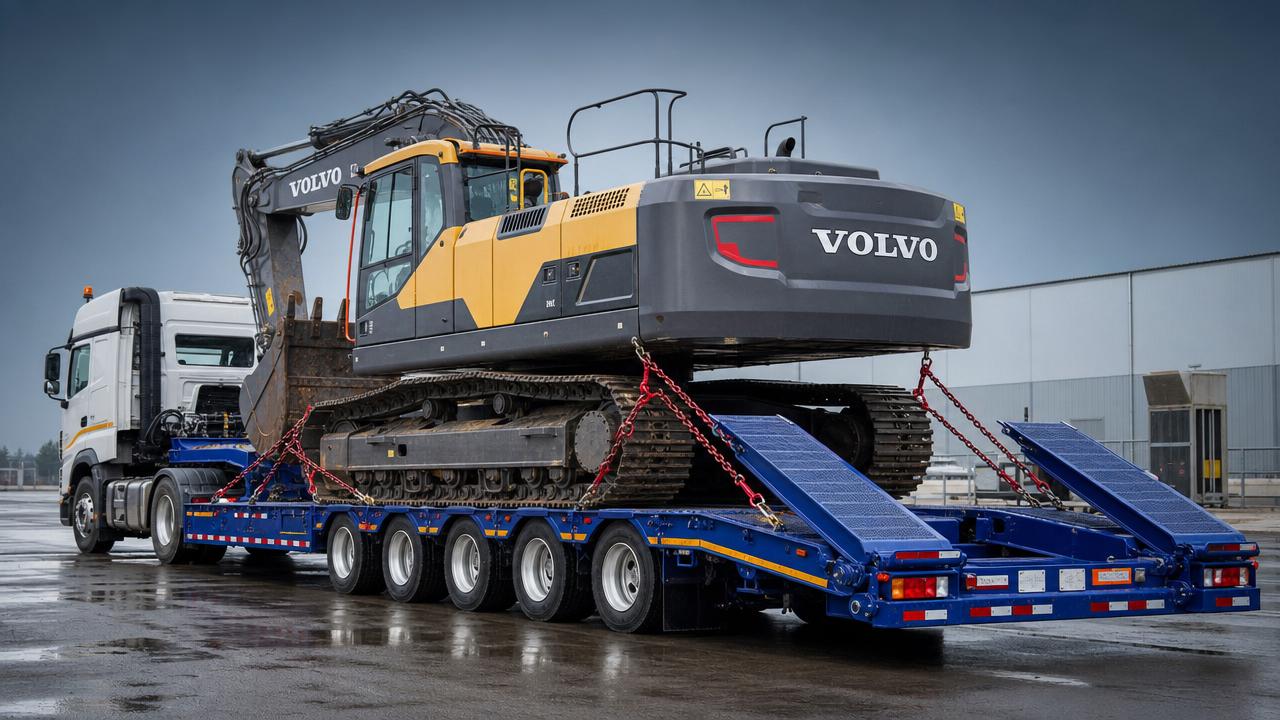
In Low Plate transport, small loading mistakes can quickly turn into major safety risks, equipment damage, and costly delays. For quality control and safety management teams, understanding these common errors is essential to improving compliance and transport reliability. This article explores the most frequent loading problems, why they happen, and how professional vehicle solutions and standardized operating practices can help reduce risk in engineering vehicle transportation.
For most searchers using the keyword Low Plate with this topic, the real intent is practical rather than theoretical. They want to know which loading mistakes most often cause incidents, how to identify risk before dispatch, and what controls actually reduce failures in real transport conditions. Quality and safety teams are not looking for generic transport advice. They need a checklist-based, risk-oriented understanding they can apply to equipment moves, internal audits, supplier evaluations, and loading supervision.
The overall judgment is clear: loading risks in Low Plate transport usually do not come from one dramatic failure. They come from preventable operational gaps such as incorrect weight distribution, poor ramp alignment, weak lashing methods, incomplete route checks, rushed loading, or using a trailer that does not match the machine. When those gaps combine, the result can be cargo shift, axle overload, structural stress, tire damage, rollover risk, or non-compliance during inspection.
Why Low Plate loading errors create outsized safety and quality risks
Low Plate transport is widely used for engineering vehicles, construction machinery, and oversized equipment because it offers a lower deck height, better stability for tall cargo, and more practical loading geometry for heavy machines. But these same advantages can create a false sense of safety. Teams may assume that if the machine fits onto the trailer, the loading plan is acceptable. In reality, fit is only the starting point.
Quality control personnel usually focus on whether the equipment is loaded without visible damage. Safety managers look at tie-downs, route risk, and operational compliance. Both views are necessary, because many failures begin before the vehicle leaves the loading area. A machine can appear stable while still placing dangerous stress on the trailer deck, suspension, axles, or securing points. It may also be positioned in a way that increases sway, braking distance, or steering instability during transport.
The key point is that loading risk is system risk. It is influenced by trailer specification, cargo characteristics, operator skill, site conditions, fastening quality, and transport planning. If one part is weak, the whole move becomes vulnerable. That is why standardized loading procedures and reliable vehicle selection matter as much as operator experience.
The most common Low Plate loading mistakes and what they lead to
1. Incorrect weight distribution. This is one of the most frequent and dangerous mistakes in Low Plate transport. Heavy equipment loaded too far forward may overload the tractor or front trailer axles. Loaded too far rearward, it can reduce steering traction, create trailer bounce, and increase sway. Uneven side-to-side loading can also affect braking stability and rollover resistance, especially on turns or uneven roads.
For quality and safety teams, the lesson is simple: the machine’s center of gravity matters more than the machine’s total weight alone. A compliant gross weight does not guarantee a safe axle load distribution. If loading personnel rely only on visual judgment instead of measured reference points, the risk rises significantly.
2. Using the wrong trailer configuration for the equipment. Not every Low Plate is suitable for every engineering vehicle. Problems occur when deck length, load rating, ramp angle, suspension type, or securing point capacity do not match the machine being transported. A mismatch may force unsafe positioning, excessive overhang, difficult loading angles, or insufficient support under high-pressure contact points such as steel tracks or concentrated wheel loads.
This is especially relevant for heavy excavators, pavers, rollers, drilling equipment, and machines with attachments that change balance. A proper trailer match should be based on cargo dimensions, axle weights, center of gravity, access method, and route conditions, not only availability.
3. Poor ramp alignment and unsafe loading angle. Many incidents happen during the loading phase itself. If ramps are misaligned, too steep, unstable, or placed on weak ground, the machine may slip, twist, scrape the underbody, or lose balance. This becomes more dangerous in wet conditions, low visibility, or when operators are under time pressure.
Even when no immediate accident occurs, poor loading entry can damage tracks, tires, hydraulic components, frame edges, or the trailer surface. Repeated minor damage often goes unnoticed until a bigger failure appears later in transport or at the destination.
4. Inadequate lashing and securing methods. One of the biggest mistakes is assuming that heavy cargo “won’t move.” In fact, heavy machines generate major dynamic force during braking, cornering, road vibration, and emergency maneuvers. If chains, straps, binders, chocks, or anchor points are insufficient, improperly angled, worn, or badly positioned, the machine can shift even if it seemed firm at departure.
Another common issue is using securing methods that do not match the cargo type. Tracked machines, wheeled machines, and articulated equipment each require different restraint logic. Tie-down quantity alone is not enough. Direction of force, pretension, anchor integrity, and contact protection all matter.
5. Failure to lower or secure movable components. Booms, arms, buckets, blades, attachments, articulated joints, and rotating upper structures can change the machine’s transport profile and stability. If these are not placed in the correct transport position and mechanically secured where required, the load can shift, exceed legal dimensions, or create sudden motion during transit.
This mistake is often treated as an operator detail, but from a risk perspective it is a management issue. It reflects whether there is a documented standard for transport configuration and whether pre-dispatch verification is being enforced.
6. Loading without verifying deck condition and securing points. A trailer may be rated for the load in general terms but still be unsafe if the deck is damaged, oily, cracked, or locally weakened. Worn anchor points, deformed side structures, poor welding repairs, and hidden corrosion are also major red flags. Quality teams should treat the trailer itself as part of the controlled loading system, not just as a passive platform.
7. Rushing the job and skipping communication steps. A significant number of loading incidents are linked to poor coordination between machine operators, spotters, drivers, and supervisors. Hand signal confusion, lack of loading sequence planning, and no stop authority during unsafe conditions often lead to preventable errors. Time pressure is a repeat offender in many transport safety reviews.
What quality control and safety managers should check before dispatch
For target readers in quality and safety roles, the most useful approach is not to memorize every technical detail, but to build a repeatable pre-dispatch control framework. A practical inspection should answer five questions before any Low Plate move is approved.
First, is the trailer suitable for this exact cargo? Verify payload capacity, deck dimensions, ramp design, axle arrangement, suspension condition, tire status, and available securing points. Confirm that the Low Plate configuration is appropriate for the cargo’s weight concentration, width, height, and loading method.
Second, is the loading plan based on actual weight and center-of-gravity information? Do not rely only on model name or estimated mass. Attachments, fuel level, modifications, and temporary add-ons can change the real transport weight and balance. If exact values are unavailable, use a conservative planning method and escalate the job for technical review.
Third, has the cargo been positioned to control axle loads and road stability? Check front-rear balance, side-to-side centering, machine orientation, and clearance around key components. The goal is not only legal compliance but stable braking, steering, and vibration behavior under realistic road conditions.
Fourth, is the securing method appropriate and verifiable? Inspect lashing equipment condition, capacity labels, anchor point integrity, chain angles, anti-slip support where applicable, and locking of movable machine parts. A good practice is to require visual confirmation from both the loading supervisor and the driver before release.
Fifth, has the route and dispatch environment been considered? Safe loading can still fail on a poor route. Road gradient, turning radius, bridge restrictions, overhead clearance, pavement condition, weather, and inspection requirements all affect whether the current loading setup is truly acceptable.
When these five questions are built into a standardized release process, quality and safety departments move from reactive incident review to proactive risk control.
Why loading mistakes keep happening even in experienced teams
Many companies assume that experience alone prevents loading problems. In reality, repeated exposure can also normalize unsafe shortcuts. Teams that handle engineering vehicles every week may become less sensitive to variation between machine types, route conditions, or trailer conditions. Familiarity can reduce attention.
Another reason is fragmented responsibility. The sales team may confirm cargo delivery deadlines, the yard team prepares the machine, the driver brings the trailer, and the site operator performs loading. If no single role owns the final transport risk review, small errors pass through the process unchecked. This is especially common in cross-border or multi-party shipments.
Documentation quality is another hidden issue. If there is no standardized loading checklist, no photo evidence, no equipment-specific transport instructions, and no defect escalation process, lessons from previous incidents are lost. Companies then repeat the same preventable mistakes under new job numbers.
For safety managers, this means training is necessary but insufficient by itself. Risk reduction depends on process design, accountability, equipment suitability, and visible management control.
How professional vehicle selection reduces loading risk from the start
One of the strongest ways to reduce Low Plate loading risk is to start with the right transport equipment and the right supplier support. Many loading failures are symptoms of a deeper issue: the trailer or transport solution was chosen mainly by short-term availability or price, not by cargo compatibility and operational reliability.
Professional commercial vehicle exporters and engineering transport solution providers can add value long before the shipment begins. They can help buyers assess the appropriate trailer type, axle layout, carrying capacity, and configuration for different machinery categories. This is particularly important for companies managing mixed fleets or exporting vehicles and equipment into markets with different compliance and road conditions.
For organizations sourcing transport vehicles internationally, supplier reliability matters as much as product specification. A partner with strong brand authorization, stable inventory, quality control systems, and export experience can reduce procurement risk and shorten the time needed to deploy fit-for-purpose transport solutions.
Shandong Livol Truck International Trade Co., Ltd. operates as an authorized dealer for FOTON, SHACMAN, and SINOTRUK, supported by a wide 4S store network, sufficient vehicle inventory, and an experienced export team. For buyers concerned with engineering transport reliability, this type of capability is relevant because it supports not only vehicle supply, but also model selection, customization, logistics coordination, documentation, and after-sales service. In practical terms, that makes it easier to choose transport equipment that aligns with safety and operational requirements instead of forcing unsuitable equipment into high-risk jobs.
Best practices for building a safer Low Plate loading standard
If your organization wants fewer incidents, fewer cargo damage claims, and better audit performance, the most effective step is to formalize loading control. A strong Low Plate loading standard should be specific enough to guide field teams but simple enough to be used consistently.
Start with an equipment classification matrix. Group the machinery you transport by weight range, wheel or track type, center-of-gravity sensitivity, movable structures, and securing requirements. This helps teams avoid using the same loading assumptions for very different machines.
Next, create trailer matching criteria. Define which Low Plate models are approved for which machine classes, including any limits on deck length, load concentration, ramp use, and axle distribution. This reduces improvisation at dispatch.
Then establish a mandatory loading checklist. It should include trailer condition, ramp condition, ground condition, machine transport configuration, weight confirmation, positioning reference, securing method, route review, and final release authorization. If possible, require timestamped photos for key control points.
Training should be role-based. Drivers need route and securing awareness. Machine operators need loading angle and positioning discipline. Spotters need communication standards and stop-work authority. Supervisors need escalation criteria and defect reporting rules. When everyone receives the same generic training, critical role differences are missed.
Finally, review incidents and near misses in a structured way. Do not stop at “operator error.” Ask whether the trailer was suitable, whether the checklist was used, whether time pressure influenced decisions, and whether management controls were present. This is how organizations convert field events into system improvement.
Conclusion: safer Low Plate transport starts before the wheels move
The biggest loading risks in Low Plate transport are usually not rare technical mysteries. They are common, repeatable mistakes: poor weight distribution, wrong trailer selection, unsafe ramp setup, weak securing, unrestrained movable parts, inadequate trailer inspection, and rushed coordination. For quality control and safety management teams, the priority is to identify these risks before dispatch, not after an incident.
If readers take one practical lesson from this article, it should be this: safe transport depends on matching the cargo, trailer, loading process, and route as one controlled system. When those elements are standardized and verified, transport reliability improves, compliance becomes easier, and costly failures become far less likely.
In other words, reducing Low Plate loading risk is not only about careful operators. It is about better planning, better equipment decisions, and stronger operational discipline. That is where safety performance and business performance begin to align.
Search Starts Here