
News
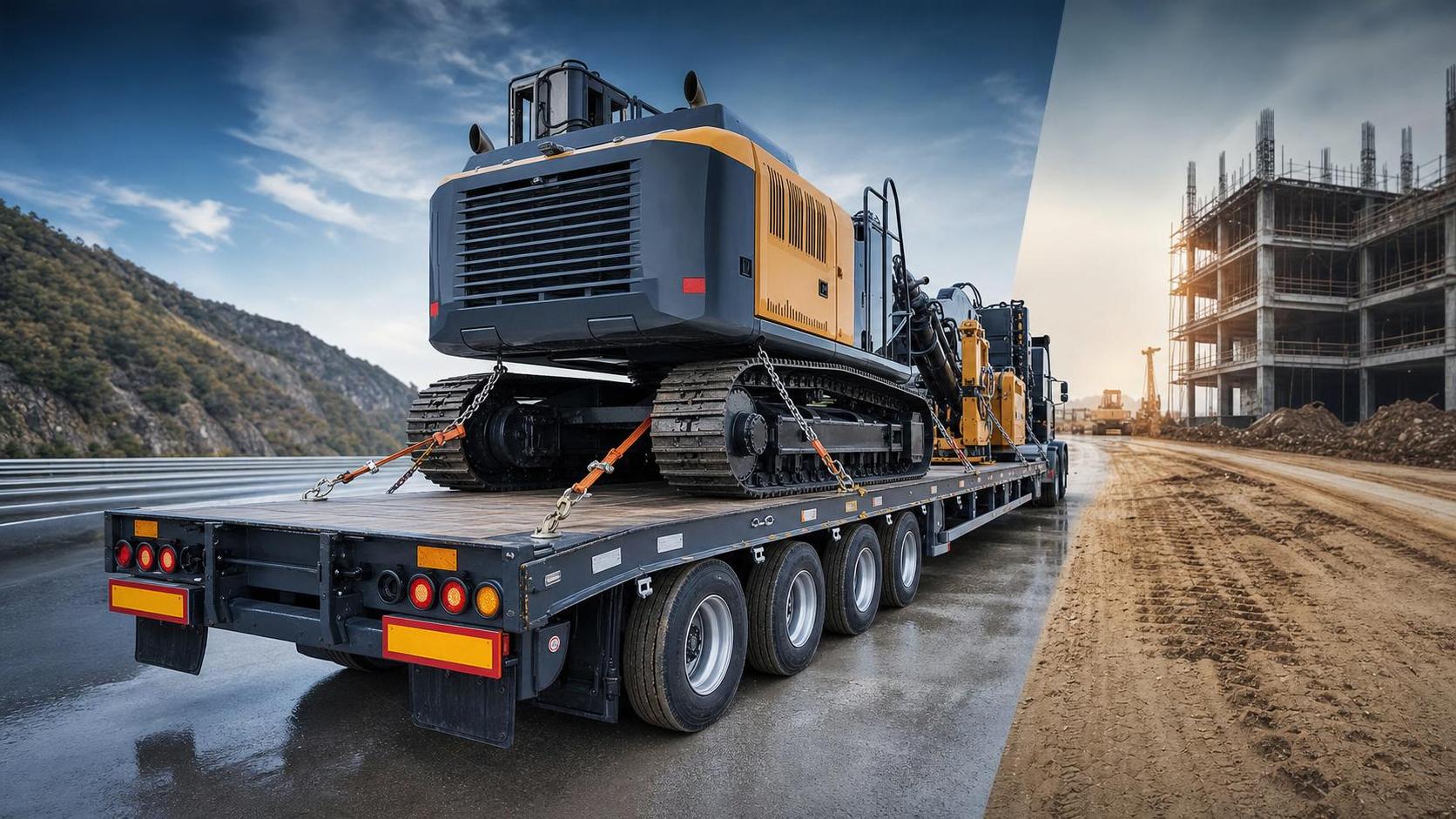
Why a Flatbed Semi-Trailer Becomes Expensive Faster Than Expected
A Flatbed Semi-Trailer rarely turns costly because of one major failure. More often, costs rise through small mistakes that seem harmless during daily operation.
Uneven tire wear, deck damage, loose fasteners, poor load restraint, and delayed inspections all add pressure to operating budgets.
In engineering vehicle transport, these issues do not stay isolated. One missed check can lead to downtime, cargo claims, roadside repair, or delivery disruption.
That is why a Flatbed Semi-Trailer should be managed by use condition, not only by age or mileage. Different routes and loads create very different wear patterns.
In real fleet operations, the most practical approach is to connect maintenance routines with actual transport scenarios and service intensity.
The Same Flatbed Semi-Trailer Does Not Face the Same Risks Everywhere
A trailer hauling steel coils on paved highways ages differently from one carrying machinery into quarry roads or construction access lanes.
The first case usually stresses braking consistency, axle alignment, and deck point loading. The second often exposes suspension parts, tires, lighting, and fasteners to harsher shock.
This difference matters because many operating mistakes start with a wrong assumption: if two jobs use a Flatbed Semi-Trailer, they must need the same inspection focus.
They do not. Load type, road condition, loading frequency, and climate all change the maintenance priority list.
Where supply reliability matters, stable parts access also shapes cost control. This is one reason exporters with organized inventory, 4S service networks, and after-sales coordination add practical value beyond delivery.
Highway Haul Jobs Usually Hide Tire and Alignment Mistakes
For long-distance paved transport, tire cost often becomes the first visible loss. Yet the real problem is usually earlier in the chain.
A Flatbed Semi-Trailer running long highway routes needs disciplined checks on axle alignment, brake balance, air pressure, and hub temperature trends.
When these checks are skipped, tire shoulder wear appears gradually. Fleets sometimes replace tires repeatedly without correcting the cause.
Another common mistake is assuming that a lightly damaged deck or side accessory can wait. On highway runs, vibration accumulates over time and turns minor looseness into parts loss.
A better practice is to combine weekly visual checks with scheduled measurement. Tire wear patterns should be recorded, not judged by memory.
What usually deserves attention first
- Axle tracking and suspension geometry after heavy braking events.
- Consistent tire inflation based on actual payload, not a fixed default value.
- Brake drag, heat build-up, and uneven lining wear.
- Loose lighting brackets, marker wiring, and deck hardware.
Rough-Site Transport Creates a Different Cost Pattern
A Flatbed Semi-Trailer working around mines, infrastructure projects, or temporary industrial yards faces more impact loading and surface contamination.
Here, the expensive mistakes are not limited to tires. Cracked weld areas, damaged air lines, bent landing gear, and corroded connectors appear more often.
In these conditions, washing and cleaning are not cosmetic tasks. Mud, cement residue, and gravel can hide structural fatigue or trap moisture around critical points.
One misjudgment is to use highway maintenance intervals for mixed-road service. That usually stretches inspections too far and raises repair severity.
Another is focusing only on chassis strength while ignoring cargo restraint wear. Chains, hooks, lashing points, and winches degrade faster on abrasive sites.
In this setting, operating cost rises through
- More frequent underbody impact and hidden frame stress.
- Contamination around brake and suspension components.
- Accelerated wear on restraint tools and deck contact zones.
- Unexpected downtime caused by missed cleaning and inspection windows.
When Cargo Changes Often, Mistakes Usually Start With Load Planning
Not every Flatbed Semi-Trailer carries the same equipment each week. Mixed cargo operations create a more complex maintenance picture.
Transporting pipes, prefabricated parts, generators, or compact machinery demands different contact protection and restraint layouts.
The costly mistake here is treating every load as a tie-down problem only. In practice, deck protection, weight distribution, and friction control matter just as much.
Repeated point loading in the wrong areas shortens deck life. Improper blocking can also shift force toward cross-members not designed for concentrated pressure.
A Flatbed Semi-Trailer used for varied engineering cargo needs a documented loading map, not just experienced judgment from the yard.
This kind of comparison helps prevent a familiar mistake: buying or maintaining a Flatbed Semi-Trailer by headline specification alone.
The Most Common Misjudgments Usually Appear Before a Failure
In many fleets, operating cost rises long before anyone labels the trailer as unreliable. The warning signs are often visible, but wrongly interpreted.
One example is judging trailer condition only by whether it is still moving normally. That ignores wear that reduces service life quietly.
Another is prioritizing purchase price over maintenance access. A Flatbed Semi-Trailer with weak parts support can become expensive even if initial cost looks attractive.
This is especially relevant in export operations. Documentation accuracy, spare parts coordination, and service response affect downtime just as much as hardware quality.
Companies with broad authorized channels, stable vehicle stock, and organized after-sales systems often help reduce lifecycle uncertainty, not only delivery lead time.
- Assuming similar loads create identical restraint needs.
- Using one inspection cycle for all routes and surfaces.
- Replacing worn parts without tracing root cause.
- Ignoring small deck, wiring, or fastener defects after each trip.
- Looking at acquisition cost without modeling downtime and repair access.
Practical Ways to Lower Flatbed Semi-Trailer Operating Costs
The most effective cost control measures are usually simple, but they need discipline and scenario-based timing.
Start by separating trailers according to duty profile. A Flatbed Semi-Trailer on stable roads should not follow the same checklist as one serving rough engineering routes.
Then build inspections around failure triggers, not generic calendar dates alone. Heat, vibration, moisture, and concentrated loading are useful planning signals.
For fleets involved in cross-border or international delivery, it also helps to confirm support conditions before deployment. Parts access, technical documents, and customs coordination influence repair timing.
That full-process view is often where experienced exporters such as Shandong Livol Truck International Trade Co., Ltd. make operations smoother, especially when customization and after-sales support must align.
Useful actions that usually pay back quickly
- Create route-based maintenance intervals for each Flatbed Semi-Trailer.
- Track tire wear by position and compare it with alignment history.
- Inspect tie-down tools and deck stress points after heavy or irregular cargo.
- Clean underbody and brake areas immediately after muddy or corrosive jobs.
- Confirm spare parts lead time before expanding into new operating regions.
What to Review Before the Next Operating Cycle
A Flatbed Semi-Trailer performs best when maintenance decisions follow actual service conditions, not assumptions copied from another route or cargo type.
The useful question is not whether the trailer is generally durable. It is whether inspection focus matches the way that trailer is really being used.
Review the route surface, load pattern, restraint method, maintenance interval, and support availability together. That is usually where hidden cost starts or stops.
When those factors are clear, it becomes easier to set practical standards, reduce avoidable repair, and extend the working life of each Flatbed Semi-Trailer.
Search Starts Here