News
Skeleton (Container) Semi-Trailer Buying Checklist for Port and Logistics Use
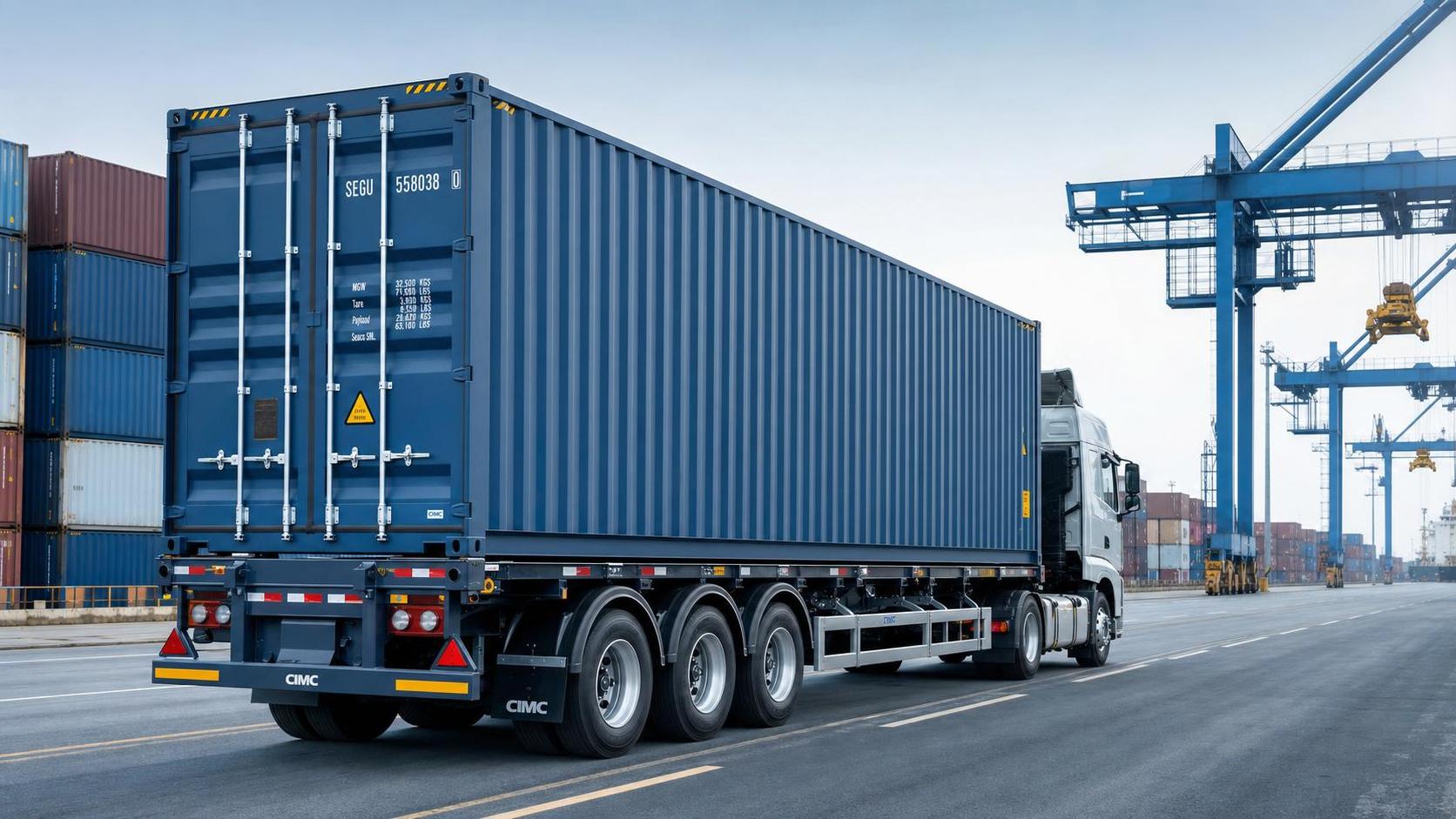
Choosing the right Skeleton (Container) Semi-Trailer is critical for port and logistics operators who need efficient container transport, high load reliability, and long-term cost control.
A clear checklist makes procurement decisions faster and more defensible. It also reduces hidden operating risks that often appear after delivery, not before purchase.
In real operations, a Skeleton (Container) Semi-Trailer works under pressure. It moves heavy containers, handles rough yard roads, and faces constant loading cycles every day.
That means the lowest quotation is rarely the best value. The better choice is the trailer that matches route conditions, loading habits, compliance needs, and maintenance capacity.
Start With the Actual Transport Task
Before comparing suppliers, define how the Skeleton (Container) Semi-Trailer will be used. This step sounds basic, but it shapes every later decision.
- What container sizes will be moved most often: 20ft, 40ft, or mixed loads?
- Will the trailer run inside ports only, or also on public highways?
- Are road surfaces smooth, uneven, muddy, or heavily congested?
- How many trips per day are expected under normal operations?
- Will weight limits vary by country, terminal, or customs route?
A short-haul port trailer and a regional logistics trailer may look similar, but their cost logic can be very different.
For example, frequent stop-and-go work increases wear on axles, brakes, tires, and locking points. Longer routes make fuel efficiency, frame stability, and parts supply more important.
Confirm the Right Skeleton (Container) Semi-Trailer Configuration
The configuration should support the container mix, expected payload, and local transport rules. A mismatch here usually creates extra cost for years.
Key specification points to verify
- Trailer length and compatibility with 20ft, 40ft, or 45ft containers.
- Number of axles and rated axle load.
- Suspension type: mechanical or air suspension.
- Twist lock layout and locking reliability.
- Landing gear strength for repeated terminal handling.
- Brake system specification and compatibility with tractor units.
- Tire size, brand options, and replacement availability.
Many buyers focus on nominal load capacity only. A better signal is whether the full chassis system stays stable under repetitive, uneven, real-world loading.
If operations include mixed container sizes, ask whether the Skeleton (Container) Semi-Trailer supports flexible positioning without slowing loading efficiency.
Check Frame Strength and Material Quality
For a Skeleton (Container) Semi-Trailer, frame quality is not a brochure detail. It is the core factor behind service life, repair frequency, and resale value.
Pay close attention to the main beam design, steel grade, welding process, and anti-corrosion treatment. These areas directly affect fatigue resistance.
What to inspect during evaluation
- Main beam dimensions and reinforcement structure.
- Use of high-strength steel and material traceability.
- Welding consistency in stress concentration areas.
- Shot blasting, painting, or galvanizing process.
- Corrosion resistance for coastal and humid environments.
Port operations often expose trailers to salt, moisture, and frequent impact. A cheaper finish may look acceptable at delivery, then deteriorate quickly within one operating cycle.
Ask for production photos, welding details, and quality inspection records. If possible, request reference units already running in similar logistics environments.
Review Compliance and Local Road Requirements
A Skeleton (Container) Semi-Trailer may be technically suitable but still create delays if local compliance details are missed.
This is especially important when the trailer will cross borders, serve bonded zones, or operate between port terminals and inland yards.
Common compliance checkpoints
- Overall dimensions allowed in the destination market.
- Maximum legal payload and axle load regulations.
- Lighting, reflective markings, and braking standards.
- Required certification, VIN registration, and customs documents.
- Special rules for port equipment and highway dual-use trailers.
A small compliance gap can block registration, delay delivery, or force rework after arrival. Those costs are usually much higher than preventive checking.
Calculate Total Cost, Not Just Purchase Price
Cost-focused procurement should look beyond the factory quote. The real value of a Skeleton (Container) Semi-Trailer appears across its full operating life.
A trailer with a lower purchase price may still cost more through tire wear, welding repairs, downtime, or weak parts availability.
In practice, lifecycle cost often matters more than a discount on day one. That is where supplier quality and after-sales support become commercial factors, not service extras.
Assess Supplier Strength and Delivery Reliability
A good Skeleton (Container) Semi-Trailer also depends on a capable supplier. Procurement risk increases when production, documentation, and delivery control are weak.
A reliable exporter should provide clear technical communication, realistic lead times, and stable support before and after shipment.
Supplier checklist
- Can the supplier explain configuration trade-offs clearly?
- Do they have export experience in your destination region?
- Can they provide inspection records and packing details?
- Do they support customization for local operating needs?
- Is after-sales response structured, documented, and fast?
Shandong Livol Truck International Trade Co., Ltd. brings value here through strong channel resources, stable inventory, and full-process export service.
Based in Shandong, China, the company is an official authorized domestic and overseas dealer for FOTON, SHACMAN, and SINOTRUK.
It operates multiple authorized 4S stores across China and maintains sufficient stock for steady supply and faster delivery scheduling.
Its export team supports vehicle selection, customization, documentation, customs clearance, and logistics coordination, which helps reduce procurement friction.
Use a Practical Buying Checklist Before Final Approval
Before placing an order, run one final review. This keeps the Skeleton (Container) Semi-Trailer decision grounded in operating facts rather than sales language.
- Match trailer configuration to container type, route, and loading frequency.
- Verify frame material, welding quality, and corrosion protection.
- Confirm legal dimensions, axle limits, and required certifications.
- Compare maintenance cost and parts availability, not just unit price.
- Review supplier export capability, service scope, and delivery record.
- Request clear specifications, drawings, and pre-shipment inspection evidence.
A well-chosen Skeleton (Container) Semi-Trailer supports faster turnaround, lower operating interruptions, and better long-term asset control.
When the checklist is handled carefully, procurement becomes simpler, more predictable, and easier to justify from both cost and performance angles.
The next practical step is to compare shortlisted suppliers against this checklist and request a tailored Skeleton (Container) Semi-Trailer proposal based on actual route conditions.
Search Starts Here