News
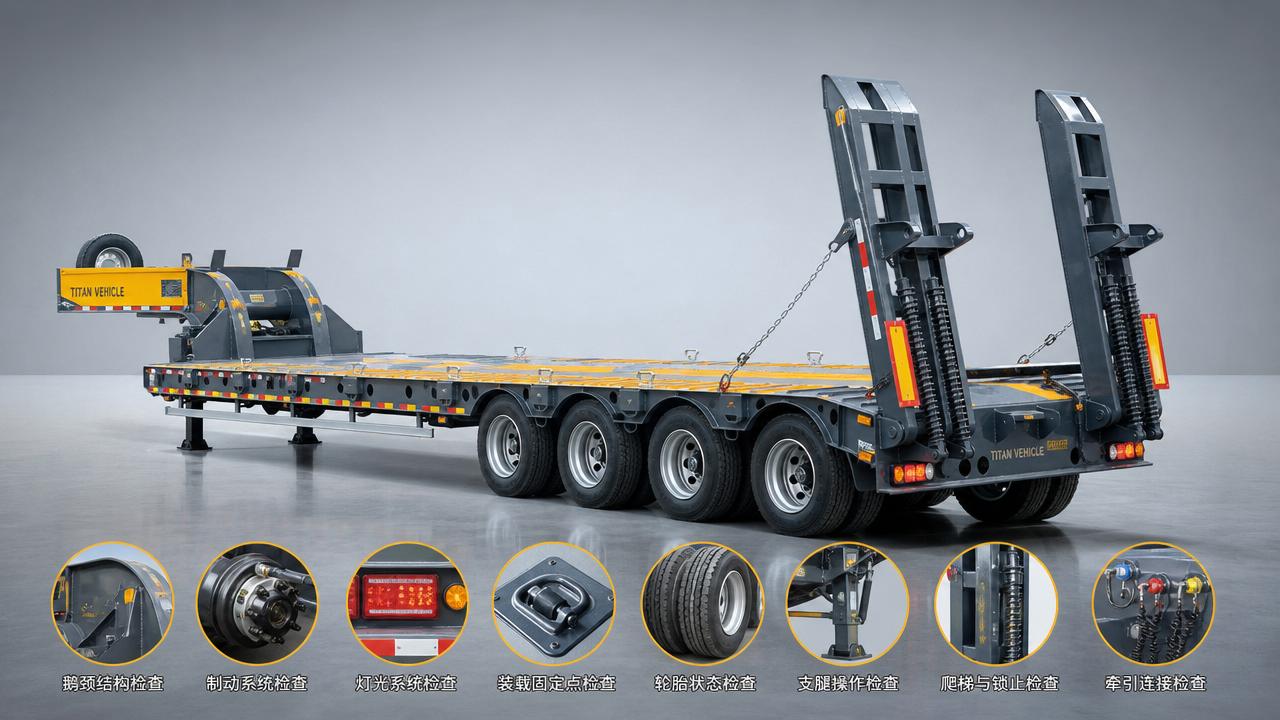
Before putting a Low Plate trailer into service, quality and safety teams must verify every critical point that affects roadworthiness, load stability and operating compliance. From structural integrity and braking performance to tire condition, coupling security and lighting systems, a thorough pre-service review helps reduce risk, prevent costly downtime and ensure safe transport operations from the very first trip.
What does a pre-service safety review for a Low Plate trailer actually cover?
A pre-service review is much more than a routine walk-around. For quality control personnel and safety managers, it is a structured verification process that confirms whether a Low Plate trailer is mechanically sound, legally compliant, and operationally fit for its intended load profile. Because these trailers are commonly used for engineering vehicles, construction machinery, heavy equipment and oversized cargo, the consequences of a missed defect can be severe.
In practice, the review should examine the trailer as a complete system: frame, gooseneck, deck, suspension, axle alignment, braking circuits, tires, rims, kingpin or coupling parts, electrical wiring, lights, reflective markings, safety accessories and load securing points. It should also confirm that technical documents, inspection records and manufacturer specifications match the actual unit delivered to site or customer.
For a Low Plate trailer, the low deck height is a core functional advantage, but it also means special attention must be paid to ground clearance, structural stress concentration and ramp operation safety. A trailer that looks acceptable at first glance may still present hidden risks if welds, air lines, hydraulic components or support legs were not fully inspected before use.
Why is the structural inspection of a Low Plate trailer the first priority?
The structure carries the entire working risk of the trailer. If the chassis, main beams or cross members are compromised, no braking upgrade or new tire set can compensate for that weakness. This is why structural review should come first in any Low Plate acceptance checklist.
Safety teams should inspect all major load-bearing sections for cracks, deformation, poor weld penetration, corrosion, unauthorized repair marks and paint blistering that may hide metal fatigue. Areas around the gooseneck, axle mounts, landing gear brackets, ramp hinges and deck transitions deserve especially close attention because these points often absorb concentrated load and impact forces during loading and transport.
A good review also compares the trailer’s rated capacity with the expected transport tasks. A Low Plate trailer designed for one category of machinery may not be suitable for repeated transport of denser or poorly balanced equipment. Engineers and quality managers should verify not only the stated tonnage, but also how the weight will be distributed across the deck and axles in real use.
- Check main beams and cross members for cracks, twists and visible fatigue.
- Inspect welding quality at stress points and joints.
- Confirm ramps, hinges and locking devices operate smoothly and lock securely.
- Review landing gear stability and lifting performance.
- Verify deck surface condition, anti-slip performance and lashing point integrity.
Which braking, suspension and tire checks are essential before the first trip?
Braking and running gear checks directly affect whether a Low Plate trailer can stop safely, track correctly and protect cargo stability on uneven roads. This is especially important in engineering vehicle transport, where loads can be high, dynamic and difficult to rebalance once on route.
Start with the braking system. Inspect air lines, connectors, chambers, valves and reservoirs for leakage, damage or poor installation. Brake response should be even across axles, and parking brake performance must be validated under load simulation where possible. If ABS or other control systems are specified, electrical communication and warning indicators should be tested rather than assumed to work.
Next, review the suspension and axles. Uneven ride height, damaged bushings, loose fasteners or abnormal wear patterns may indicate alignment issues or overload history. For a Low Plate trailer, poor suspension condition can reduce load stability, increase tire wear and place extra stress on the frame during cornering or rough-site access.
Tires deserve their own inspection standard. Verify tire size, load rating, tread depth, air pressure and manufacturing condition. Teams should not focus only on visible tread; sidewall cuts, bead damage, aging cracks and mismatched specifications across axles can all undermine safety. Wheel nuts should be torqued to standard, and rims must be checked for deformation, corrosion and seating defects.
How should coupling, electrical systems and safety devices be verified?
A Low Plate trailer is only as safe as its connection to the tractor unit and the integrity of its support systems. Coupling failures, light outages or weak safety accessories are common root causes behind preventable incidents, especially during the first stage of service when teams may still be validating a new delivery or recently customized unit.
The kingpin, fifth-wheel contact area or other coupling arrangement should be inspected for fit, wear, lubrication condition and locking confirmation. Air and electrical connections must be secure, correctly routed and protected from abrasion during turns. If the trailer includes hydraulic ramps, steering functions or lifting features, all hoses, cylinders and control devices should be tested under operating conditions, not only visually checked.
Lighting and signaling systems are equally important for road legality and operational safety. Confirm the performance of tail lamps, brake lamps, turn indicators, side markers, reflectors, license plate lights and any wide-load warning equipment required in the target market. Wiring harnesses should be fixed properly and shielded from vibration and debris impact.
Do not overlook basic safety equipment. Wheel chocks, fire extinguisher provisions, warning triangles, reflective tape, mudguards and underrun protection all contribute to risk control. For safety managers, these details are not optional extras; they are part of the service readiness decision.
What documents and compliance points should quality teams confirm before release?
Even a technically sound Low Plate trailer should not enter service without document verification. In export-oriented and cross-border transport operations, paperwork errors can lead to inspection delays, liability exposure and operational interruption. The review should confirm the trailer identification number, specification sheet, axle and tire data, load rating, maintenance instructions and any certification required by the destination market.
Quality teams should also compare actual configuration against purchase requirements or tender documents. This includes deck dimensions, axle quantity, suspension type, ramp specification, braking configuration and optional accessories. A mismatch between ordered and delivered configuration may not be obvious until the trailer is assigned to a real cargo task.
If the Low Plate trailer is being prepared for international delivery, packaging condition, handover records, pre-delivery inspection reports and spare parts lists should also be reviewed. Professional exporters such as Shandong Livol Truck International Trade Co., Ltd. can support customers with model confirmation, customization review, export documents, logistics coordination and after-sales communication, which helps quality and safety teams reduce uncertainty before units are commissioned in the field.
What are the most common mistakes when approving a Low Plate trailer for use?
One common mistake is treating the pre-service check as a transport formality rather than a risk-control process. A Low Plate trailer may be brand new, but shipping, storage, last-minute modifications or assembly errors can still create problems before first use.
Another frequent error is focusing only on static condition. Many defects appear only during functional testing: ramps that do not lock under load, air systems that leak after pressure build-up, lights that fail under vibration, or suspension components that shift when the trailer starts moving. Quality control teams should therefore combine visual inspection with operational testing.
A third mistake is ignoring the actual cargo scenario. Not every Low Plate trailer is suitable for every engineering transport task. Deck length, axle spacing, neck design, loading angle and securing layout must match the equipment being moved. If the trailer is used for excavators, rollers, pavers or other construction machines, the review should assess machine dimensions, track or wheel contact zones, center-of-gravity position and tie-down strategy.
Finally, some teams release the trailer without a clear inspection record. That weakens traceability and makes it harder to improve future purchasing and maintenance decisions. A signed checklist, issue log and corrective action record should always be part of the approval process.
What should a practical Low Plate trailer review table include?
To make decisions faster and more consistent, many safety managers use a simple readiness table during incoming inspection or first-use approval. The table below summarizes key checkpoints for a Low Plate trailer and the purpose of each review item.
How can companies make Low Plate trailer commissioning more reliable over the long term?
The most effective approach is to standardize the review process instead of relying on personal experience alone. Build a commissioning checklist for each Low Plate trailer type, link it to cargo categories, and require sign-off from both quality control and safety management. Where possible, include photo records, brake test results, torque records and document copies.
It is also wise to align procurement, engineering and operations teams before the trailer arrives. That ensures the selected configuration truly matches the transport mission. In the engineering vehicle sector, details such as axle layout, deck size, ramp form and suspension type have direct impact on real operating safety, maintenance cost and route flexibility.
Supplier capability matters as well. A reliable exporter with strong stock availability, authorized brand resources, customization support and export execution experience can reduce delays and improve consistency from factory handover to destination delivery. For buyers handling FOTON, SHACMAN, SINOTRUK and other commercial vehicle requirements alongside trailer procurement, integrated support can simplify the entire readiness process.
If you need to confirm a specific Low Plate solution, it is best to first discuss load type, axle requirement, deck dimensions, destination regulations, spare parts support, delivery timing and inspection standards. These points help determine not only which trailer to choose, but also how to put it into service safely, efficiently and with fewer operational surprises.
Search Starts Here