
News
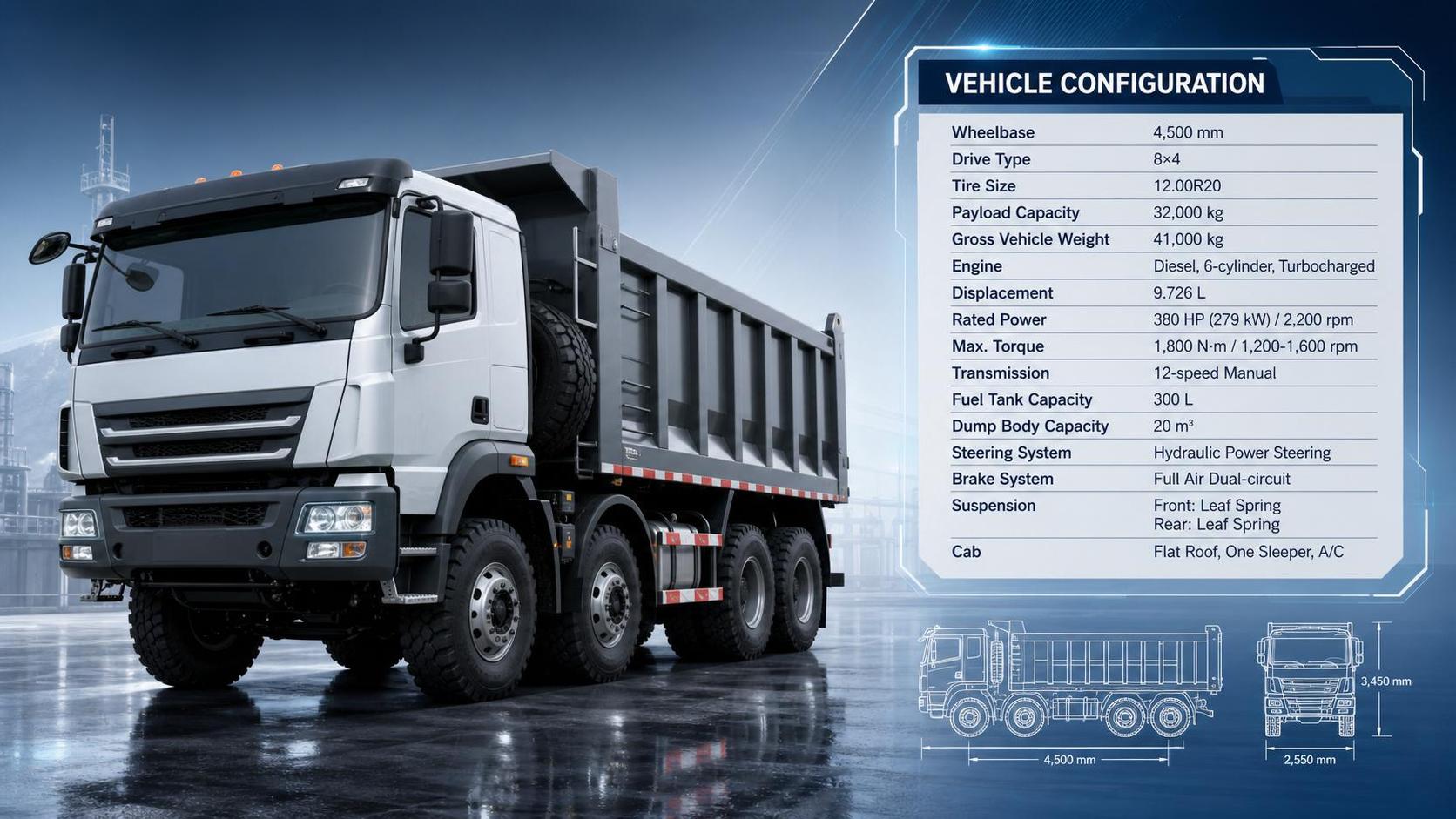
Why does a Cangshan Vehicle Configuration List matter so much in engineering vehicle evaluation?
A Cangshan Vehicle Configuration List is more than a specification sheet. It is the quickest way to see whether a truck matches workload, road conditions, legal limits, and operating cost targets.
In engineering vehicle procurement, small details often change the real value of an offer. An axle ratio that looks minor on paper can affect climbing ability, fuel use, and average cycle time.
The same applies to suspension, body dimensions, engine output, emission level, and brake system. Missing one line in the Cangshan Vehicle Configuration List can lead to a truck that works, but not efficiently.
That is why experienced exporters and dealers usually review configuration lists line by line before discussing price. In actual cross-border projects, this reduces rework, documentation delays, and mismatch after delivery.
For companies handling Chinese commercial vehicles such as FOTON, SHACMAN, and SINOTRUK, a disciplined reading method is especially useful because model families can look similar while carrying very different operating capabilities.
When reading the Cangshan Vehicle Configuration List, where should you start?
The best starting point is not the engine. It is the vehicle identity block. This section confirms the model code, drive type, cab version, wheelbase, and intended vehicle category.
If those basics are misunderstood, later comparisons become unreliable. A dump truck, mixer chassis, and cargo chassis may share a brand family, yet serve very different engineering applications.
After that, move to the load-related lines. These usually include GVW, curb weight, payload rating, axle capacity, and body dimensions. Together, they show whether the truck can legally and practically carry the required volume.
Then check the powertrain block. Focus on engine model, horsepower, torque, transmission type, axle ratio, and tire specification. These figures explain how the truck behaves under load, not just how it looks in a brochure.
A useful reading order is this:
- Vehicle identity and intended application
- Weights, dimensions, and axle limits
- Engine, gearbox, and driveline
- Braking, suspension, and tires
- Cab, safety, and optional equipment
- Compliance, documentation, and delivery notes
This sequence makes the Cangshan Vehicle Configuration List easier to interpret because it follows operational logic, not catalog order.
Which specifications are most often misunderstood or underestimated?
The most common mistake is treating horsepower as the main decision point. In engineering vehicles, torque, gearing, and axle ratio usually matter just as much, and sometimes more.
Another overlooked item is wheelbase. A longer wheelbase may improve body fit and straight-line stability, but it can reduce maneuverability on tight construction sites or uneven access roads.
Payload also needs careful reading. The rated figure on the Cangshan Vehicle Configuration List should be checked against body material, optional equipment, fuel tank size, and local road rules.
Emission standard is another practical issue. If the target market requires a specific level, a mismatch can affect customs clearance, registration, and total project timing.
Below is a quick reference table that helps separate headline specs from decision-critical specs.
In short, the Cangshan Vehicle Configuration List should be read as an operating profile, not only a product summary.
How do you tell whether the listed configuration fits the actual job?
A good evaluation links every key line in the Cangshan Vehicle Configuration List to a real task. Site hauling, municipal work, mining support, and regional transport all place different demands on the same chassis family.
For example, a higher payload target may look attractive. Yet if the route includes steep grades, soft ground, or frequent stop-start cycles, drivetrain tuning may become more important than maximum nominal payload.
A practical approach is to compare the list against five operating questions:
- What material will the vehicle carry, and what is its density?
- How far is each cycle, and on what road quality?
- How often does the vehicle stop, climb, reverse, or idle?
- What legal weight and dimension limits apply locally?
- Which service parts must be easy to source after delivery?
This is where experienced supply partners add value. Exporters with broad stock access, authorized dealership backing, and multi-brand familiarity can usually identify when two similar-looking specifications produce very different field results.
In practice, companies such as Shandong Livol Truck International Trade often support this stage by aligning vehicle selection, customization, documents, and logistics around the actual duty cycle rather than catalog language alone.
What red flags in a Cangshan Vehicle Configuration List should not be ignored?
Some warning signs are obvious, such as missing emission data or unclear axle load ratings. Others are quieter and easier to miss during early comparison.
One red flag is a configuration list that gives broad model descriptions but limited component detail. If the gearbox, axle brand, suspension type, or brake system is not clearly stated, later assumptions can create disputes.
Another is inconsistency between dimensions and payload claims. If body size, curb weight, and rated load do not appear balanced, the truck may rely on an unrealistic loading assumption.
Watch for optional items that materially change performance. Tires, cargo body material, PTO arrangement, fuel tank volume, and differential lock can all shift operating suitability.
The following checklist helps catch common risks before negotiations move too far:
- Unclear engine or transmission code
- No confirmation of compliance standard
- Axle capacities that do not match intended loading
- Tire size uncommon in the destination market
- Cab or chassis options shown as standard without proof
- Missing delivery scope for tools, spares, or manuals
Need to compare several offers? Keep one standardized review sheet. That makes each Cangshan Vehicle Configuration List easier to judge on the same commercial basis.
How should cost, lead time, and after-sales support be read behind the specs?
The Cangshan Vehicle Configuration List does not state total lifecycle cost directly, but it gives many clues. Powertrain complexity, tire size, emission system type, and cabin electronics all influence maintenance planning.
Lead time can also hide behind configuration choices. Standard stock units often move faster than heavily customized trucks. That matters when project startup dates are fixed and customs paperwork must stay on schedule.
Supportability matters just as much as price. A vehicle with strong parts access and documented export handling may outperform a cheaper unit that creates downtime or clearance problems later.
This is one reason buyers often prefer supply partners with authorized brand resources, stable inventory, and export experience across documentation, customs clearance, and logistics. It lowers execution risk beyond the vehicle itself.
When reviewing the Cangshan Vehicle Configuration List, ask for these practical confirmations:
- Which items are standard, optional, or substituted by availability?
- What is the expected production or dispatch timeline?
- Which spare parts are recommended for first shipment?
- What documents are included for import and registration?
- How is after-sales support handled after arrival?
What is the smartest next step after reviewing the configuration list?
Once the Cangshan Vehicle Configuration List has been checked, the next step is to convert specifications into a decision sheet. That means linking each key parameter to payload, route condition, compliance, serviceability, and budget impact.
A shortlisting process usually works better than searching for one perfect figure. In real engineering vehicle selection, the best option is often the one with the most balanced fit, not the highest headline number.
If several Chinese truck brands or chassis variants are under review, keep the comparison disciplined. Use the same structure for every Cangshan Vehicle Configuration List and confirm unclear items before discussing final commercial terms.
That simple habit helps avoid missed specs, false comparisons, and unnecessary downstream cost. It also makes discussions with exporters, dealers, and logistics teams much more efficient.
A careful reading of the Cangshan Vehicle Configuration List is not a paperwork exercise. It is a practical filter for choosing engineering vehicles that can perform, clear compliance, and hold value throughout service life.
Search Starts Here