
News
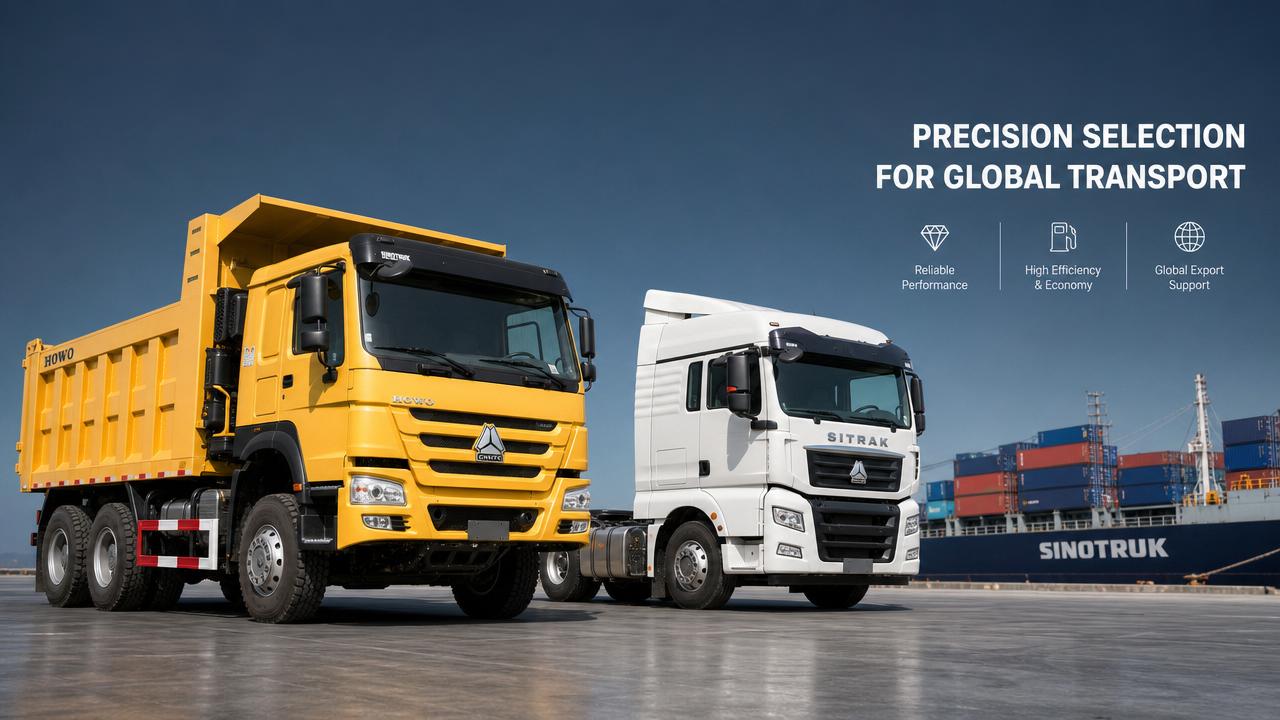
For dealers, distributors, and agents handling multiple truck models, the Cangshan Vehicle Configuration List offers a practical way to compare specifications, avoid mismatches, and make faster decisions. By turning complex configuration data into a clear reference, it helps reduce model selection errors, improves communication with buyers, and supports more accurate commercial vehicle recommendations in competitive export markets.
Why scenario differences matter in commercial vehicle selection
In engineering vehicle sales, model selection errors rarely come from a lack of effort. More often, they happen because the same truck platform can be offered with different engines, driveline ratios, axle capacities, tire specifications, cab options, emission standards, cargo body dimensions, and market-specific compliance features. For a dealer serving different countries or project types, one wrong assumption can lead to delayed delivery, an unsuitable truck recommendation, or costly reconfiguration after order confirmation.
That is why the Cangshan Vehicle Configuration List becomes especially valuable when decisions must be made across multiple business scenarios. A distributor supplying dump trucks for mining sites will not evaluate configurations the same way as an agent serving municipal construction fleets or road logistics contractors. The list helps teams move from vague model names to exact configuration matching, which is the basis for reliable quoting, procurement, and export planning.
For overseas channel partners, this matters even more. Buyers may describe needs based on local habits instead of technical language. They may say they need a “heavy-duty construction truck” without specifying axle load, horsepower range, suspension preference, or gearbox type. A clear Cangshan Vehicle Configuration List helps bridge this gap by translating application needs into concrete specifications that can be checked, compared, and approved before production or shipment.
Where the Cangshan Vehicle Configuration List is most useful
The value of the Cangshan Vehicle Configuration List is not limited to one single stage of the transaction. It supports several high-risk moments where model selection errors commonly occur. Understanding these scenarios helps dealers and agents use it more effectively.
1. Multi-brand comparison during customer inquiry
When customers compare FOTON, SHACMAN, SINOTRUK, or other engineering vehicle options, sales teams need a structured way to explain differences beyond price. The Cangshan Vehicle Configuration List allows side-by-side comparison of core parameters, making it easier to identify whether two vehicles are truly comparable or only appear similar at a glance.
2. Export orders with country-specific compliance needs
In export business, local regulations may affect engine standards, lighting, safety equipment, steering orientation, or chassis details. The Cangshan Vehicle Configuration List helps verify whether the selected vehicle fits destination market requirements before documentation and shipment begin.
3. Fleet tenders and project-based procurement
Large contractors and fleet buyers often request a specific operating capability rather than a fixed model. For example, they may need trucks suitable for quarry hauling, short-distance urban earthwork, or mixed road-and-site transport. The configuration list helps convert project requirements into a repeatable model filtering process.
4. Internal coordination between sales, procurement, and logistics teams
Many errors happen after the customer says yes. Sales may confirm one configuration, procurement may reserve a similar but different stock unit, and logistics may prepare export papers based on outdated specifications. With a standardized Cangshan Vehicle Configuration List, all departments can reference the same technical baseline.
Scenario comparison: what different buyers should focus on
Not every buyer should read the Cangshan Vehicle Configuration List in the same way. The right focus depends on the final operating scenario, maintenance conditions, driver habits, and budget structure.
How to use the Cangshan Vehicle Configuration List in typical application scenarios
Scenario A: Recommending vehicles to first-time overseas buyers
New buyers often focus on visible indicators such as appearance, payload, or horsepower. However, experienced dealers know that hidden configuration details determine whether the truck will actually perform well in the target environment. In this situation, the Cangshan Vehicle Configuration List should be used as an educational tool. Instead of sending only brochures, sales teams can walk the buyer through engine output, axle ratio, chassis layout, and optional equipment based on road conditions, load frequency, and maintenance resources.
This approach helps prevent a common mistake: choosing an impressive specification that does not match local fuel quality, workshop capability, or spare parts availability. For first-time importers, configuration clarity builds confidence and reduces back-and-forth revisions.
Scenario B: Managing distributor stock for faster turnover
A distributor may not know in advance which exact end customer will buy each truck. In this case, the Cangshan Vehicle Configuration List supports inventory planning by identifying versatile configurations that fit the widest range of applications. Dealers can compare which chassis, cab, and powertrain combinations are accepted by more than one buyer segment.
For example, a stock unit intended for both construction transport and infrastructure subcontractors should avoid overly specialized settings unless there is confirmed demand. The list helps decision-makers distinguish between flexible stock models and project-only models, reducing inventory risk.
Scenario C: Bidding for project fleets with tight technical requirements
Project procurement usually requires precision. Tender documents may specify payload range, axle arrangement, dumping structure, safety systems, or legal certifications. Here, the Cangshan Vehicle Configuration List works as a verification tool. Before quote submission, the dealer can map tender requirements line by line against actual available configurations.
This is especially important when multiple truck brands or model codes are involved. A truck may look suitable commercially but fail technically because one key item is missing. A disciplined review using the configuration list protects both pricing credibility and contract execution.
What details vary most by scenario
The Cangshan Vehicle Configuration List is most effective when users know which parameters deserve extra attention in each application. The following differences often decide whether a recommendation is accurate.
Powertrain matching
Engine horsepower alone is not enough. Dealers should check torque output, transmission type, and axle ratio together. In hilly areas, heavy off-road operation, or stop-start site work, improper matching causes fuel waste and poor climbing performance. The configuration list makes these relationships easier to compare.
Load and structure suitability
A truck selected for harsh engineering use must have the right frame strength, suspension setup, and axle specification. If the buyer’s actual loading pattern is underestimated, maintenance costs will rise quickly. The Cangshan Vehicle Configuration List helps sales teams move from generic payload claims to a more realistic structural assessment.
Regional compliance and operating conditions
Markets differ in emission rules, road limits, fuel quality, and driver preferences. A model that works well in one country may require changes for another. Using the Cangshan Vehicle Configuration List early in the deal helps confirm compliance-related details before the order becomes difficult to modify.
Common misjudgments the configuration list can prevent
Even experienced agents can make avoidable errors when decisions are made too quickly. The Cangshan Vehicle Configuration List reduces several recurring misjudgments.
- Assuming the same model name means the same specification across batches or markets.
- Comparing trucks by price without confirming equivalent configuration levels.
- Focusing on payload and engine output while ignoring axle ratio, suspension, and tire fitment.
- Selecting stock units that are hard to resell because they are too narrowly configured.
- Overlooking destination-country requirements until document preparation or customs handling begins.
In practical terms, the list introduces discipline. It encourages teams to verify before promising, compare before ordering, and confirm before shipping. For export-oriented engineering vehicle business, these habits directly improve customer satisfaction and reduce post-sales disputes.
How dealers and agents can build a better decision process
To get the most from the Cangshan Vehicle Configuration List, companies should not treat it as a static document. It works best as part of a repeatable sales and procurement workflow.
As an official authorized domestic and overseas dealer for FOTON, SHACMAN, and SINOTRUK, Shandong Livol Truck International Trade Co., Ltd. is in a strong position to support this process. With authorized 4S resources, sufficient vehicle inventory, export coordination experience, and full-process service from selection to logistics, the company can help channel partners use configuration data more accurately and convert it into workable delivery solutions.
FAQ about using the Cangshan Vehicle Configuration List
Is the Cangshan Vehicle Configuration List only useful for technical teams?
No. It is equally useful for sales managers, distributors, and procurement staff because it improves communication and creates a common basis for decision-making. Technical teams may read it in more detail, but commercial teams benefit from the clarity.
Can it help with faster quotation response?
Yes. When the Cangshan Vehicle Configuration List is organized properly, dealers can quickly narrow suitable options, explain differences confidently, and avoid repeated quotation corrections caused by hidden specification mismatches.
What if the buyer is unsure about the exact application?
That is where the list is most useful. Start with the operating scenario, such as mining, municipal work, short-haul site transport, or mixed road use. Then use the list to identify the safest configuration range instead of guessing from a model name alone.
Final takeaway for channel partners
For dealers, distributors, and agents in engineering vehicle markets, the Cangshan Vehicle Configuration List is more than a specification sheet. It is a practical decision tool for matching trucks to real operating scenarios, comparing similar models accurately, and avoiding expensive recommendation errors. Its value becomes strongest when buyers serve different industries, countries, and project conditions where small configuration differences can create major commercial consequences.
If your business handles multi-model selection, export procurement, or project-based fleet supply, the smartest next step is to review each inquiry through a scenario-based checklist supported by the Cangshan Vehicle Configuration List. With the right partner, this process becomes faster, clearer, and more reliable from first inquiry to final delivery.
If you need support comparing FOTON, SHACMAN, or SINOTRUK engineering vehicle configurations for your market, Shandong Livol Truck International Trade Co., Ltd. can help you assess demand, confirm suitable specifications, and build an export-ready solution that reduces risk and improves order confidence.
Search Starts Here