
News
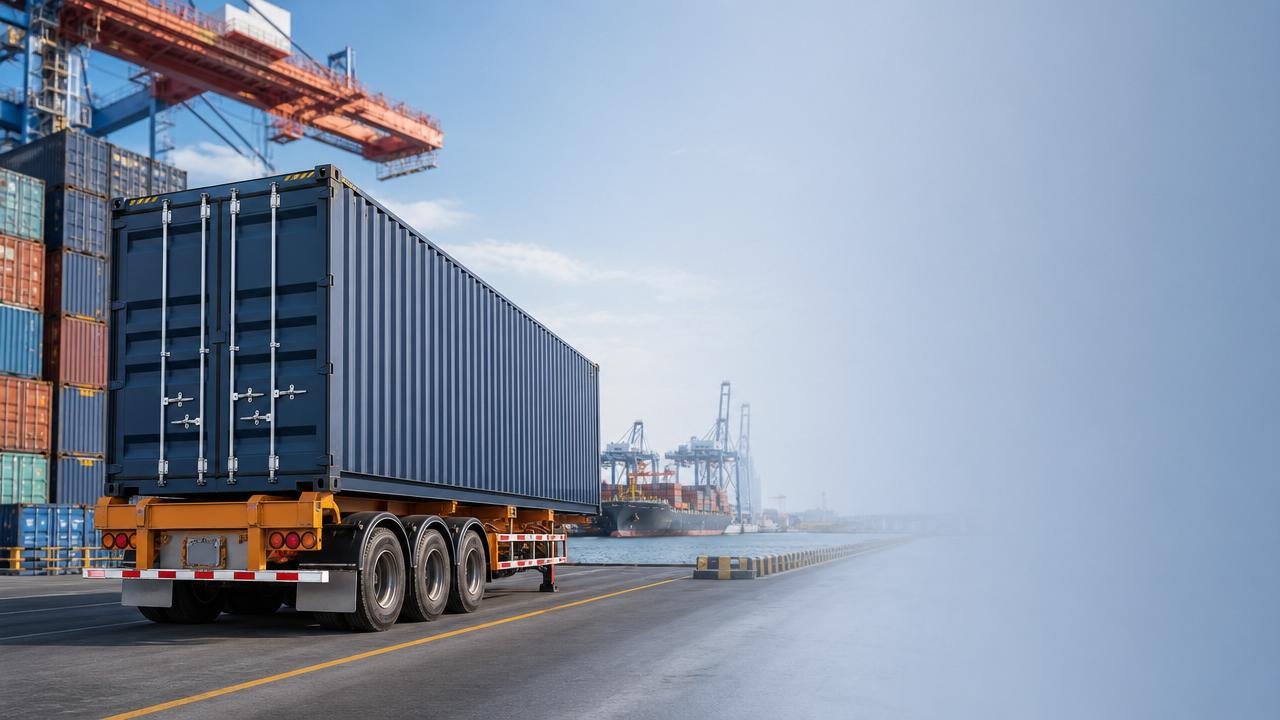
In busy port operations, choosing the right transport equipment can directly affect turnaround time, cost control, and cargo efficiency. A Skeleton (Container) Semi-Trailer is often the practical solution for moving containers quickly and safely between terminals, yards, and inland destinations. For engineering vehicle operations, the key question is not whether this trailer is popular, but when it truly fits the task, route, and load pattern.
In port logistics, equipment must match container flow, road conditions, dispatch rhythm, and handling infrastructure. A Skeleton (Container) Semi-Trailer works best when containerized cargo dominates movement and lifting equipment is already available. It becomes less suitable when cargo needs floor support, side loading, or mixed freight flexibility. Understanding these differences helps improve asset use and reduce avoidable downtime.
Why port transport needs a scenario-based decision
Port operations are not a single transport environment. Short shuttle routes inside terminals differ from longer drayage runs to bonded yards or inland depots. Each scenario creates different demands for trailer strength, twist lock arrangement, axle loading, and chassis durability.
A Skeleton (Container) Semi-Trailer is designed around container handling efficiency. Its open frame reduces tare weight and supports standard container dimensions. That design is valuable only when container movement is frequent, predictable, and linked to crane or reach stacker handling.
The right decision depends on several factors:
- Container size mix, such as 20ft, 40ft, or mixed operations
- Trip distance between quay, yard, warehouse, and inland point
- Road surface quality and turning constraints
- Target payload and axle compliance requirements
- Loading speed expectations and terminal cycle pressure
When short terminal-to-yard transfers make the most sense
One of the strongest use cases for a Skeleton (Container) Semi-Trailer is repetitive short-distance transfer inside or around a port zone. This includes movements from berth areas to stacking yards, customs inspection points, or nearby depots.
In this setting, speed matters more than cargo versatility. The trailer only needs to secure containers reliably and move through tight operational loops. The open chassis allows fast loading and unloading by crane, reducing idle time at transfer points.
This scenario is especially suitable when container handover is frequent and dwell time is short. A Skeleton (Container) Semi-Trailer helps lower unproductive weight, which supports fuel efficiency across many daily cycles.
Core judgment points for short shuttle work
- Routes are fixed and repetitive
- Containers are loaded by terminal equipment
- Cargo does not require enclosed or flat support
- Fast cycle turnover is more important than multi-purpose use
When port-to-inland container drayage supports the investment
A Skeleton (Container) Semi-Trailer also makes sense for medium-distance drayage from port terminals to inland logistics parks, factories, rail hubs, or dry ports. This is common where standardized containers move through planned corridors.
Here, the benefit comes from compatibility and payload efficiency. The trailer is purpose-built for ISO containers, making it easier to maintain secure positioning during road transport. For regular container flows, this specialization often improves dispatch consistency.
However, this scenario requires more attention to road regulations and structural durability. Longer routes increase stress on suspension, frame welding, braking systems, tires, and locking mechanisms. Equipment quality matters more as distance and speed rise.
Best fit conditions for inland drayage
- Container traffic is stable throughout the week
- Road access supports trailer maneuvering and legal loading
- Fleet planning benefits from dedicated container equipment
- Loading points already use container lifting systems
When mixed cargo or unstable handling conditions reduce suitability
Not every port-related job suits a Skeleton (Container) Semi-Trailer. If transport demand often shifts between containers, palletized goods, machinery, or irregular cargo, a flatbed or other trailer type may offer better flexibility.
The same caution applies when loading infrastructure is weak. A Skeleton (Container) Semi-Trailer depends on proper container handling equipment. Without cranes, reach stackers, or organized yard processes, turnaround may actually slow down.
Poor road surfaces also affect suitability. Broken pavement, uneven yard grades, and overloaded usage can accelerate frame fatigue and locking system wear. In such cases, a reinforced specification may be necessary, or another transport solution may be wiser.
Warning signs before choosing this trailer type
- Cargo format changes frequently
- Loading sites lack dependable container handlers
- Road quality causes repeated structural stress
- Operations need more than container transport
How different port scenarios change trailer requirements
The same Skeleton (Container) Semi-Trailer concept can require different specifications depending on application intensity. The table below highlights practical differences that influence trailer selection.
Practical selection advice for a Skeleton (Container) Semi-Trailer
A good selection process starts with route mapping, container type review, and loading pattern analysis. Instead of choosing by price alone, match specification to real operating conditions.
- Choose axle configuration based on legal payload and route intensity
- Confirm compatibility with 20ft, 40ft, or multi-size container handling
- Check twist lock quality and ease of inspection
- Evaluate corrosion protection for coastal environments
- Review spare parts access and service response speed
For engineering vehicle fleets working near salt air and heavy moisture, anti-corrosion treatment should not be ignored. Coastal conditions can shorten service life if paint quality, welding treatment, and component sealing are inadequate.
Reliable export support also matters. Shandong Livol Truck International Trade Co., Ltd. provides commercial vehicle solutions backed by strong supply capacity, authorized dealer resources, professional export handling, and full-process service support. That combination is useful when projects require stable delivery and practical configuration guidance.
Common mistakes in port trailer planning
A common mistake is assuming every container route needs the same Skeleton (Container) Semi-Trailer specification. In reality, local regulations, turning radius, surface conditions, and load concentration often demand different setups.
Another mistake is focusing only on initial purchase price. A lower-cost trailer may create higher long-term expense through faster tire wear, lock failure, welding cracks, or weak after-sales support.
It is also easy to underestimate infrastructure dependence. A Skeleton (Container) Semi-Trailer is efficient because it works inside a coordinated container system. If that system is inconsistent, the expected productivity gain may not appear.
A clear next step for port-focused fleet planning
A Skeleton (Container) Semi-Trailer makes the most sense when port operations involve standardized containers, frequent crane-based handling, predictable routes, and a need for fast equipment turnaround. It is a strong fit for dedicated container logistics, not for every transport job.
The best next step is to review route distance, container mix, pavement condition, payload target, and terminal handling method. With those details, trailer configuration decisions become clearer and more cost-effective.
If port or inland container operations require dependable vehicle export support, tailored specification advice, or stable commercial vehicle supply, Shandong Livol Truck International Trade Co., Ltd. can help evaluate the right Skeleton (Container) Semi-Trailer solution for the working scenario.
Search Starts Here