
News
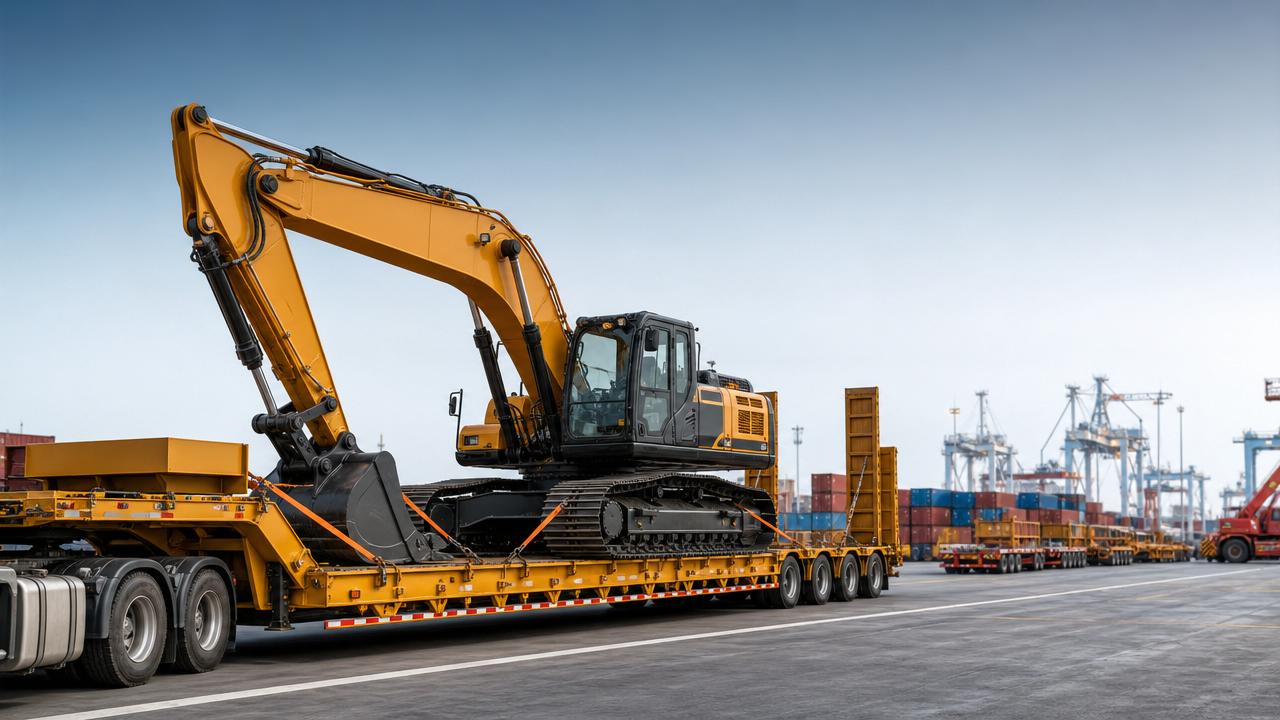
When transporting oversized or tall machinery, choosing the right trailer can directly affect safety, compliance, and project efficiency. A Low Plate trailer is often the better choice for moves that demand a lower deck height, improved stability, and easier route approval. For engineering equipment logistics, knowing when a Low Plate fits best helps reduce transport risk, avoid delays, and keep delivery schedules under control.
Why a checklist matters before selecting a Low Plate
Tall equipment moves rarely fail because of one obvious issue. Problems usually come from combined factors such as overall height, bridge limits, load balance, site access, and permit conditions.
A checklist makes the trailer decision practical. Instead of choosing by habit, it helps compare a Low Plate against flatbeds, lowbeds, and other heavy haul options using route and cargo facts.
In engineering vehicle transport, that process supports safer loading, fewer route changes, and better coordination between export, customs, and inland delivery teams.
Core checklist: when a Low Plate is the better choice
Use the following points to judge whether a Low Plate trailer offers the best technical and operational fit for tall equipment moves.
- Measure total transport height first, including tires, blocking, and suspension movement, then compare the result with legal route limits before confirming a Low Plate configuration.
- Check cargo center of gravity carefully, because a Low Plate lowers the load position and often improves rollover resistance during cornering, braking, and uneven road travel.
- Review loading angle requirements when moving wheeled or tracked machines, since a Low Plate can simplify drive-on loading and reduce undercarriage contact risk.
- Confirm axle load distribution early, especially for heavy engineering vehicles, because proper spread across trailer axles affects permits, road protection, and escort requirements.
- Inspect route obstacles in advance, including overhead cables, sign gantries, tunnels, and temporary construction zones, where lower deck height may eliminate costly detours.
- Match trailer deck length to machine footprint and attachment position, ensuring booms, arms, or mounted parts sit securely without unsafe overhang or rushed disassembly.
- Verify loading site conditions, because soft yards, ramps, or restricted gate access may favor a Low Plate with easier approach geometry and more stable loading posture.
- Consider permit approval speed, since a lower overall loaded height can simplify compliance review and reduce the chance of route rejection by local authorities.
- Plan lashing points and blocking method before dispatch, making sure the Low Plate structure supports secure tie-down placement for tall and irregular equipment.
- Assess port and export handling interfaces, especially for international projects, where a Low Plate may improve inland movement efficiency before vessel loading or border transfer.
Key signs that a standard trailer is not enough
A standard flatbed may look available and economical, but height often becomes the hidden issue. Once the machine is loaded, even small extra deck height can trigger permit problems.
That is where a Low Plate becomes valuable. Lowering the cargo profile can make the difference between a direct route and a long diversion with escorts and time restrictions.
Another warning sign is unstable loading posture. If the equipment sits too high, moves with a top-heavy feel, or needs excessive blocking, a Low Plate should be reviewed immediately.
Application scenarios where a Low Plate performs best
Excavators, road machinery, and tracked engineering equipment
Excavators with raised cabs, pavers, milling machines, and crawler equipment often benefit from a Low Plate because total height is difficult to control on higher deck trailers.
The lower deck also helps during loading. Reduced ramp angle improves traction and lowers the chance of belly contact when tracked machines transition onto the trailer.
Tall industrial modules and mounted equipment
Some engineering vehicle projects involve generators, drilling assemblies, compressor units, or mounted process components. These loads may not be extremely heavy, but they are vertically challenging.
In such cases, a Low Plate creates more clearance margin without forcing extensive dismantling. That saves labor, reduces reassembly error, and keeps delivery timing more predictable.
Cross-border and port-connected transport
For export-linked moves, route predictability matters as much as payload security. A Low Plate can simplify the inland leg before port entry, terminal handling, or border inspection.
Shandong Livol Truck International Trade Co., Ltd. supports such commercial vehicle and engineering equipment movements with vehicle selection, customization, documentation, customs clearance, and logistics coordination.
Commonly overlooked risks when using a Low Plate
Ignore deck ground clearance at your own risk. While a Low Plate lowers transport height, poor route surfaces or sharp transitions can create bottoming hazards.
Miss attachment dimensions and the plan can fail. Booms, buckets, handrails, or roof-mounted parts often add the extra centimeters that change permit status.
Assume all Low Plate trailers are the same and operational mismatches appear fast. Axle count, deck structure, suspension, and ramp design all affect suitability.
Treat lashing as routine and stability suffers. Tall equipment needs tie-down geometry that controls sway, not only forward movement under braking.
Delay route survey work and the cost rises later. Overhead obstacles and local movement restrictions should be checked before equipment reaches the loading point.
Practical execution steps before dispatch
- Record machine transport dimensions in working condition and shipping condition.
- Compare at least two trailer options, including the proposed Low Plate setup.
- Run a route review covering height limits, turning radius, gradients, and site entry constraints.
- Confirm axle loads, permit requirements, escort needs, and local travel time windows.
- Prepare a loading and securing method statement before the vehicle arrives.
- Coordinate export documents and delivery timing if the move connects to port or cross-border shipment.
How to make the final trailer decision
Choose a Low Plate when height control is the main challenge, route clearance is tight, and load stability improves meaningfully with a lower deck position.
Do not decide on trailer type by payload alone. A machine that is legal by weight can still become inefficient, risky, or non-compliant if deck height is wrong.
For engineering vehicle exports and project cargo, it helps to work with an experienced supplier that understands equipment matching, stock availability, documentation, and delivery coordination.
Conclusion and next action
A Low Plate is the better choice when tall equipment needs lower overall transport height, safer loading geometry, improved stability, and smoother route approval. The right decision starts with measurement, route review, and load planning.
Before the next tall equipment move, build a simple transport checklist around height, axle load, deck fit, and permit conditions. That approach will quickly show whether a Low Plate offers the safest and most efficient solution.
For projects involving commercial vehicles, engineering equipment, or export-linked heavy transport, Shandong Livol Truck International Trade Co., Ltd. can support trailer matching and full-process delivery coordination with professional trade experience.
Search Starts Here