
News
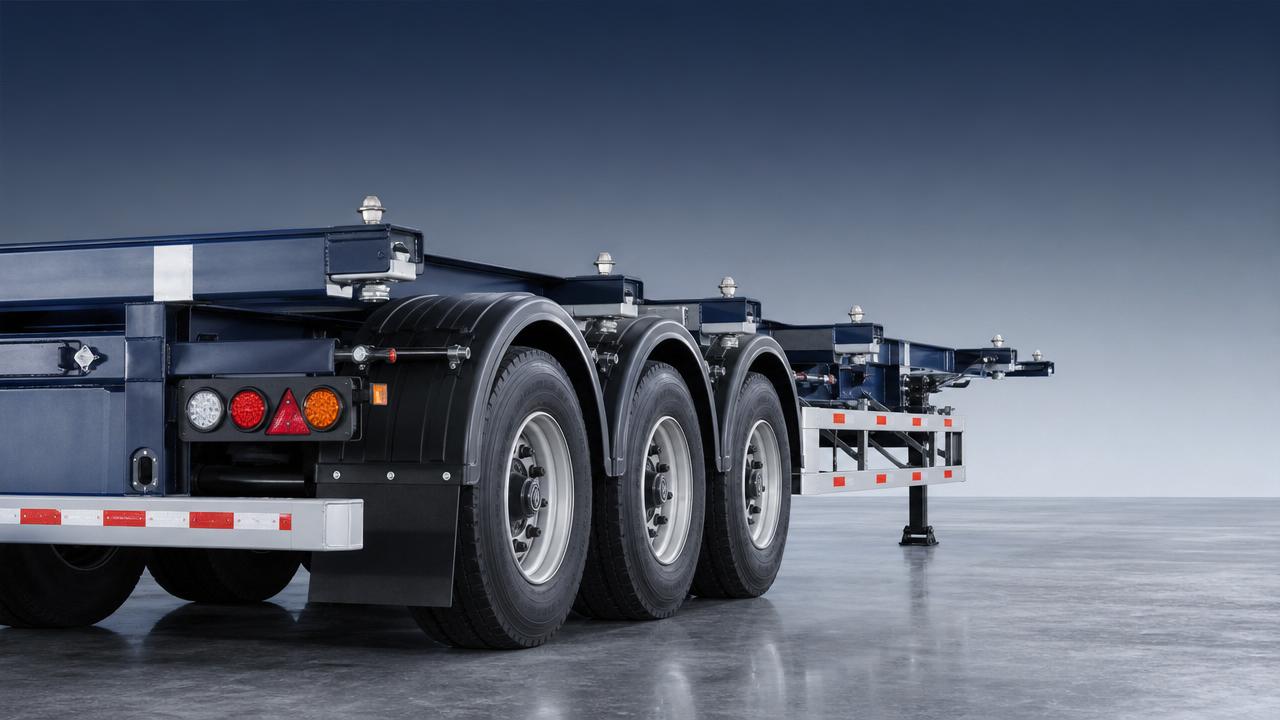
Keeping a Skeleton (Container) Semi-Trailer in reliable working condition is essential for reducing unexpected downtime, lowering repair costs, and improving fleet efficiency. For after-sales maintenance personnel, understanding key inspection and service points—from the chassis and twist locks to tires, braking systems, and electrical components—helps prevent failures before they disrupt operations. This guide outlines practical maintenance priorities that support safer transport and more consistent trailer performance.
What Maintenance Teams Need to Know First About Downtime Risks
When people search for Skeleton (Container) Semi-Trailer maintenance points, they usually want one practical answer: which inspections and service actions most effectively prevent roadside failures and loading delays.
For after-sales maintenance personnel, the main concern is not theory. It is identifying high-failure parts early, setting realistic inspection intervals, and reducing trailer off-road time without unnecessary replacement.
In daily operations, most downtime comes from a small group of issues: cracked structural members, worn twist locks, brake air leaks, tire damage, lighting faults, and neglected suspension wear.
That means the best maintenance strategy is a risk-based routine. Focus first on components that affect safety, container security, legal compliance, and immediate dispatch readiness.
A well-maintained Skeleton (Container) Semi-Trailer does more than avoid breakdowns. It improves container handling efficiency, lowers emergency repair costs, and protects the fleet’s delivery schedule.
Start with the Chassis and Main Frame Because Structural Failure Causes the Longest Downtime
The chassis is the foundation of the trailer, so frame condition should always be the first major inspection point. Structural damage usually causes longer downtime than consumable part replacement.
Maintenance staff should check the main longitudinal beams, cross members, gooseneck area, rear overhang, and container support zones for cracks, deformation, corrosion, and poor previous weld repairs.
Pay special attention to stress concentration areas near suspension brackets, landing gear mounts, kingpin plate sections, and rear bumper connections. These locations often carry repeated impact and torsional loads.
Small cracks can easily become major failures if ignored during routine servicing. Early detection allows reinforcement or repair during planned maintenance instead of after an operational breakdown.
Inspect paint damage, rust scale, and trapped dirt around joints. Corrosion under coatings or around welded seams can weaken the steel gradually and remain hidden until loading conditions expose it.
For fleets operating in ports, coastal regions, or wet environments, washing and anti-corrosion treatment should be part of maintenance planning, not only appearance care.
Twist Locks and Container Securing Points Deserve Daily Attention
On a Skeleton (Container) Semi-Trailer, twist locks directly affect cargo security and operational safety. If they fail, the problem is not just downtime but also serious transport risk.
Inspect each twist lock for wear, incomplete locking, bent handles, weak spring action, corrosion, and loose mounting hardware. The locking mechanism should rotate smoothly and secure firmly.
Check that all lock positions match the trailer’s intended container sizes. Misalignment may indicate frame distortion, worn mounting points, or improper repair history.
Maintenance personnel should also inspect container support surfaces and guide components. Excessive wear in these areas can create unstable loading conditions and increase lock stress during transport.
Where usage frequency is high, lubrication and functional testing should be routine. A twist lock that moves freely in the workshop but jams under field dirt is still a downtime risk.
If operators report difficulty during loading or unloading, treat that as an early maintenance signal. Hard locking and unlocking often appear before complete mechanism failure.
Brake System Checks Should Be Detailed, Not Superficial
Brake system issues are among the most common reasons trailers are stopped for urgent service. Even minor air leaks or uneven brake response can quickly affect availability and compliance.
Inspect air lines, connectors, hoses, couplings, and valves for leakage, abrasion, cracking, and loose fittings. Listen for pressure loss and verify that the system holds air within required limits.
Brake chambers, slack adjusters, camshafts, drums, discs, and linings should be checked for wear and proper movement. Uneven wear often points to deeper mechanical imbalance.
Do not limit the inspection to visible parts. Internal contamination, poor adjustment, and sticking components can reduce braking performance even when external appearance seems acceptable.
ABS or EBS functions should also be verified where equipped. Fault codes, damaged sensors, and wiring problems can trigger warning lights and lead to unnecessary roadside inspections or service delays.
After component replacement, always confirm balanced braking across axles. A trailer that pulls unevenly or overheats one wheel end will return to the workshop sooner than expected.
Tires and Wheel Ends Affect Downtime More Often Than Many Teams Expect
Tire failures are frequent, disruptive, and often preventable. For that reason, tire and wheel-end checks should be one of the most disciplined parts of any trailer maintenance routine.
Look for irregular tread wear, shoulder damage, cuts, sidewall bulges, embedded foreign material, and signs of underinflation or overloading. These clues often reveal both tire and suspension issues.
Correct tire pressure is critical for a Skeleton (Container) Semi-Trailer because load distribution changes according to container size, road condition, and cargo weight concentration.
Wheel nuts should be checked for correct torque and signs of loosening. Rust trails around wheel seats can indicate movement that may develop into a serious wheel security problem.
At the wheel end, inspect bearings, hubs, seals, and lubrication condition. Oil leakage, abnormal heat, noise, or metal particles are warning signs that should never be postponed.
Using temperature checks after road tests is a practical method for maintenance teams. A hotter-than-normal hub often identifies hidden friction or bearing distress before full failure occurs.
Suspension and Axle Components Need Preventive Service, Not Just Repair After Wear Appears
Suspension wear affects tire life, stability, braking consistency, and frame stress. Yet these parts are often serviced only after visible damage becomes obvious.
Inspect leaf springs, air suspension bags, torque rods, equalizers, U-bolts, hangers, bushings, and shock absorbers according to the trailer configuration. Looseness in one area can quickly affect others.
Cracked bushings, worn pins, and bent suspension members may first appear as abnormal tire wear or poor trailer tracking. That is why symptom-based maintenance should lead to full system inspection.
Axles should be checked for alignment, beam damage, and secure attachment. Poor alignment increases rolling resistance, accelerates tire wear, and makes the trailer harder to handle safely.
For fleets working on rough roads, construction access routes, or overloaded port conditions, suspension inspections should be more frequent than standard highway schedules.
After any suspension repair, confirm ride height, alignment, and fastener torque. Incomplete post-repair verification often causes repeat workshop visits and avoidable downtime.
Landing Gear, Kingpin, and Coupling Areas Are Easy to Overlook but Expensive to Ignore
These components may not fail as often as tires or lights, but when they do, the trailer can become unusable immediately. Their maintenance value is therefore very high.
Check landing gear for bent legs, damaged footplates, gear housing wear, crank issues, lubrication condition, and smooth extension or retraction under load.
A landing gear problem often appears during yard operations rather than on the road, but it can still delay loading plans, damage support equipment, and create serious safety hazards.
The kingpin area should be inspected for wear, cracking, mounting plate damage, and secure weld condition. Excessive wear can compromise coupling stability and accelerate fifth-wheel damage.
Look for signs of impact, improper coupling, or poor lubrication. Uneven contact marks may suggest alignment problems between tractor and trailer.
Because coupling systems carry repeated high load cycles, preventive inspection is far less costly than emergency recovery after a coupling-related incident.
Electrical and Lighting Systems Should Be Maintained for Reliability, Not Just Compliance
Electrical faults may seem minor compared with structural or brake problems, but they often create dispatch delays, inspection failures, and unsafe night operation.
Check the wiring harness, connectors, sockets, lamp housings, grounding points, and protective conduits for corrosion, moisture intrusion, broken insulation, and loose contact.
On container chassis working in wet, muddy, or port environments, connector corrosion is especially common. Sealing, cleaning, and dielectric protection can significantly improve reliability.
Test all required lights, including brake lamps, turn signals, marker lights, reverse lights where applicable, and license plate illumination. Intermittent faults should be treated seriously.
Do not ignore cable routing quality. Poorly secured wiring can rub against the frame, suspension, or air lines and create repeated failures that seem random in service records.
Where trailers use ABS or advanced electronic systems, maintenance staff should combine physical inspection with diagnostic checks instead of relying only on visible condition.
Create Inspection Intervals Based on Real Operating Conditions
One of the most useful ways to reduce downtime is to stop using a single inspection rhythm for every trailer. Actual operating conditions should guide maintenance frequency.
A Skeleton (Container) Semi-Trailer used in port transfer, short-haul shuttle work, and frequent loading cycles may need more frequent twist lock, tire, and landing gear inspections.
Trailers used on long-distance export transport may require stronger focus on wheel ends, brake heat performance, lighting reliability, and corrosion control over time.
Road quality, climate, overload exposure, driver habits, and maintenance history should all influence service intervals. A schedule that ignores these factors often misses failure patterns.
After-sales maintenance personnel should classify trailers by duty severity and assign different preventive inspection checklists. This approach is more efficient than treating the whole fleet the same.
Records matter here. Repeated failures in the same component category usually mean the inspection interval, repair method, or part quality needs adjustment.
Use Standardized Checklists to Improve Maintenance Consistency
Downtime often increases not because maintenance is absent, but because inspections vary too much between technicians, shifts, or service locations.
Standardized checklists help ensure that high-risk items are always covered. They also make it easier to compare trailer condition over time and identify recurring weak points.
A useful checklist for a Skeleton (Container) Semi-Trailer should include frame condition, twist lock function, brake air leakage, tire status, wheel-end temperature signs, suspension looseness, lighting, and coupling parts.
For after-sales teams, checklists also support training. New technicians can follow a clear sequence instead of depending only on memory or limited field experience.
Digital maintenance records are especially valuable for exporters and multi-region fleets. They help trace parts usage, service intervals, and recurring failure patterns across different markets.
Consistency in inspection quality usually leads to fewer missed defects, better parts planning, and more predictable trailer availability.
Parts Quality and Repair Decisions Directly Affect Future Downtime
Not all repairs reduce downtime equally. Fast but low-quality fixes may return the trailer to service briefly, only to create a second failure soon after.
Maintenance personnel should evaluate whether a part can be safely repaired, should be reinforced, or must be replaced. This is especially important for structural areas and safety-critical components.
Using reliable replacement parts for brakes, suspension, locking systems, electrical components, and wheel ends helps maintain service life and avoid repeat claims.
For exporters and international fleets, parts support is also a planning issue. Choosing trailers and components with stable supply channels reduces waiting time during maintenance events.
This is where working with a professional commercial vehicle supplier can create practical value. Strong parts access, model knowledge, and after-sales coordination improve repair efficiency.
Companies with authorized networks and export experience can support customers not only during purchase, but also during long-term service, documentation, and replacement planning.
How After-Sales Teams Can Turn Maintenance into Higher Fleet Availability
The most effective maintenance programs do not wait for obvious damage. They combine routine inspection, condition-based judgment, accurate records, and timely corrective action.
For a Skeleton (Container) Semi-Trailer, the highest-priority maintenance points are clear: frame integrity, twist lock reliability, brake function, tire and wheel-end condition, suspension wear, and electrical performance.
When these areas are controlled well, fleets usually see fewer roadside events, less container handling disruption, and better use of workshop time and spare parts budgets.
After-sales maintenance personnel play a key role because they connect field symptoms with preventive action. Their judgment often determines whether a minor issue becomes a costly shutdown.
In practical terms, reducing downtime depends less on complex theory and more on disciplined inspection, proper repair standards, and maintenance intervals matched to real operating conditions.
For fleets and service teams looking for long-term reliability, maintenance should be viewed as an availability strategy, not only as a repair task. That mindset delivers safer operation and stronger overall transport performance.
Search Starts Here