
News
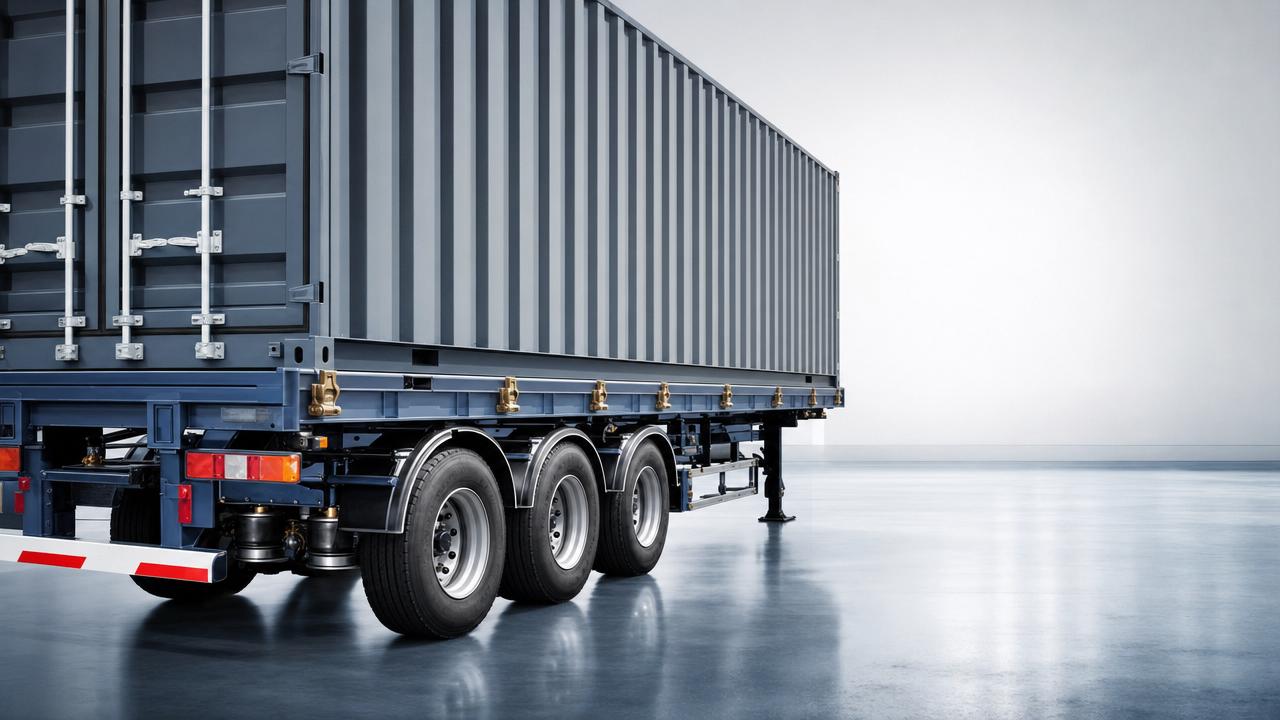
Before a Skeleton (Container) Semi-Trailer is delivered, load balance must be checked with precision to prevent axle overload, frame stress, unstable handling and container shifting risks. For quality control and safety management teams, identifying balance issues early is essential to ensure transport safety, compliance and long-term trailer performance.
In export-oriented engineering vehicle operations, a Skeleton (Container) Semi-Trailer is often judged by visible build quality, weld appearance, and component brand. However, delivery failures are more likely to come from poor load distribution than from obvious cosmetic defects. A trailer that looks structurally sound can still create serious road risk if axle group loading, kingpin reaction, and chassis deflection are not checked under realistic container conditions.
For quality control personnel and safety managers, the pre-delivery stage is the best point to identify imbalance issues at the lowest corrective cost. A disciplined inspection process can reduce rework, prevent compliance disputes, and improve long-haul reliability. For exporters such as Shandong Livol Truck International Trade Co., Ltd., which supplies commercial vehicles and trailer solutions with documentation, logistics, and delivery support, this checkpoint also helps align product quality with overseas operating requirements.
Why Load Balance Inspection Matters Before Delivery
A Skeleton (Container) Semi-Trailer carries concentrated loads through a relatively open frame. Unlike enclosed platforms, its structural behavior depends heavily on how the container mass transfers to cross members, side beams, landing gear area, and axle assembly. Even a 5% to 10% deviation in expected load center can change braking behavior, tire wear rate, and kingpin load enough to affect compliance.
In practical transport use, poor balance can lead to four major outcomes: front-heavy loading, rear-heavy loading, side-to-side imbalance, and torsional stress during uneven ground contact. Each condition creates different risks. Front-heavy distribution may overload the tractor fifth wheel and forward chassis area, while rear-heavy distribution can reduce steering traction and increase trailer sway at 60 to 80 km/h.
For quality teams, the concern is not only static load values but also dynamic behavior. A trailer may pass a simple yard check yet show unacceptable movement when cornering, braking, or climbing ramps. That is why pre-delivery verification should combine dimensional inspection, load simulation, and axle reaction review rather than relying on a visual check alone.
Typical consequences of unbalanced container loading
- Axle overload that accelerates hub, suspension, and tire failures within the first 10,000 to 20,000 km
- Localized frame stress around cross member joints and twist lock zones
- Higher braking instability, especially on wet roads or during emergency stops
- Uneven tire shoulder wear caused by left-right weight differences
- Container shift risk when locking devices are not aligned with actual load paths
Why this issue is critical in export delivery
Exported engineering transport equipment may operate under different road regulations, axle limits, and port handling conditions. A pre-delivery check that is acceptable in one market may be insufficient in another. In many projects, correction after arrival means extra local labor, delayed registration, and idle fleet cost for 7 to 15 days. That makes balance verification a commercial issue as much as a technical one.
A reliable supplier should therefore support not only trailer supply, but also inspection coordination, specification confirmation, and shipping readiness review. This is especially important when buyers request different container lengths, suspension types, or axle arrangements for port, highway, mining access road, or mixed-route use.
Key Load Balance Issues Quality Teams Should Check
Before delivery, inspection should focus on measurable factors rather than assumptions. The most common problems are not random; they usually come from dimensional mismatch, component position error, or unrealistic loading assumptions during manufacturing. A structured checklist helps inspectors identify whether the Skeleton (Container) Semi-Trailer can safely support 20 ft, 40 ft, or mixed container operations.
1. Axle group position relative to container load center
The axle group must be positioned so that expected payload creates acceptable kingpin load and legal axle distribution. If the axle set is too far back, the tractor bears excessive vertical load. If it is too far forward, trailer rear axles may exceed local road limits. Even a dimensional deviation of 20 to 40 mm in key mounting points can influence final reaction forces under full load.
Inspection focus
- Measure kingpin-to-first-axle distance against approved drawing
- Confirm axle centerline spacing and suspension equalization status
- Verify expected vertical load split under rated payload condition
2. Twist lock placement and container seating geometry
Incorrect twist lock spacing can force the container to sit under stress rather than on the intended support path. This creates eccentric loading on the frame and raises the chance of lock misengagement. Quality teams should confirm that lock positions match the intended container format and that seating points do not introduce tilt greater than the acceptable assembly tolerance.
3. Cross member and side beam stiffness consistency
Load balance is not only a question of geometry. If cross members vary in weld quality, thickness, or alignment, the trailer may transfer more force into one side of the chassis. This is especially relevant on rough access roads where dynamic loading may briefly exceed static load by 1.2 to 1.5 times. Uneven stiffness often appears later as fatigue cracking near weld toes and suspension brackets.
The following table shows common pre-delivery balance checkpoints and what each item helps prevent.
The key message is that load balance should be verified through the whole support system, not through one dimension alone. In many cases, a trailer passes individual component inspection but fails as a complete load-bearing assembly because alignment, stiffness, and lock geometry were not checked together.
A Practical Pre-Delivery Inspection Process
For a Skeleton (Container) Semi-Trailer, an effective pre-delivery process usually takes 5 steps and can be completed within 1 working day for standard units, or 2 to 3 days when custom configurations require loaded simulation. What matters is consistency: the same sequence, the same measurement references, and clearly recorded acceptance thresholds.
Step 1: Confirm specification and intended operating scenario
Inspectors should first confirm whether the trailer is designed for 20 ft, 40 ft, or multi-container operation, and whether it will run mainly in ports, on highways, or on mixed industrial roads. A unit designed for one route profile may not distribute forces the same way in another. This first step prevents inspection based on the wrong usage assumptions.
Step 2: Check dimensional accuracy and frame reference points
Measure kingpin location, axle positions, landing gear installation points, twist lock spacing, and frame diagonals. In standard factory practice, diagonal deviation, height deviation, and alignment offset should remain within the approved production tolerance. If a measurement trend shows repeated offset in one area, the issue may come from jig setup rather than isolated workmanship.
Step 3: Simulate or verify loaded condition
A no-load inspection is not enough. Use a test container, calibrated ballast, or equivalent loading method to reproduce realistic weight transfer. At minimum, inspect reaction at the kingpin zone, suspension compression behavior, and left-right ride height. If the trailer is intended for heavy-port cycling, repeated loading and unloading checks may reveal lock seating or frame rebound issues within 3 to 5 cycles.
Step 4: Evaluate running gear under balanced and off-center conditions
Inspect tires, axle alignment, suspension equalization, and brake chamber installation. Quality teams should not assume a balanced frame guarantees balanced road behavior. A left-right imbalance of even a few hundred kilograms can produce uneven tire temperature and pull during braking. Where possible, compare axle load readings or suspension response on both sides.
Step 5: Record findings and define release criteria
The release decision should be based on measurable pass-fail criteria, not verbal judgment. Inspection records should include dimensions, loading condition, deviations found, corrective action, and final reviewer signoff. For export projects, attach photo records and translated check sheets if the destination market requires customer-side verification.
The table below outlines a practical inspection workflow used by many commercial vehicle exporters and fleet quality teams.
This workflow helps reduce subjectivity. It also supports communication between the factory, exporter, and buyer, especially when the unit must meet different local expectations for roadworthiness, loading practice, or acceptance paperwork.
Common Mistakes That Cause Load Balance Problems
Many balance failures are avoidable. They do not come from a single major defect, but from several small assumptions that go unchecked. Recognizing these patterns helps safety managers improve incoming inspection and helps exporters reduce after-delivery claims.
Assuming empty-frame symmetry guarantees loaded stability
An unloaded trailer may appear level, but loaded behavior depends on true weight transfer. Suspension friction, beam stiffness variation, and lock point tolerance can produce a different result under 70% to 100% payload. Quality teams should always validate the loaded condition, not just static geometry.
Ignoring side-to-side distribution
Inspectors often focus on front and rear balance but miss lateral imbalance. On a Skeleton (Container) Semi-Trailer, even slight asymmetry in suspension setup, tire inflation, or frame weld distortion can shift load to one side. This may lead to uneven brake response and tire wear that becomes visible after only a few weeks of service.
Using theoretical container weight only
Real cargo is not always centered inside the container. Equipment, steel products, stone materials, or mixed industrial goods may create internal eccentricity. If the trailer is intended for such cargo categories, inspection should consider off-center loading tolerance and not rely on a perfectly centered laboratory assumption.
Overlooking delivery configuration changes
Late-stage changes such as different tire brands, suspension type adjustments, landing gear replacements, or reinforcement additions can affect balance. Even when each part is individually acceptable, the combined effect may shift weight distribution enough to require a new verification before release.
How Buyers and Exporters Can Reduce Delivery Risk
Risk control works best when technical review starts before production release, not after the trailer is already finished. Buyers should define the operating profile, typical payload range, target roads, and local axle restrictions at the quotation stage. Exporters should translate these requirements into practical inspection points and factory follow-up actions.
What procurement and safety teams should request
- A clear drawing or layout confirmation for axle position and lock spacing
- Pre-delivery inspection records with measured dimensions, not only photos
- Load simulation evidence for the intended container format
- Confirmation of any customization that may affect weight distribution
- Shipment coordination that avoids damage or distortion before arrival
The value of an experienced export partner
For overseas buyers, coordination quality matters almost as much as product quality. Shandong Livol Truck International Trade Co., Ltd. supports commercial vehicle export with vehicle selection, customization communication, documentation, customs clearance, logistics coordination, and after-sales response. In projects involving trailers and engineering transport equipment, this full-process support can help reduce specification misunderstanding and improve delivery readiness.
Because the company works with authorized resources, vehicle inventory, and a professional export team, buyers can communicate technical requirements earlier and manage lead time more effectively. For quality and safety decision-makers, that means better traceability from order confirmation to shipment release, especially when multiple units or mixed commercial vehicle orders are involved.
Final Checkpoints Before Shipment Release
Before the Skeleton (Container) Semi-Trailer leaves the factory or yard, the final review should confirm three things: the trailer matches the approved specification, the load balance has been checked under a relevant condition, and all nonconformities have been closed. If any of these three items is incomplete, shipment should be delayed until the technical risk is resolved.
A strong pre-delivery process protects transport safety, reduces warranty disputes, and supports longer service life for axles, tires, suspension, and frame structure. For quality control personnel and safety management teams, it is one of the most cost-effective controls in the entire engineering vehicle supply chain.
If you are sourcing a Skeleton (Container) Semi-Trailer for export use and need support with specification review, customization, inspection coordination, or commercial vehicle delivery planning, contact Shandong Livol Truck International Trade Co., Ltd. to get a tailored solution, discuss product details, and improve shipment confidence before dispatch.
Search Starts Here