
News
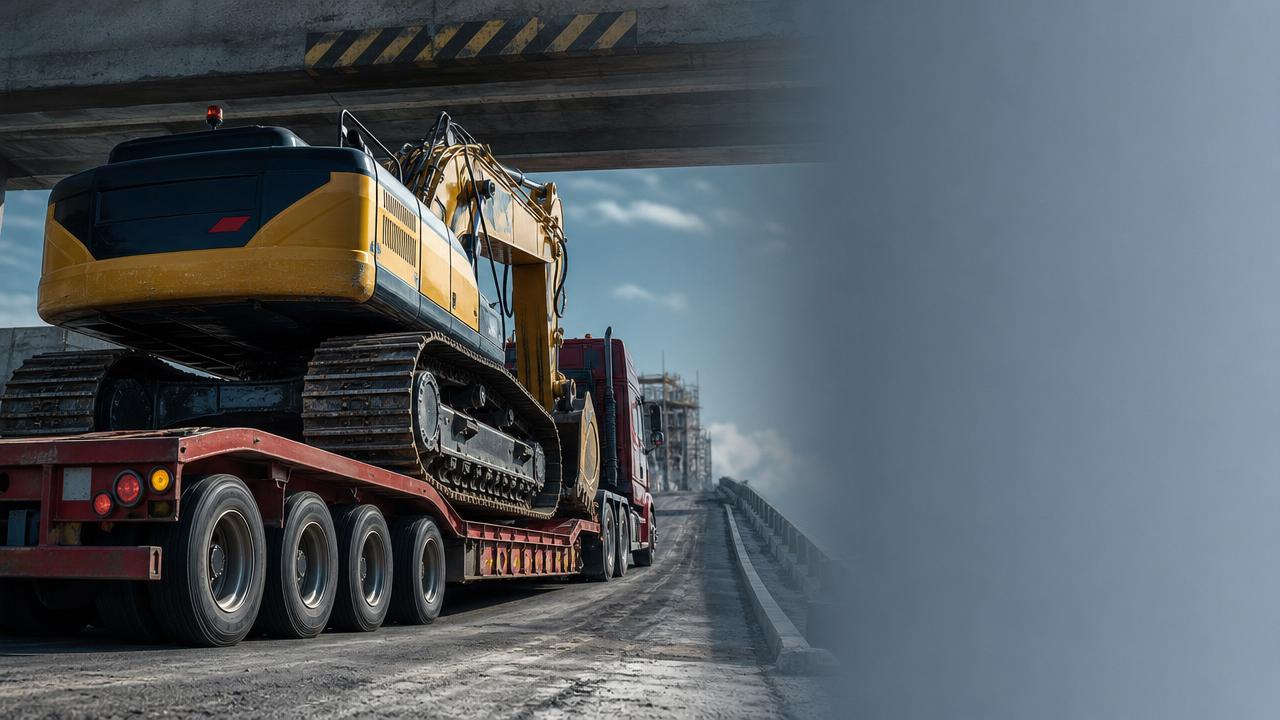
When transporting heavy equipment, a Low Plate trailer improves loading efficiency, yet clearance risks often trigger damage, delay, and safety incidents.
A proper pre-trip review should cover ground clearance, ramp angle, overhead obstacles, cargo height, turning points, and road surface changes.
In engineering vehicle logistics, these checks support safer movement, better compliance, and more predictable delivery performance.
Understanding Low Plate Trailer Clearance in Heavy Equipment Transport
A Low Plate trailer is designed with a lower deck height than standard flatbed equipment.
This structure helps carry excavators, loaders, rollers, cranes, and other oversized engineering vehicles with improved loading stability.
However, the lower deck also changes how the trailer interacts with ramps, crests, dips, bridges, and uneven site entrances.
Clearance risk refers to any point where the trailer, cargo, or accessories may strike the road, a structure, or surrounding objects.
For a Low Plate configuration, even small height differences can create large operational consequences.
The most common problems include underbody scraping, rear-end contact, top collision, side swing contact, and cargo shift after impact.
These issues are not limited to public roads.
They also appear at mines, yards, construction gates, temporary roads, warehouse aprons, and port staging areas.
Why the risk is often underestimated
Operators may focus on payload capacity and axle distribution first, while route geometry receives less attention.
Yet a Low Plate trailer usually works close to physical limits.
Minor route changes, weather effects, or equipment reconfiguration can quickly reduce safe clearance margins.
Current Clearance Concerns Across Engineering Vehicle Transport
Heavy equipment transport has become more complex as machines grow larger and projects move into harsher operating environments.
A Low Plate solution remains practical, but transport planning now requires closer technical review than before.
These trends explain why Low Plate transport must combine equipment knowledge with route intelligence and strict execution discipline.
Key Clearance Risks That Must Be Checked Before Departure
A structured checklist reduces uncertainty and helps identify whether the selected Low Plate trailer matches the task.
1. Ground clearance under the trailer
Check the lowest fixed points, including cross members, support legs, ramps, and rear protection structures.
Pay close attention to road crowns, speed humps, culvert crossings, and temporary steel plates at project entrances.
2. Breakover angle at crests and dips
A Low Plate trailer can bottom out where the road sharply rises or falls.
This is common at fuel stations, weighbridges, bridge joints, and uneven yard transitions.
3. Ramp angle during loading and unloading
Machines with long wheelbases or low front attachments may strike ramps before reaching the deck.
Wet steel surfaces increase slip risk and reduce margin for corrective movement.
4. Overall loaded height
Measure total height after the machine is positioned, secured, and settled on suspension.
Do not rely on nominal equipment dimensions alone.
Tire pressure, deck flex, and attachment angle can change the final result.
5. Overhead and roadside obstacles
Bridges, cables, branches, signs, and gantries must be checked against the actual loaded profile.
Also evaluate lateral swing when turning or passing through narrow gates.
6. Suspension compression and dynamic movement
Static measurements are not enough.
Braking, cornering, bumps, and load shift can reduce clearance during motion.
A Low Plate setup should always include a dynamic safety margin.
Operational Value of Better Low Plate Clearance Control
Managing clearance well protects more than equipment condition.
It strengthens schedule reliability, compliance quality, and total transport efficiency.
- Reduces damage to trailer structures, hydraulic ramps, light systems, and cargo attachments.
- Lowers the chance of roadside stoppage, escort disruption, or route denial.
- Improves loading confidence for oversized engineering vehicles.
- Helps maintain permit compliance where height or route restrictions apply.
- Supports safer delivery to mines, construction sites, ports, and industrial plants.
For international supply projects, these benefits also reduce hidden export logistics costs caused by rework or route change.
Shandong Livol Truck International Trade Co., Ltd. supports commercial vehicle export with vehicle selection, customization, documentation, customs clearance, and logistics coordination.
This integrated approach helps match transport equipment to actual engineering vehicle movement requirements.
Typical Heavy Equipment Cases Where Low Plate Clearance Matters Most
Not every machine creates the same risk profile.
The following examples show where Low Plate clearance review deserves extra attention.
Practical Checks for Safer Low Plate Transport Execution
A reliable process should convert clearance awareness into repeatable field actions.
- Measure trailer deck height, lowest underbody point, ramp length, and axle spacing before assignment.
- Confirm machine transport dimensions after attachment folding, removal, or repositioning.
- Survey the route physically or by verified route data, especially for final site access.
- Calculate loaded height with suspension settlement included.
- Identify critical points such as steep entries, bridge approaches, and temporary construction detours.
- Check weather conditions that may affect traction, visibility, and road edge stability.
- Use proper securement and recheck cargo position after initial movement.
- Prepare an alternate route when the primary path offers limited clearance margin.
Equipment selection considerations
The best Low Plate trailer is not simply the lowest one available.
Selection should balance deck height, payload, axle layout, ramp design, suspension type, and local road conditions.
Export projects also benefit from stable supply and technical matching support.
With authorized access to FOTON, SHACMAN, and SINOTRUK resources, Shandong Livol Truck International Trade Co., Ltd. provides dependable commercial vehicle solutions and coordinated export service.
Next Steps for More Predictable Low Plate Transport Planning
A Low Plate trailer remains one of the most effective tools for moving heavy engineering vehicles.
Its advantages become fully practical only when clearance risks are reviewed in detail before dispatch.
By checking ground clearance, ramp angle, loaded height, route geometry, and dynamic movement, transport teams can reduce avoidable incidents.
For upcoming equipment movements, build a documented clearance checklist and verify every critical route point in advance.
When transport planning also requires export vehicle sourcing or integrated logistics support, a professional commercial vehicle partner can help turn technical checks into smoother project delivery.
Search Starts Here