News
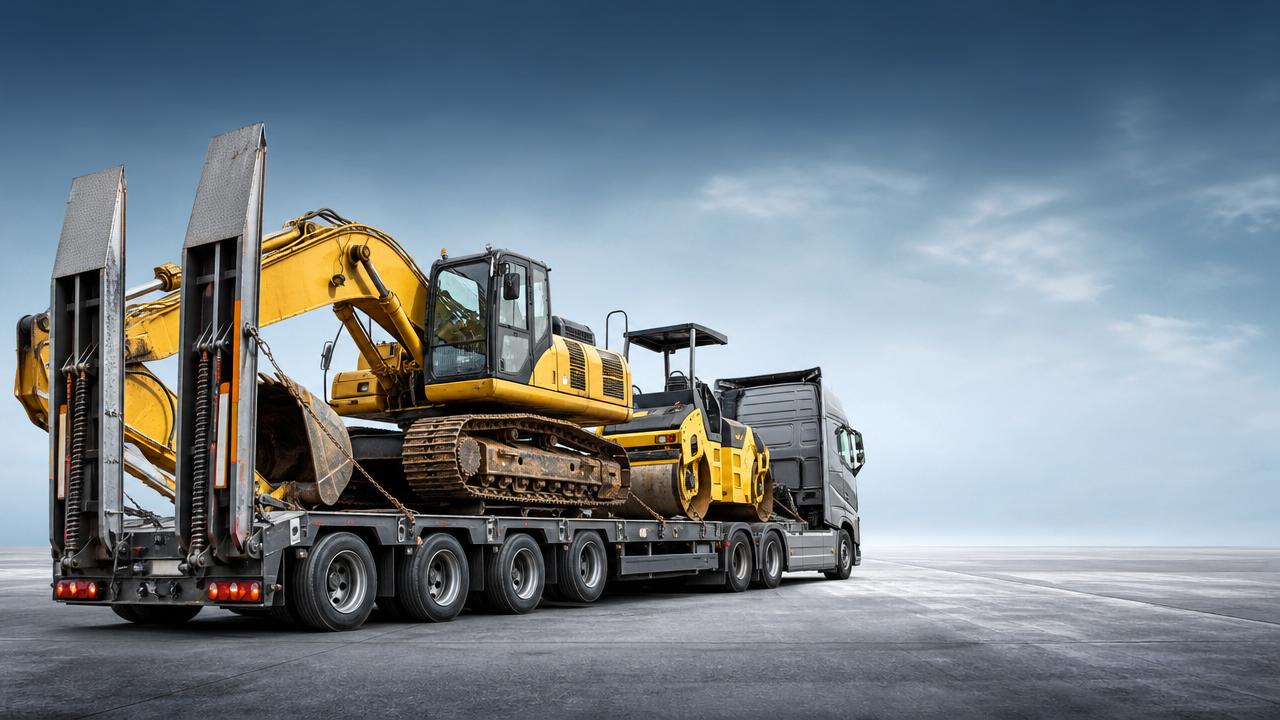
For project managers and engineering leaders, choosing the right Low Plate trailer is essential for moving excavators and heavy machinery safely, efficiently, and on schedule. In demanding construction and infrastructure projects, the right transport solution helps reduce downtime, control logistics costs, and improve overall site coordination. This article explores the main applications, key advantages, and selection points of Low Plate trailers in machinery transport.
Why Low Plate Trailers Matter in Excavator and Machinery Transport
When project teams search for information about Low Plate trailer applications, they are usually not looking for a generic product definition. They want to know whether this trailer type is the right choice for transporting excavators, loaders, rollers, and other heavy equipment between depots, ports, and job sites. The core concern is practical: can a Low Plate trailer move machinery safely, legally, and efficiently while minimizing delays and transport risk?
For project managers, the answer is often yes, especially when equipment has substantial operating weight, high center of gravity, or oversized dimensions. A Low Plate trailer is designed with a lower deck height than standard flatbed options, which helps improve loading stability and makes it easier to transport tall machinery within road height restrictions. That directly supports schedule reliability, route flexibility, and lower damage risk during haulage.
In construction, mining, infrastructure, and industrial projects, machinery utilization directly affects productivity. If an excavator arrives late, a crane cannot be mobilized in time, or a road roller is delayed between sections, labor and subcontractor costs can rise quickly. That is why Low Plate trailer selection is not just a fleet question. It is a project execution decision.
What Equipment Is Commonly Transported on a Low Plate Trailer?
The most common application of a Low Plate trailer is the transport of tracked and wheeled heavy machinery that cannot travel long distances on public roads or that would suffer excess wear if driven between sites. Excavators are among the most typical cargo types because they combine heavy weight with awkward dimensions and often require stable loading geometry.
Besides excavators, Low Plate trailers are widely used for bulldozers, backhoe loaders, motor graders, compactors, small and medium cranes, skid steer loaders, drilling machines, pavers, and agricultural or industrial equipment. In many project environments, one trailer may be expected to handle multiple machine categories, which makes deck design, axle configuration, and load distribution especially important.
For engineering leaders managing mixed fleets, the value of a Low Plate solution lies in its adaptability. Instead of arranging different transport methods for each piece of machinery, teams can standardize around a trailer platform that supports a broad range of equipment profiles. This improves dispatch planning and reduces the administrative burden of machine relocation.
Another important use case is port-to-site delivery for imported machinery. When machines arrive from overseas, project owners and distributors need dependable inland transport from port terminals to customer yards or construction sites. A Low Plate trailer offers the loading convenience and structural support needed for this final delivery stage, especially where road conditions and compliance requirements vary.
Why Project Managers Prefer Low Plate Trailers for Heavy Equipment Moves
The biggest advantage of a Low Plate trailer is not simply that it can carry heavy cargo. It is that it can do so with better operational control. Lower deck height reduces the total loaded height of machinery, which can be critical when moving under bridges, power lines, or other height-limited routes. This gives logistics planners more route options and lowers the chance of last-minute detours.
Stability is another major reason these trailers are preferred. Excavators and similar equipment often have uneven weight distribution because of booms, arms, cabs, or rear counterweights. A lower loading platform helps improve balance during both loading and transport. That can reduce trailer sway, support safer braking performance, and protect the equipment from unnecessary stress.
Loading efficiency also matters. Low Plate trailers typically make it easier to load self-propelled machinery using ramps, especially in field conditions where a loading dock is not available. Faster loading and unloading means less idle time for operators, escort teams, and receiving crews. Across a project with frequent machine transfers, those time savings become meaningful.
From a cost perspective, the right Low Plate trailer can help control total logistics expenses, even if initial acquisition cost is higher than a simpler trailer type. Better equipment fit reduces the need for special handling, lowers the probability of transport damage, and supports better use of each trip. For project managers measured on deadlines and equipment availability, these gains often outweigh purchase price alone.
Which Project Scenarios Benefit Most from Low Plate Trailer Use?
Low Plate trailers are especially valuable in projects where machinery must be moved repeatedly across different work zones. Road construction is a clear example. Excavators, compactors, pavers, and support equipment often move in sequence as work progresses. A transport solution that allows reliable relocation without excessive setup helps maintain workflow continuity.
Large infrastructure developments also benefit from this trailer type. In bridge, railway, power, and industrial plant projects, heavy equipment may need to move between staging yards, fabrication zones, and installation points. Because these sites often have limited access and strict schedule windows, transport equipment must support precise mobilization rather than simply offering high payload on paper.
Mining and quarry operations are another strong application area. These environments demand trailers that can handle rugged working conditions, heavy axle loads, and rough site entry routes. A durable Low Plate trailer supports machine transfer between extraction areas, maintenance zones, and external roads without exposing expensive equipment to unnecessary risk.
Contractors working across multiple short-term sites also gain clear value. Rental companies, machinery distributors, and regional engineering firms frequently move machines to different clients or jobs. In such cases, transport flexibility and turnaround speed are often more important than maximum carrying capacity alone. A well-matched Low Plate trailer helps keep assets productive across the entire service region.
How to Decide If a Low Plate Trailer Is the Right Choice
For project decision-makers, the most useful question is not whether a Low Plate trailer is generally good, but whether it matches the transport profile of their equipment and operating routes. The first evaluation point is machinery specification. Weight, track width, tire width, overall length, and loading height all affect trailer suitability. Excavator transport in particular requires attention to boom position, tail swing clearance, and center-of-gravity balance.
The second factor is transport frequency. If heavy machinery moves only occasionally, outsourcing may be more economical. But if your business handles regular site transfers, fleet ownership or long-term procurement can improve responsiveness and lower cost per movement. Project managers should calculate not only transport fees, but also downtime cost when third-party trailer availability is limited.
Route conditions are equally important. A Low Plate trailer may be ideal for highway transport and controlled site entry, but local road restrictions, turning radius limits, or steep temporary access roads can affect final performance. Understanding the real operating environment is more useful than comparing brochure specifications alone.
Compliance must also be assessed early. Heavy machinery transport often involves regional regulations for total weight, axle load, width, and height. The lower platform of a Low Plate trailer can simplify compliance in many cases, but legal approval still depends on the exact loaded configuration. Managers should evaluate the trailer as part of a complete transport plan, not as a standalone product.
Key Specifications That Affect Real-World Performance
Project buyers often focus first on capacity rating, but a Low Plate trailer should be judged through a wider performance lens. Rated payload matters, yet axle arrangement, frame strength, suspension design, deck length, ramp configuration, and tire setup all influence whether the trailer will perform reliably in daily operations.
Axle configuration plays a major role in distributing heavy loads and meeting road regulations. More axles can support higher payloads and reduce unit load on each axle, but they can also increase complexity and affect maneuverability. The best configuration depends on machine weight range, route regulations, and expected site conditions.
Deck design should match the machinery being transported. For excavators, adequate deck width and reinforced load-bearing zones are essential. If the trailer will also carry wheeled machines or irregular equipment, managers should consider whether side extensions, detachable ramps, or adjustable loading features are needed. Flexibility in trailer design can improve long-term return on investment.
Suspension and braking systems are critical for safety and cargo protection. Heavy machinery is expensive, and transport shock can lead to damage that is not always visible immediately. A robust trailer with dependable suspension and braking performance helps reduce mechanical stress during uneven road travel, emergency braking, and high-frequency site operations.
What Risks Can the Wrong Trailer Create?
Choosing an unsuitable trailer can create more than inconvenience. It can directly affect project safety, cost, and schedule performance. If the deck is too high, route limitations may force time-consuming detours or permit issues. If the trailer capacity is too close to the machine’s actual working weight, the margin for safe operation becomes too small.
Poor load compatibility can also increase the likelihood of difficult loading, unstable center-of-gravity conditions, or equipment shifting in transport. These problems can lead to damage to the excavator undercarriage, hydraulic components, or attachment assemblies. In severe cases, they can create road safety incidents and liability exposure.
There is also an operational risk that project teams often underestimate: dispatch inefficiency. If one trailer cannot reliably serve the machinery mix of a contractor or project package, transport scheduling becomes fragmented. That can force teams to use temporary solutions, delay machine relocation, or leave critical equipment waiting between tasks. Over time, these hidden inefficiencies can cost more than the trailer itself.
How Low Plate Trailer Selection Supports Project ROI
From a management standpoint, the value of a Low Plate trailer should be measured against project outcomes. A suitable trailer helps protect uptime, improve equipment mobility, and reduce dependence on emergency transport arrangements. Those factors contribute directly to schedule confidence and better use of capital equipment.
Return on investment improves when one trailer can support multiple equipment categories across repeated transport cycles. Contractors and engineering firms should assess annual machinery movements, outsourced transport spending, machine idle cost, and damage history. This creates a more realistic basis for trailer procurement decisions than comparing purchase prices alone.
Another source of ROI is risk reduction. Equipment damage, delayed mobilization, and non-compliant road transport all carry financial consequences. A well-designed Low Plate trailer lowers these risks by providing stronger fit between machine dimensions and transport platform. In many cases, this results in smoother approvals, safer operations, and better coordination between logistics and site teams.
What to Look for in a Reliable Export and Supply Partner
For overseas buyers, selecting the trailer is only part of the decision. The supplier’s ability to deliver the correct specification, documentation, and support is equally important. Project managers should work with a partner that understands both commercial vehicle products and export execution, especially when machinery transport requirements differ by market.
Shandong Livol Truck International Trade Co., Ltd., based in Shandong, China, serves global customers as a professional commercial vehicle exporter with strong industry capability and extensive international trade experience. As an official authorized domestic and overseas dealer for FOTON, SHACMAN, and SINOTRUK, the company has access to reliable product resources, broad channel support, and stable vehicle supply.
Its network of authorized 4S stores across China and sufficient inventory help support timely delivery, which is especially important for buyers with project deadlines or fleet expansion plans. Beyond product availability, a professional export team can add significant value by assisting with vehicle selection, customization, documentation, customs clearance, and logistics coordination.
For engineering companies and transport operators, this full-process support reduces procurement uncertainty. Instead of managing multiple disconnected service providers, buyers can work with an experienced exporter that understands product matching, quality control, shipment arrangements, and after-sales communication. That makes procurement more predictable and often more efficient.
Final Thoughts: Choosing a Low Plate Trailer with Project Reality in Mind
A Low Plate trailer is not just a transport accessory for heavy machinery. For project managers and engineering leaders, it is a practical tool that affects uptime, safety, cost control, and schedule execution. Its main value lies in stable loading, lower transport height, broad machinery compatibility, and better suitability for excavator and equipment relocation across real project environments.
If your operation regularly moves excavators, rollers, loaders, graders, or similar equipment, a Low Plate trailer can be one of the most effective ways to improve transport efficiency while reducing operational risk. The key is to assess trailer selection based on equipment profile, route conditions, compliance requirements, and long-term usage frequency rather than on headline capacity alone.
For companies sourcing from China or expanding international fleet procurement, working with an experienced export partner can further improve results. The right combination of trailer specification and supply support will help ensure that machinery arrives where it is needed, when it is needed, and in the condition your projects depend on.
Search Starts Here