
News
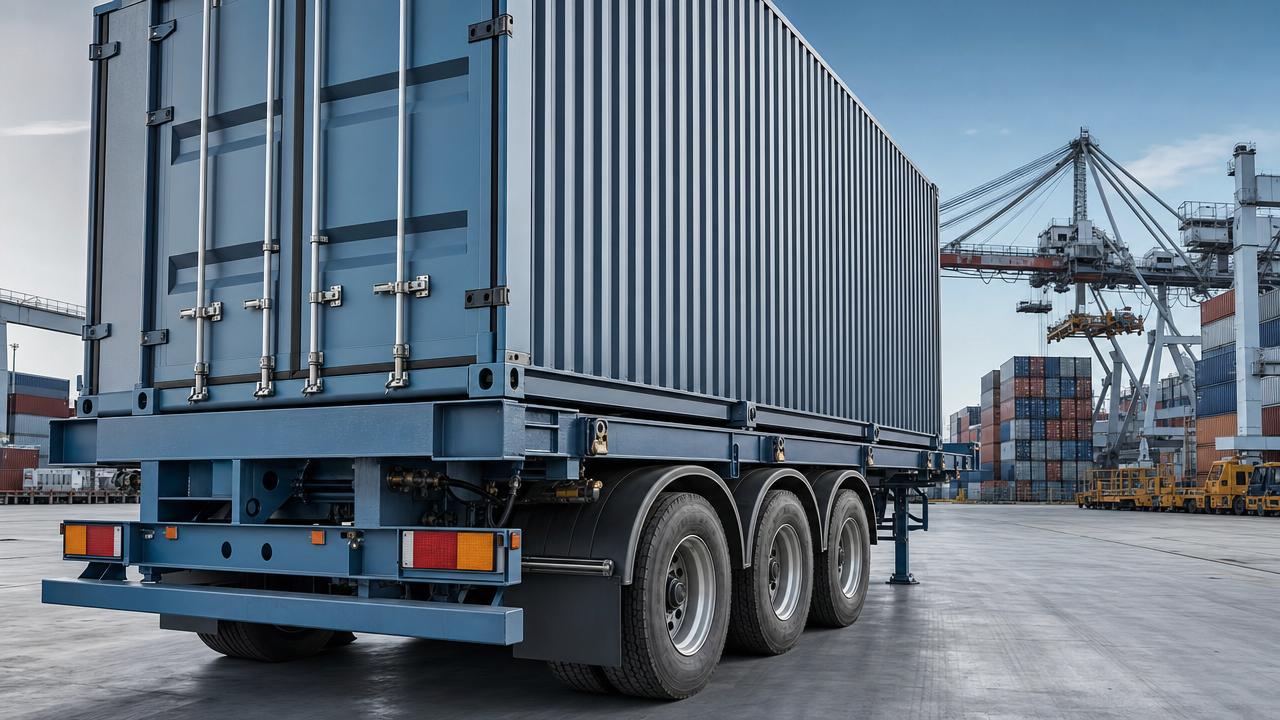
A Skeleton (Container) Semi-Trailer is built for efficient port transport, but small operating and maintenance mistakes can quickly lead to safety risks, cargo instability and higher repair costs.
For after-sales maintenance teams, recognizing these failures early improves uptime, lowers unplanned downtime, and protects long-term fleet performance in busy port conditions.
Today, port transport is changing fast. Higher container turnover, tighter safety rules, and heavier utilization are exposing common mistakes in daily Skeleton (Container) Semi-Trailer use.
What once seemed like minor negligence now creates costly delays. This is why maintenance planning, driver habits, and inspection discipline matter more than ever.
Port transport pressure is making old trailer habits more risky
Port operations no longer allow much tolerance for avoidable trailer issues. Faster loading cycles increase strain on every Skeleton (Container) Semi-Trailer in active fleets.
Frequent container pickup, uneven terminal surfaces, and repeated coupling actions accelerate wear. Under these conditions, old habits often become hidden failure triggers.
Maintenance teams now see more lock failures, frame stress, lighting damage, and tire wear caused by misuse rather than pure component age.
Key trend signals seen in port fleets
- Shorter turnaround times reduce inspection discipline.
- Container weight variation increases axle and suspension stress.
- Terminal road conditions speed up structural fatigue.
- Higher compliance standards raise the cost of small mistakes.
- More cross-border operations demand stronger maintenance records.
The most common mistakes with a Skeleton (Container) Semi-Trailer are operational, not accidental
Most serious issues do not begin with sudden breakdowns. They start with repeated errors during loading, parking, turning, locking, and routine checking.
A Skeleton (Container) Semi-Trailer works in a narrow tolerance range. Small misuse in daily operation can quickly turn into structural or safety problems.
Mistake 1: Failing to confirm container lock engagement
Twist locks are critical on any Skeleton (Container) Semi-Trailer. Partial engagement is one of the most dangerous mistakes in port transport.
Operators may assume the container is secure after positioning. However, dirt, misalignment, or worn lock parts can prevent full locking.
This creates container movement during braking or turning. It also increases deck stress and may damage lock seats and cross members.
Mistake 2: Overloading or poor weight distribution
A Skeleton (Container) Semi-Trailer is designed around specific axle loads. Uneven or excessive weight damages tires, suspension parts, and the frame.
Many failures appear first as abnormal tire wear. Later, teams may find cracked welds, bent members, or reduced braking stability.
Mistake 3: Ignoring landing gear abuse
Landing gear often suffers from side loading and rough ground contact. This is common in busy yards with uneven surfaces.
Improper trailer parking or coupling under load can bend the gear, damage crank systems, and create instability during uncoupling.
Mistake 4: Delaying chassis and weld inspections
Port vibration, shock loads, and corrosion affect the full trailer structure. Waiting for visible deformation is already too late.
Cracks often start near suspension mounts, lock bases, and gooseneck stress points. Early detection prevents larger frame failures.
Mistake 5: Neglecting brake and lighting systems
A Skeleton (Container) Semi-Trailer in port service faces frequent stop-start movements. Brakes and lights receive continuous stress and exposure.
Air leaks, worn linings, broken connectors, and damaged lamps often come from delayed inspections and poor cable routing.
Why these mistakes are becoming more common in modern port environments
The increase is not random. Port transport conditions are changing in ways that expose every weak operating habit.
These changes mean every Skeleton (Container) Semi-Trailer needs more disciplined use, not just stronger hardware.
The impact spreads across safety, maintenance cost, and fleet availability
A single operating mistake can trigger several linked problems. The effect is rarely limited to one repair item.
For example, poor container locking may cause sudden load shift. That may lead to tire scrubbing, frame stress, brake imbalance, and schedule delays.
In high-frequency operations, repeated small defects reduce service life. They also increase spare part demand and workshop labor pressure.
Main business consequences
- More unscheduled downtime for the Skeleton (Container) Semi-Trailer
- Higher repair cost from compounded damage
- Lower transport reliability during peak port cycles
- Greater risk of cargo incidents and compliance penalties
- Reduced long-term resale value of trailer assets
The focus is shifting from reactive repairs to control of high-risk details
Leading maintenance practices now emphasize prevention. The goal is to catch high-risk details before they turn into structural failures.
Priority checkpoints that deserve more attention
- Twist lock operation, wear, seating, and corrosion
- Frame welds near suspension, neck, and rear loading zones
- Landing gear alignment and base support condition
- Brake chamber, hose, and air leakage status
- Tire wear patterns showing overload or misalignment
- Electrical harness protection and lighting connection points
For each Skeleton (Container) Semi-Trailer, inspection records should connect defects with operating conditions. This reveals whether the cause is misuse, overload, or delayed service.
A practical response plan should combine inspection rhythm, training, and supply support
Improvement does not depend on one action alone. The best results come from coordinated operating rules and maintenance execution.
This approach helps extend the life of each Skeleton (Container) Semi-Trailer while supporting safer and more predictable port transport performance.
Reliable export and after-sales support matter when trailer uptime becomes a priority
As trailer use requirements become stricter, supply reliability and service coordination have greater operational value.
Shandong Livol Truck International Trade Co., Ltd., based in Shandong, China, provides integrated commercial vehicle export support with strong industry resources.
As an authorized dealer for FOTON, SHACMAN, and SINOTRUK, the company offers stable inventory, fast delivery, customization, documentation, logistics coordination, and professional after-sales support.
That combination is valuable when managing Skeleton (Container) Semi-Trailer operations across demanding port routes and time-sensitive international transport needs.
The next step is to audit recurring trailer mistakes before they become structural losses
If a Skeleton (Container) Semi-Trailer shows repeated tire wear, lock issues, or brake defects, the root cause should be reviewed immediately.
Start with operating patterns, inspection frequency, and parts condition. Then build a targeted correction plan for high-risk trailers in port service.
Early action reduces downtime, protects container safety, and improves long-term asset efficiency. In today’s port environment, disciplined trailer use is no longer optional.
Search Starts Here