
News
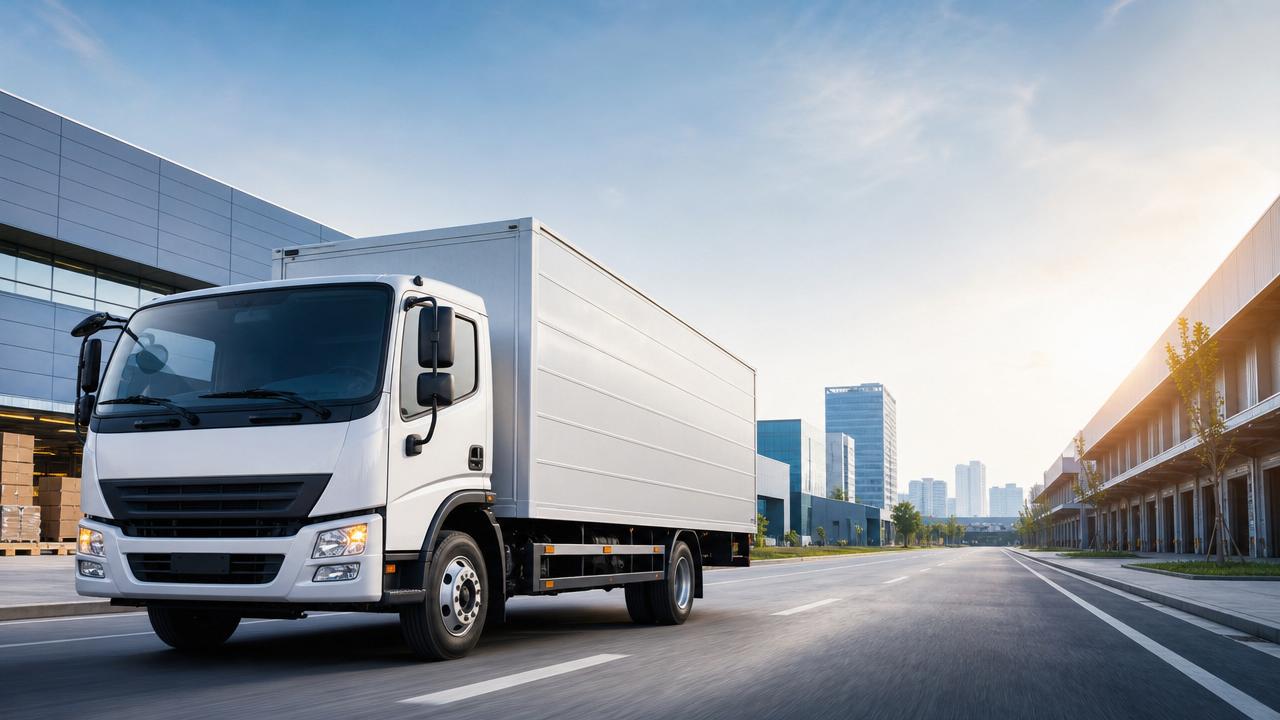
Choosing the right 4_2 Cargo Truck for urban delivery means balancing payload capacity, route efficiency and operating costs. For businesses comparing vehicle options, understanding payload limits, city road restrictions and practical route planning is essential to improving delivery performance. This article explores the key factors that influence daily urban transport decisions and helps buyers evaluate more reliable commercial vehicle solutions.
What makes a 4_2 Cargo Truck practical for urban delivery?
A 4_2 Cargo Truck is widely used in city logistics because it offers a practical balance between carrying capacity, maneuverability and operating economy. In engineering vehicle and commercial transport operations, this axle configuration is often chosen for medium-duty urban distribution, regional parcel movement, retail replenishment and light industrial deliveries.
For information-stage buyers, the main challenge is not simply choosing a truck with a larger body. The real decision lies in matching legal payload, cargo volume, turning radius, axle load distribution and route restrictions to the actual delivery pattern. A truck that looks suitable on paper may become inefficient if it enters low-emission zones, narrow streets or roads with time-based access rules.
In urban delivery, a 4_2 Cargo Truck usually performs best when the business needs more capacity than a van but cannot accept the higher road limitations and fuel cost that often come with heavier multi-axle trucks.
- It supports frequent stop-and-go distribution with better agility than larger rigid trucks.
- It can be configured for box cargo, stake body, refrigerated delivery or specialized municipal transport tasks.
- It often fits urban fleet planning where payload, compliance and turnaround time matter more than maximum gross size.
Why payload is only one part of the decision
Many buyers focus first on rated load, but payload should never be assessed in isolation. Urban delivery results depend on how weight interacts with cargo density, packaging method, road gradient, traffic frequency and unloading tools. A truck carrying beverages, hardware or construction support materials faces different loading behavior from one carrying e-commerce cartons.
A 4_2 Cargo Truck used beyond practical urban limits may suffer from slower acceleration, longer braking distances, higher tire wear and increased maintenance frequency. For city routes, legal and operational payload often matters more than theoretical body capacity.
How should buyers evaluate payload limits in real operating conditions?
Payload limits for a 4_2 Cargo Truck are affected by chassis design, wheelbase, body type, suspension setup and local regulations. Buyers should compare gross vehicle weight, curb weight and expected cargo density rather than asking only for a single payload number.
The table below helps research-stage buyers connect common urban cargo types with practical payload planning factors when selecting a 4_2 Cargo Truck.
This comparison shows why the same 4_2 Cargo Truck can perform very differently across industries. Volume-limited operations need body optimization, while weight-limited operations need stricter axle and gross weight evaluation.
Key payload checks before purchase
- Confirm the curb weight after body installation, not only the bare chassis specification.
- Check whether accessories such as refrigeration units, tail lifts or reinforced flooring reduce available payload.
- Review local legal limits for urban roads, bridges and district access permits.
- Estimate average and peak load, because seasonal overload risk is common in city fleets.
For buyers sourcing from overseas, these checks are especially important because body configuration, optional equipment and compliance documents can change the usable payload outcome after export.
Which route planning factors affect daily efficiency the most?
Route planning for a 4_2 Cargo Truck goes beyond navigation software. Fleet operators must account for city entry rules, road width, turning points, loading bay access, delivery time windows and driver rest patterns. If these factors are ignored, a truck with the right specification can still produce poor delivery performance.
In dense urban operations, route planning should be linked directly to vehicle specification. Wheelbase, body length, cab visibility and gearbox behavior influence how efficiently the truck can complete a route with repeated stops and mixed traffic conditions.
Urban route risks buyers often underestimate
- Road time restrictions that allow entry only during off-peak or night delivery windows.
- Low-clearance points, underground loading access and market streets with difficult turning angles.
- Frequent idling and traffic congestion, which raise fuel consumption beyond standard estimates.
- Uneven unloading sites that affect rear axle load and tail-lift handling safety.
A simple route planning framework
Before selecting a 4_2 Cargo Truck, buyers can organize routes into three categories: high-frequency central city delivery, mixed suburban and urban loops, and industrial district replenishment. Each route class calls for different body and driveline priorities.
The table below connects route type with truck selection priorities for urban logistics planning.
This approach helps buyers avoid a common mistake: using one generalized vehicle specification for routes that actually require different operating characteristics.
How does a 4_2 Cargo Truck compare with other urban delivery options?
During early procurement research, many businesses compare a 4_2 Cargo Truck with light vans, small rigid trucks and larger multi-axle cargo vehicles. The right choice depends on average shipment size, loading method, road access and total delivery cycle cost.
Comparison points that matter in practice
- Compared with light vans, a 4_2 Cargo Truck usually offers higher cargo capacity and more body customization options.
- Compared with smaller trucks, it often provides a better balance of payload and route flexibility for growing distribution networks.
- Compared with heavier trucks, it can reduce city access problems and improve unloading speed where urban restrictions are strict.
That said, businesses should not assume a 4_2 Cargo Truck is automatically the most economical solution. For low-volume, high-frequency express routes, smaller units may still produce lower total operating cost. For dense industrial loads, a heavier truck may reduce trip count if regulations allow it.
What specifications deserve the closest attention during procurement?
Research-stage buyers often receive many brochure figures but still struggle to compare trucks effectively. For urban delivery procurement, the most useful specification review focuses on operational relevance rather than headline numbers alone.
Priority checklist for selecting a 4_2 Cargo Truck
- Gross vehicle weight and axle ratings for legal compliance under real cargo conditions.
- Wheelbase and overall body dimensions for turning performance and loading point compatibility.
- Engine output and transmission suitability for stop-start urban operation rather than long-haul bias.
- Brake system, suspension type and tire specification for safety and maintenance control.
- Cab ergonomics, visibility and driver comfort, especially when routes involve repeated short stops.
Why service capability matters as much as product specification
For international buyers, the truck itself is only part of the purchasing equation. Export documentation, body customization, parts support, pre-shipment inspection and logistics coordination directly affect delivery schedules and fleet readiness. A supplier that can align these steps reduces procurement risk.
Shandong Livol Truck International Trade Co., Ltd. supports customers with vehicle selection, customization, documentation, customs clearance and logistics coordination. As an official authorized domestic and overseas dealer for FOTON, SHACMAN and SINOTRUK, the company can help buyers compare suitable commercial vehicle solutions based on route conditions, load plans and market-specific requirements.
What cost factors are often missed when evaluating urban fleet investment?
The purchase price of a 4_2 Cargo Truck is only one part of the fleet cost picture. Information-stage buyers should also estimate fuel consumption under congestion, tire life, maintenance intervals, driver productivity, route permit costs and downtime exposure.
A cheaper truck may become more expensive if it carries less usable payload after body installation, requires more frequent service or cannot complete planned routes due to local city restrictions.
Practical cost review points
- Estimate cost per delivery trip, not only cost per vehicle.
- Calculate how many trips are needed when the truck is volume-limited versus weight-limited.
- Include body modification cost and spare parts planning in procurement budgeting.
- Review lead time impact, because delayed delivery can create hidden operating loss.
How should buyers handle compliance, documentation and export coordination?
A 4_2 Cargo Truck intended for overseas use must be evaluated not only for technical suitability but also for destination-market documentation and practical compliance needs. Requirements vary by country, but buyers commonly need confirmation on chassis details, vehicle identification records, export paperwork, inspection arrangements and shipping planning.
When the project involves municipal delivery, refrigerated transport or engineering support logistics, additional body-related documents or local registration checks may also be necessary. Early coordination prevents delays after order confirmation.
Useful compliance questions to ask a supplier
- What is the final truck configuration after body installation and optional equipment?
- Which export documents will be prepared and at what stage?
- How is pre-shipment inspection handled before dispatch?
- What spare parts and after-sales planning should be prepared for first delivery batches?
FAQ about choosing a 4_2 Cargo Truck for urban routes
How do I know whether a 4_2 Cargo Truck is better than a van for my route?
Compare daily shipment volume, average load weight, unloading method and city access limitations. If your operation regularly exceeds van capacity, needs cargo body customization or handles denser freight, a 4_2 Cargo Truck is often more suitable. If access roads are extremely tight and payload is light, a van may still be more efficient.
What is the most common mistake in payload planning?
The most common mistake is using nominal chassis payload without accounting for body weight, refrigeration units, lifting equipment or route-specific legal restrictions. This can lead to underperforming trucks or overload risk in real operations.
Which routes are best suited to a 4_2 Cargo Truck?
It is well suited to urban-suburban loops, retail replenishment, industrial district supply, medium-duty parcel distribution and temperature-controlled city delivery where more capacity is needed than a van can provide but larger trucks would face access or cost disadvantages.
What should I prepare before requesting a quotation?
Prepare route distance, road condition, average payload, cargo dimensions, required body type, destination country, expected delivery schedule and any documentation concerns. With this information, a supplier can recommend a more accurate 4_2 Cargo Truck configuration and reduce unnecessary revisions.
Why choose us for 4_2 Cargo Truck sourcing and delivery planning support?
For buyers researching commercial vehicles for urban delivery, practical support matters as much as catalog information. Shandong Livol Truck International Trade Co., Ltd., based in Shandong, China, combines vehicle supply capability with export coordination experience across commercial vehicle projects.
As the official authorized domestic and overseas dealer for FOTON, SHACMAN and SINOTRUK, we can help customers compare 4_2 Cargo Truck options for payload limits, body configurations and route suitability. Our network of authorized 4S stores across China and stable vehicle inventory supports faster supply planning and more reliable delivery arrangements.
If you are evaluating models for city logistics, engineering support transport or market-specific distribution fleets, you can consult us for parameter confirmation, body customization direction, delivery cycle estimation, export documentation scope, spare parts planning and quotation communication. Sharing your target payload, route conditions and destination market requirements will help us recommend a more suitable vehicle solution from the start.
Search Starts Here