
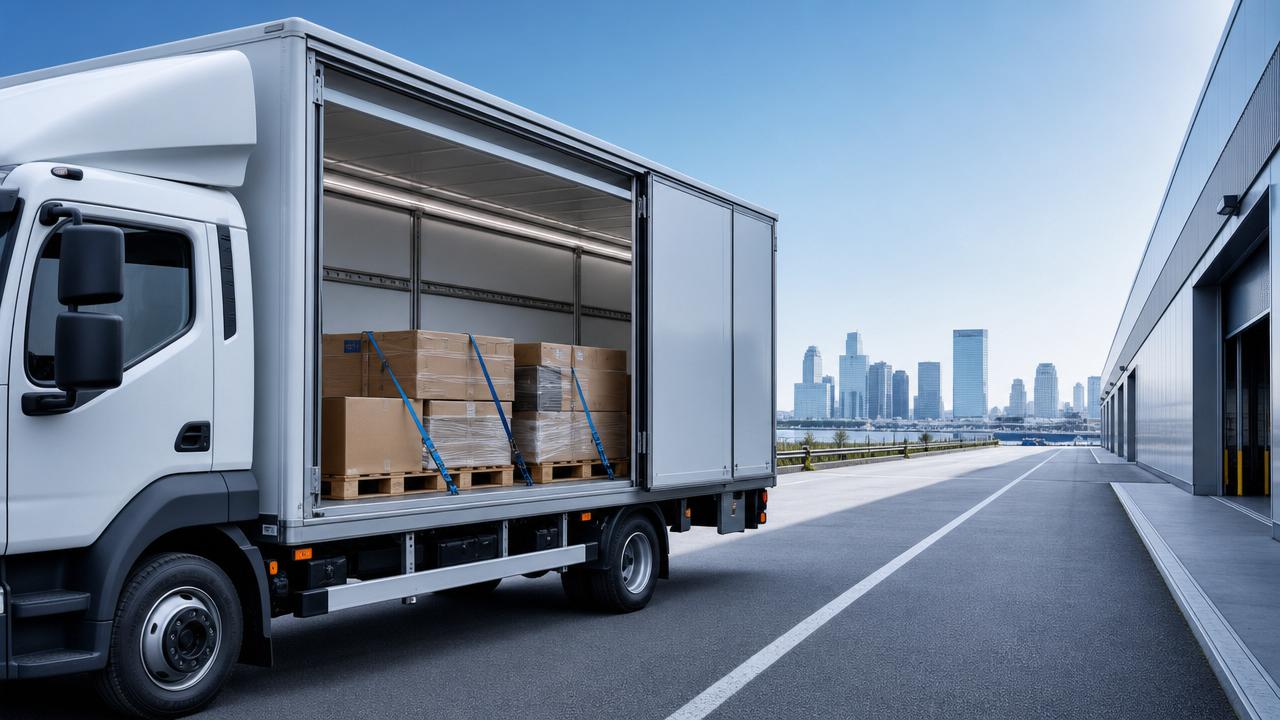
4_2 Cargo Truck Load Planning Tips for Urban Delivery Routes
Efficient urban delivery starts with smart load planning, especially when operating a 4_2 Cargo Truck through narrow streets, frequent stops, and tight schedules.
For drivers and operators, proper weight distribution, route matching, and cargo organization can improve safety, reduce fuel consumption, and protect both the vehicle and goods.
This guide shares practical load planning tips to help you use your truck more efficiently in city logistics while maintaining reliable performance on every delivery route.
Why Load Planning Matters More in Urban Delivery
City delivery is different from highway transport because the truck stops often, turns frequently, and works under constant time pressure.
A 4_2 Cargo Truck is valued for flexibility, but poor loading can quickly reduce braking stability, steering control, and unloading efficiency.
Drivers usually feel the impact first through longer braking distance, heavier steering, uneven tire wear, or cargo movement inside the body.
Good planning helps operators avoid repeated cargo rearrangement, damaged goods, unnecessary fuel use, and delays at crowded delivery points.
The main goal is simple: place the right cargo in the right position, according to weight, delivery order, and road conditions.
Know Your Truck Capacity Before Loading
Before planning any route, operators should confirm the rated payload, body dimensions, axle limits, and local road weight regulations.
Never load only by available space, because volume can hide overweight risks, especially with beverages, building materials, tools, or machinery parts.
A 4_2 Cargo Truck may look only partly full, yet still exceed safe axle loading if heavy items are concentrated incorrectly.
Check the vehicle plate, user manual, or fleet instruction sheet before accepting cargo that may challenge payload or body structure limits.
For mixed goods, estimate weight by category and record it before loading, instead of guessing after the cargo is already inside.
This habit helps prevent fines, mechanical stress, suspension damage, tire overheating, and unsafe handling during emergency braking or sharp turns.
Distribute Weight for Stable Steering and Braking
The heaviest cargo should generally be placed low and near the center of the cargo body, not at the rear edge.
Keeping weight balanced between left and right sides helps the truck remain stable when turning through intersections or entering narrow lanes.
If one side is much heavier, the vehicle may lean, tires may wear unevenly, and cornering can become less predictable.
Avoid stacking heavy goods on top of lighter packages, because this raises the center of gravity and increases rollover risk.
When using pallets, place dense pallets forward of the rear axle area, while still respecting front axle loading and steering requirements.
After loading, drivers should observe whether the truck sits level and whether tire sidewalls show unusual compression before departure.
Plan Loading According to Delivery Sequence
Urban routes often include many stops, so the first delivery should not be buried behind goods for the final customer.
Load planning should follow the unloading sequence, with earlier deliveries positioned near the door or side access when possible.
This reduces time spent searching, lifting, and moving cargo at each stop, which is especially important in restricted parking areas.
For multi-stop routes, divide the cargo area into zones, such as front, middle, rear, left, and right delivery sections.
Use labels, color marks, or route numbers so drivers can identify the next shipment without opening every carton or pallet.
Good sequencing also reduces cargo damage, because goods are handled fewer times and are less likely to be dragged or dropped.
Match Cargo Type With Proper Securing Methods
Different cargo types need different securing methods, and one simple rope is rarely enough for a full urban delivery route.
Boxes should be stacked evenly and supported by walls, straps, or partitions to prevent shifting during braking and acceleration.
Fragile goods need cushioning, separation, and stable placement away from heavy items that may press or slide against them.
Cylindrical goods, barrels, and rolls require chocks or blocking materials, because they can move suddenly when the truck turns.
For loose items, use bins, cages, nets, or compartment dividers to keep small goods from spreading across the floor.
Securing cargo is not only about protecting goods; it also protects drivers when they open rear doors after a bumpy route.
Consider Route Conditions Before Finalizing the Load
A loading plan should reflect the route, not only the cargo list, because city roads vary greatly during one shift.
Narrow streets, speed bumps, underground entrances, steep ramps, and crowded markets all affect how the 4_2 Cargo Truck should be loaded.
If the route includes many tight turns, keep cargo especially stable and avoid high stacks that may lean or collapse.
If the route includes rough roads, add extra padding and securement for goods that may vibrate, rub, or shift.
For routes with restricted delivery windows, prioritize fast unloading and clear access over maximum space utilization inside the cargo body.
The best plan is the one that matches real driving conditions, not the one that looks neat only at the warehouse.
Control Load Height and Visibility Risks
Although cargo is usually carried inside the body, load height still affects vehicle balance, access, and safe handling during unloading.
High stacks may save floor space, but they increase sway and make goods harder to inspect, secure, or remove safely.
Drivers should avoid stacking beyond the safe limit of cartons, pallets, shelves, or the internal cargo body structure.
If goods must be stacked, place heavier and stronger packages below, with lighter and more fragile goods on top.
Keep access paths clear when operators need to enter the body, especially for routes involving many small customer deliveries.
A stable, moderate stack height is usually better than a tightly packed load that becomes dangerous after several stops.
Reduce Fuel Consumption Through Smarter Loading
Fuel efficiency in urban delivery is strongly affected by stop-and-go driving, idling time, vehicle weight, and route organization.
Operators cannot remove traffic, but they can reduce unnecessary weight and avoid carrying goods not needed for that route.
Every extra kilogram requires energy during acceleration, especially when the truck starts repeatedly from traffic lights or delivery bays.
Balanced loading also reduces rolling resistance caused by uneven tire pressure, poor alignment stress, and overloaded rear suspension components.
When drivers can unload faster, the engine spends less time idling near shops, warehouses, apartment blocks, and loading areas.
Over time, careful load planning can lower operating costs while also reducing fatigue for drivers and loading workers.
Use a Simple Pre-Departure Loading Checklist
A short checklist helps operators avoid mistakes when schedules are tight and several workers are loading the same vehicle.
First, confirm total cargo weight, delivery sequence, customer addresses, special handling requirements, and whether any goods are high risk.
Second, check that heavy goods are low, centered, and separated from fragile packages, food items, or sensitive equipment.
Third, inspect straps, locks, pallets, doors, tail lift areas, and any partitions before the vehicle leaves the loading point.
Fourth, confirm that documents, invoices, delivery notes, customs papers, or customer receipts are placed where the driver can access them.
Finally, walk around the truck and check tires, lights, mirrors, body doors, suspension appearance, and unusual vehicle tilt.
Common Loading Mistakes Operators Should Avoid
One common mistake is loading by convenience at the warehouse, instead of considering the actual delivery order on the route.
Another mistake is placing heavy items at the rear, which can reduce steering confidence and affect braking stability.
Some operators also ignore partial unloading effects, where the truck becomes unbalanced after several stops remove goods from one side.
To avoid this, plan the route so weight reduction happens gradually and does not leave one axle or side overloaded.
Do not rely on experience alone when cargo types change, because familiar routes can become risky with unfamiliar weight distribution.
Small errors may seem acceptable at low speed, but urban emergencies require quick braking, fast steering, and predictable vehicle response.
How Drivers Can Adjust During the Route
Even a good loading plan may need adjustment after several deliveries, especially when cargo is removed from only one section.
At safe stopping points, drivers should check whether remaining goods have shifted, loosened, or become unstable after earlier unloading.
If straps are loose, tighten them before continuing, rather than waiting until the next customer location or final stop.
When the remaining load becomes concentrated at the rear or one side, reposition it if safe equipment and time are available.
Drivers should report repeated loading problems to dispatchers, because better warehouse planning can prevent the same issue tomorrow.
Urban delivery improves when drivers, loaders, and route planners share feedback instead of treating loading as a one-time task.
Choosing the Right Truck Specification for Urban Work
Load planning becomes easier when the truck specification matches the delivery job, cargo type, road environment, and unloading method.
For city logistics, buyers often consider cargo body length, door type, turning radius, cab comfort, engine performance, and braking system.
A 4_2 Cargo Truck can support many urban applications, including retail distribution, parcel delivery, food supply, hardware transport, and service logistics.
However, the right configuration depends on payload needs, local regulations, route distance, loading dock height, and customer delivery conditions.
Shandong Livol Truck International Trade Co., Ltd. supplies commercial vehicles from FOTON, SHACMAN, and SINOTRUK for diverse operating demands.
With vehicle selection, customization, documentation, customs clearance, logistics, and after-sales support, Livol helps operators choose practical export solutions.
Practical Daily Habits for Safer Urban Deliveries
Good loading is not a complicated theory; it is a daily habit built through checks, communication, and consistent operating standards.
Drivers should keep the cargo floor clean and dry, because dust, oil, and packaging waste can increase slipping risks.
Loading teams should avoid rushing the final inspection, since most cargo movement problems begin before the truck leaves the warehouse.
Dispatchers should group deliveries logically, reducing unnecessary route crossing and avoiding loads that require constant rearrangement during the day.
Operators should record damage cases, fuel changes, tire wear, and delivery delays to identify loading patterns that need improvement.
When these habits become routine, the 4_2 Cargo Truck becomes safer, more efficient, and more predictable in city service.
Conclusion: Smart Loading Turns Capacity Into Real Efficiency
A 4_2 Cargo Truck can be highly effective for urban delivery, but its performance depends greatly on how it is loaded.
Operators should balance weight, follow delivery sequence, secure cargo properly, and adjust the plan according to real route conditions.
The best load plan protects the vehicle, saves time, reduces fuel consumption, and helps drivers complete deliveries with fewer problems.
For daily city logistics, smart loading is not extra work; it is one of the simplest ways to improve operating results.