
News
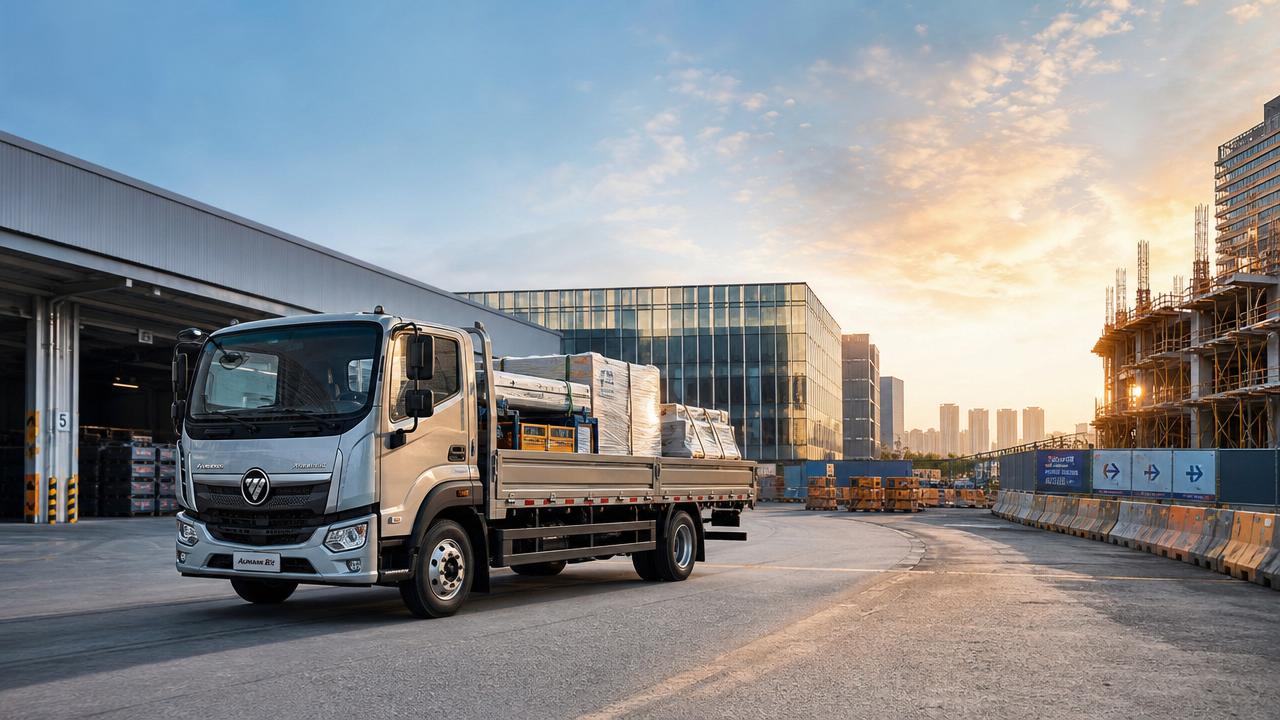
In fast-paced urban logistics and construction operations, the 4_2 Cargo Truck stands out as a practical solution for both city delivery and site transport. For project managers and engineering leaders, choosing the right vehicle means better efficiency, lower operating costs and more reliable scheduling. With strong load adaptability and flexible road access, this truck type has become an essential asset for businesses seeking stable performance in demanding working environments.
Why is the 4_2 Cargo Truck so practical for urban delivery and project transport?
For many engineering and infrastructure projects, transport planning is not just about moving goods. It affects labor coordination, site productivity, fuel consumption, and daily delivery reliability. A 4_2 Cargo Truck fits this requirement because it balances payload, maneuverability, and operating simplicity.
Compared with larger multi-axle commercial trucks, a 4_2 Cargo Truck is easier to operate in city streets, temporary access roads, warehouse loading zones, and mixed-use industrial districts. Compared with lighter vans or pickups, it delivers stronger carrying capacity and better suitability for repetitive transport tasks.
- It can support scheduled delivery of construction materials, tools, packaged equipment, and maintenance parts within urban or peri-urban project areas.
- It typically offers a practical body size for congested roads, narrow site entrances, and time-sensitive unloading operations.
- It helps project teams maintain more predictable transport cycles when road restrictions or site access limitations make larger vehicles inefficient.
For project managers, this means fewer delays caused by mismatched vehicle size, lower risk of underutilized fleet capacity, and stronger flexibility when delivery priorities change during the day.
Typical operating value in engineering vehicle fleets
In engineering vehicle applications, the 4_2 Cargo Truck often serves as a mid-range transport unit. It can bridge the gap between local city delivery vehicles and heavy-duty construction transport trucks. That makes it useful for projects that need fast material turnover without sending oversized vehicles into restricted areas.
Which application scenarios are best suited to a 4_2 Cargo Truck?
The strongest reason to choose a 4_2 Cargo Truck is its versatility across several job environments. The truck performs well where loads are meaningful, routes are repetitive, and urban traffic conditions require practical dimensions.
The table below shows common engineering and logistics scenarios where a 4_2 Cargo Truck is frequently considered during fleet planning.
What matters here is not only payload. The real advantage is route efficiency. A 4_2 Cargo Truck can often complete more useful deliveries per shift when compared with larger vehicles that lose time at gates, on urban turns, or during parking and unloading.
Urban logistics and last-mile engineering support
In city logistics linked to engineering projects, delivery windows are usually narrow. Materials may need to arrive before concrete work begins, before road closures, or before tower crane schedules start. A 4_2 Cargo Truck gives dispatch teams more control over these timing constraints.
Site transport between staging yards and active work zones
Many projects use off-site storage or a staging yard because inner-city space is limited. In that setup, the 4_2 Cargo Truck becomes the link between stock and installation point. It helps reduce waiting time on site and avoids overloading access lanes with oversized vehicles.
What technical factors should project managers review before purchase?
A 4_2 Cargo Truck may look similar across suppliers, but procurement quality depends on details. Project managers should assess the truck against route conditions, cargo type, maintenance planning, and local compliance requirements rather than focusing on price alone.
- Cargo body type: select stake body, box body, or flatbed configuration based on whether the load requires weather protection, side loading, or crane support.
- Powertrain suitability: urban delivery often favors fuel-efficient output and smooth low-speed torque rather than excessive top-end power.
- Chassis durability: site entrances, uneven loading zones, and mixed paved-unpaved routes demand reliable frame strength and suspension matching.
- Cab comfort and safety: long shift operation benefits from ergonomic layout, visibility, braking confidence, and driver fatigue reduction.
- Serviceability: parts availability, maintenance access, and after-sales support directly affect downtime risk.
For engineering vehicle fleets, small specification differences can produce major effects in daily operations. A truck that is oversized for the route wastes fuel and access flexibility. A truck that is underspecified creates wear, delivery delays, and repeated dispatch inefficiencies.
The table below provides a practical selection framework for comparing a 4_2 Cargo Truck against project transport requirements.
This kind of evaluation is especially useful when fleet decisions involve multiple countries, local adaptation needs, or mixed urban and site-use duties. It helps project leaders compare offers on operational fit, not just unit cost.
4_2 Cargo Truck versus larger or lighter transport options
A common procurement mistake is comparing all commercial vehicles only by payload headline. In reality, the best transport solution depends on route density, unloading pattern, cargo protection needs, and utilization rate across the work week.
The comparison below helps clarify where a 4_2 Cargo Truck usually sits in the decision process.
For project managers, the lesson is clear. If your work involves daily city access, distributed delivery points, and changing site priorities, the 4_2 Cargo Truck often provides the strongest operational balance.
When a larger truck may still be the better choice
If the route is long-haul, cargo is consistently heavy, and loading is centralized, a bigger truck may reduce unit freight cost. But if the final delivery environment is constrained, fleet planners often still keep a 4_2 Cargo Truck for the last operational leg.
How to control cost without hurting fleet reliability
Purchase price is only one part of transport economics. In engineering vehicle use, real cost comes from fuel burn, downtime, repair frequency, driver productivity, loading efficiency, and delivery failure risk. A cheap unit with poor support can become expensive within one project cycle.
- Define the actual operating profile. Count trips per day, average distance, cargo pattern, and site entry limits before asking for quotation.
- Check parts and service readiness. Stable support matters more than a minor price reduction when the truck is part of daily project scheduling.
- Consider body customization early. Retrofitting after delivery often costs more and delays deployment.
- Review total fleet mix. Sometimes two properly configured 4_2 Cargo Truck units create better uptime than relying on one overloaded larger vehicle.
Budget-conscious buyers should not aim for the lowest invoice figure. They should aim for the lowest operational disruption across the project timeline.
What should international buyers ask about compliance and export readiness?
For overseas procurement, the vehicle itself is only part of the equation. Documentation, customs coordination, packaging arrangements, and technical matching to destination requirements all influence delivery success. This is where an experienced exporter becomes important.
- Ask whether the truck specification can be aligned with local road, axle, or registration requirements in the destination market.
- Confirm document support for export processing, customs clearance, and logistics coordination.
- Review whether body configuration, tires, lighting, or safety items need adaptation for the receiving country.
- Check the supplier’s ability to support after-sales communication and spare parts planning after shipment.
Shandong Livol Truck International Trade Co., Ltd. operates as an authorized domestic and overseas dealer for FOTON, SHACMAN and SINOTRUK, with broad 4S store resources across China and sufficient vehicle inventory. For buyers managing engineering fleets, this matters because supply continuity and delivery speed can directly affect project startup schedules.
Its professional export team supports vehicle selection, customization, documentation, customs clearance, and logistics. That kind of full-process coordination is especially valuable when a 4_2 Cargo Truck must be delivered with specific body arrangements, time-sensitive shipment planning, or clear handover documents for local registration.
Common mistakes when choosing a 4_2 Cargo Truck
Project teams often know they need a medium-duty transport vehicle, but still lose value because of incomplete selection criteria. The following mistakes are common in engineering vehicle procurement.
- Choosing by price only and ignoring route conditions, especially road width, turning constraints, and loading platform compatibility.
- Ignoring cargo body design, which leads to inefficient loading, damaged goods, or extra labor at site.
- Underestimating after-sales support, spare parts planning, and service response in overseas use.
- Selecting a truck based on occasional peak load rather than normal daily use, resulting in poor utilization.
- Failing to coordinate export documentation and destination compliance until late in the process.
A better approach is to define the operating scenario first, then compare vehicle solutions against that scenario in a structured way.
FAQ about 4_2 Cargo Truck selection and deployment
How do I know if a 4_2 Cargo Truck is right for my project?
It is usually a strong choice when your operation requires medium-duty cargo movement, regular urban access, and repeated trips between warehouse, yard, and project site. If larger trucks struggle with access or light vehicles need too many trips, a 4_2 Cargo Truck often becomes the most balanced solution.
What body type should I choose for engineering delivery?
That depends on cargo handling. A box body works well for weather-sensitive equipment and packaged parts. A flatbed or stake body can be more suitable for construction materials, irregular loads, or jobs requiring fast side loading and unloading. Matching body style to loading method is critical.
What should I ask an exporter before placing an order?
Ask about available stock, configuration options, export documents, shipping timelines, destination adaptation, and spare parts support. For project-based procurement, also confirm whether delivery timing can align with site mobilization schedules.
Can one 4_2 Cargo Truck handle both city delivery and site transport?
In many cases, yes. That is one of its main advantages. However, success depends on selecting the right chassis setup, cargo body, and durability level for the working environment. If the truck will enter rough or temporary access roads frequently, this should be considered during specification review.
Why choose us for 4_2 Cargo Truck sourcing and export support?
For project managers and engineering leaders, vehicle supply is not only about buying equipment. It is about securing a reliable transport solution that fits schedule, route, cargo, and compliance requirements. That is where Shandong Livol Truck International Trade Co., Ltd. provides practical value.
- Authorized access to FOTON, SHACMAN and SINOTRUK resources helps buyers compare suitable commercial vehicle options under one professional export channel.
- A large authorized 4S network and sufficient vehicle inventory support more stable supply and faster response for urgent procurement plans.
- Full-process service covers vehicle selection, customization, documentation, customs clearance, and logistics coordination, reducing communication gaps during cross-border purchasing.
- Professional quality control and after-sales support help buyers manage operational risk after delivery, not only before shipment.
If you are evaluating a 4_2 Cargo Truck for urban delivery, site transport, industrial distribution, or engineering support fleets, you can contact us to discuss specific parameters, body configuration, delivery cycle, export documents, destination requirements, and quotation planning.
A clear discussion at the start can save weeks later. Share your route conditions, cargo type, project timeline, and market requirements, and we can help you review suitable vehicle options and a practical export solution.
Search Starts Here