
News
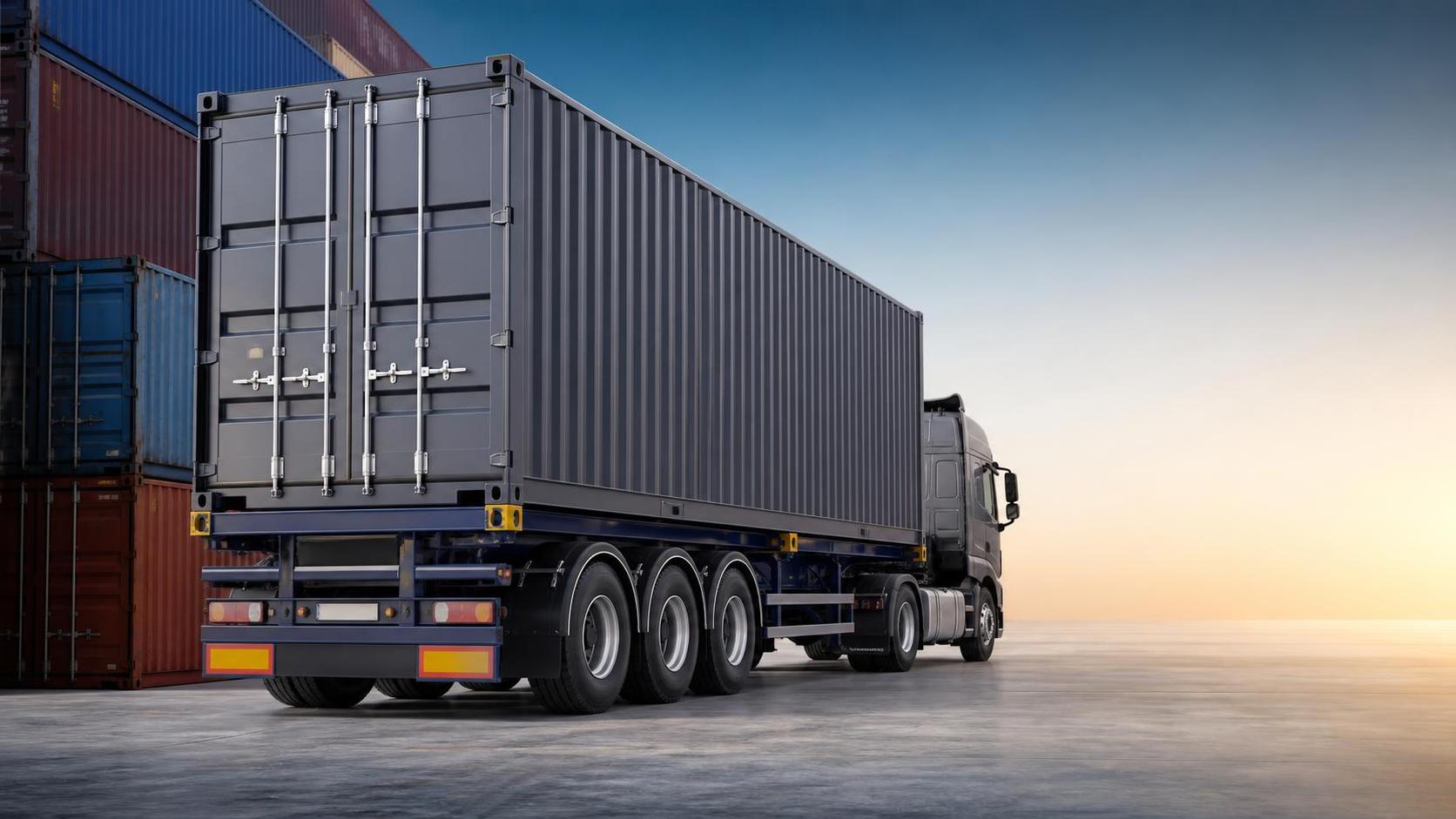
When a yard is busy and trailers are being turned around quickly, one of the most common questions is simple: what cargo actually fits best on a skeleton container semi-trailer? People often assume it can carry “almost anything” because the frame looks open and flexible. That assumption is where loading problems start. Cargo that is too short, too loose, too heavy in the wrong place, or not meant for container locks can create stability issues, damage the load, or slow down operations.
A Skeleton (Container) Semi-Trailer is built for one main job: carrying standard shipping containers safely and efficiently. If you are dealing with port transfers, warehouse moves, or intermodal freight, the right answer is not just about size. It is also about the way the cargo sits on the frame, how it is secured, and whether it matches the trailer’s support points. Getting this wrong can mean wasted trips, inspection delays, and extra wear on equipment.
The cargo that fits the design best
The best fit is standard shipping containers, especially the common sizes used in domestic and international logistics. A skeleton trailer is made to support the container at its corner castings, so the load is carried where the trailer is designed to carry it. That is the cleanest, safest, and most efficient use of the equipment.
In practice, this means loaded or empty containers that match the trailer’s locking arrangement and rated length. The trailer is not meant to “hold” cargo directly across the deck the way a flatbed would. If the load is a container, the structure works with the trailer. If it is loose freight, the match is much weaker unless the freight is first packed into a proper container.
Where confusion usually starts
Many operators run into trouble when a shipment does not look fully containerized. Someone sees steel coils, packaged goods, machinery parts, pallets, or construction materials and asks whether they can be placed directly on a Skeleton (Container) Semi-Trailer. The answer depends less on what the cargo is made of and more on how it is prepared for transport.
If the cargo is already inside a standard container, the decision is easy. If it is loose, unstable, oversized, or needs side support, a skeleton trailer is usually not the right tool by itself. It may still be part of the transport chain, but only after the cargo is packed, secured, or transferred into a container that matches the trailer.
A simple way to judge fit before loading
Before dispatch, it helps to ask four practical questions. First, is the cargo inside a standard container? Second, does the container length match the trailer’s locking positions? Third, is the weight distributed in a way the container and trailer can handle? Fourth, does the route or terminal require anything special for intermodal handling?
If the answer to the first question is yes, the rest becomes much easier. If the answer is no, you should stop and check whether another trailer type is better, or whether the cargo should be repacked. This short pause often prevents the longer delay that comes from correcting a bad loading decision later.
- Best fit: standard loaded containers
- Also suitable: empty containers moved for repositioning
- Less suitable: loose cargo without container packaging
- Usually not suitable: irregular freight that needs a full deck or side restraint
What happens when the cargo is not a good match
If cargo does not fit the trailer’s purpose, problems show up quickly. Load security becomes harder. Corner locks may not engage correctly. The center of gravity may shift in ways the operator did not plan for. Even when the freight seems “secure enough” at first glance, the vibration of road transport can expose weak points fast.
There is also the operational side. A trailer that is meant for containers but is used for the wrong freight can create confusion at the gate, at the yard, or during handover. Workers may need extra equipment, more manual checks, or a different loading sequence. That slows the whole move and increases the chance of damage.
Choosing the right use case in real work
If your daily work involves moving sealed containers between ports, depots, rail terminals, and warehouses, the skeleton trailer is usually the most efficient choice. It keeps the load low, gives access for container handling equipment, and makes the loading process straightforward.
For fleet users, this is also where the trailer earns its value. Because the frame is simpler than a full-bodied trailer, it works well in repeated container cycles and makes turnaround easier. For operators, that means fewer loading decisions to overthink, as long as the cargo is in the right format from the start.
Shandong Livol Truck International Trade Co., Ltd., as a commercial vehicle exporter, supplies container trailer options through an export process that can include vehicle selection, customization, documentation, customs clearance, and logistics. For buyers planning a fleet around container transport, having the right trailer specification matters just as much as the cargo itself.
Practical loading habits that prevent mistakes
Most loading errors are not dramatic; they are small oversights. A container may be correct in size but not properly seated. A trailer may be rated for a certain layout, but the operator may overlook the lock position. A cargo plan may look fine on paper, yet the team may skip a final walk-around before departure.
A better routine is to confirm the container type, inspect the locking points, verify that the load sits evenly, and make sure the route plan matches the transport mode. When the trailer, container, and handling equipment are all aligned, the move feels routine for a reason: the system is doing exactly what it was designed to do.
When another trailer may be the smarter answer
If the freight is not containerized and cannot be packed that way, a skeleton trailer is usually not the first choice. In those cases, a different trailer style may fit the job better. The main point is not to force the cargo onto the trailer type because it is available. The main point is to match the equipment to the load preparation.
That decision saves time later. It also protects the cargo from unnecessary movement and keeps the operation more predictable. For operators, predictability is often more valuable than trying to make one trailer cover every possible load.
Final rule of thumb
If the cargo is a standard shipping container, a Skeleton (Container) Semi-Trailer is usually the best match. If it is loose, irregular, or depends on deck support rather than container corner locks, it probably needs another transport setup. That simple distinction helps avoid most loading mistakes and keeps container work moving the way it should: safely, quickly, and without unnecessary adjustments.
Search Starts Here