
News
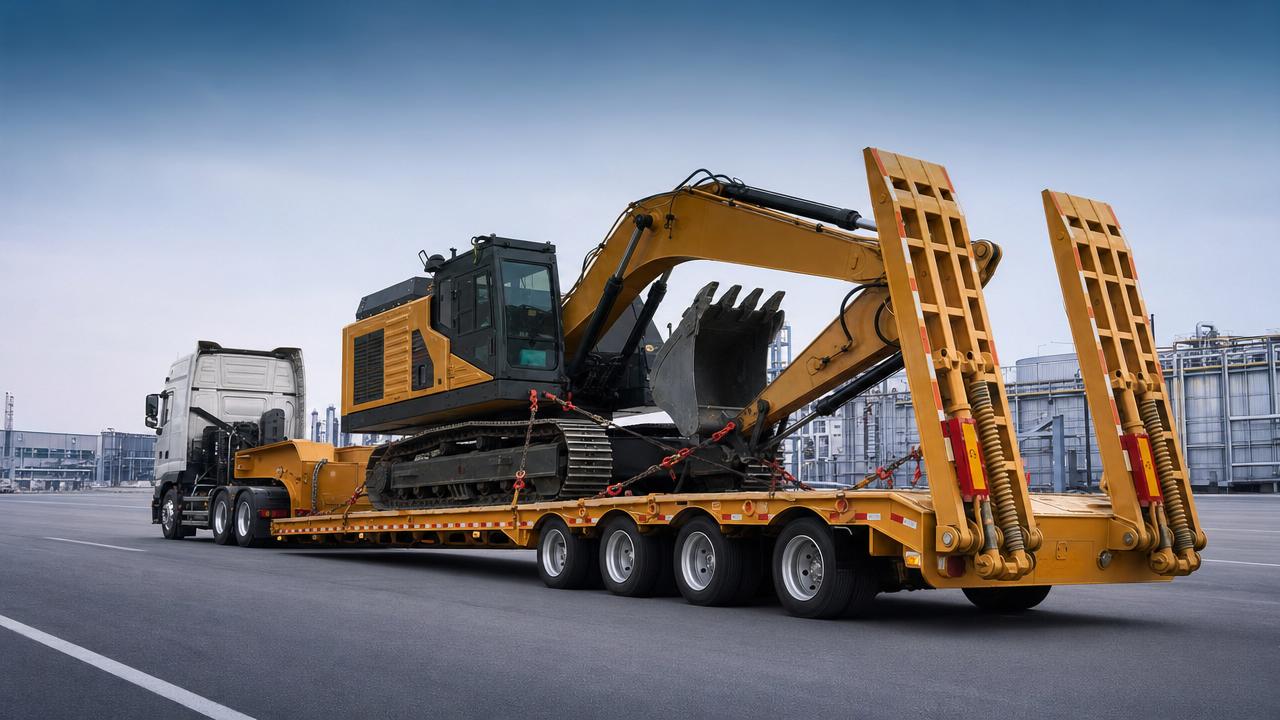
How the Right Low Plate Setup Reduces Oversize Cargo Risk
Moving oversized equipment without the right Low Plate trailer setup can trigger delays, claims, and avoidable safety problems.
In real projects, transport risk rarely comes from one mistake. It usually builds through poor load matching, weak route planning, and rushed execution.
That is why a Low Plate solution should be viewed as a project control tool, not only a trailer purchase.
A well-configured Low Plate helps protect cargo stability, lowers transport height, improves legal compliance, and keeps site schedules more predictable.
For engineering transport, the right setup also supports smoother loading, better axle distribution, and fewer surprises at checkpoints or bridge crossings.
Why Oversize Cargo Moves Go Wrong So Often
Oversize transport looks simple on paper. In practice, each move combines weight, dimensions, terrain, permits, weather, and delivery timing.
If the Low Plate specification does not match the equipment, risk rises immediately.
Common issues include excessive deck height, poor turning clearance, unstable center of gravity, and uneven pressure on axles or tires.
These problems can lead to road restrictions, escort changes, loading difficulty, or damage during braking and cornering.
More importantly, every delay affects crane bookings, site teams, installation windows, and cash flow.
So the real cost of a weak Low Plate setup is much larger than freight alone.
Typical risk points during transport
- Cargo height exceeds route clearance after loading.
- Low Plate axle layout does not suit cargo weight concentration.
- Loading angle is too steep for tracked or wheeled equipment.
- Tie-down points are insufficient for long-distance vibration.
- Trailer deck length leaves poor balance between front and rear loads.
- Road permits are based on assumptions rather than actual dimensions.
What to Match First in a Low Plate Trailer Setup
The first job is to match the Low Plate to the load profile, not just the rated payload.
A transformer, excavator, crusher, or module frame may share similar weight, yet each demands a different transport logic.
Start with four core factors: cargo weight, load distribution, overall dimensions, and loading method.
1. Deck height and cargo center of gravity
A Low Plate is valuable because it reduces total loaded height.
That lower stance improves stability and expands route options under bridges, wires, and plant structures.
For tall machinery, even a small drop in deck height can make permit approval easier.
2. Axle count and load distribution
The correct Low Plate setup spreads weight safely across legal axle limits.
If the load is concentrated in one zone, axle stress rises and handling suffers.
This matters especially on uneven roads, temporary haul routes, and industrial access roads.
3. Deck length and usable platform space
A Low Plate should give enough loading space without creating poor turning performance.
Long cargo needs secure positioning, but too much empty platform can reduce balance and tie-down efficiency.
4. Ramp design and loading access
Tracked machines and wheeled equipment require different ramp angles and surface grip.
A good Low Plate setup shortens loading time and reduces damage risk during entry and exit.
Key Low Plate Features That Improve Safety and Control
Not every Low Plate offers the same level of control in heavy-duty operations.
The better signal is whether the trailer design supports predictable performance under real transport pressure.
- High-strength frame: resists twisting under concentrated heavy loads.
- Reliable suspension: improves stability on rough roads and temporary access routes.
- Strong tie-down points: support safer securing for long, tall, or irregular cargo.
- Durable deck surface: helps control machine movement during loading.
- Quality braking system: reduces stopping risk with heavy oversize cargo.
- Serviceable structure: makes inspections and maintenance easier between projects.
These features matter because oversize transport is rarely a one-time event. The trailer must perform repeatedly, under changing routes and timelines.
A Practical Low Plate Selection Checklist
When selecting a Low Plate, decisions should be tied to operating conditions, not only catalog numbers.
A simple review process can prevent expensive rework later.
- Confirm cargo dimensions in loaded condition, including attachments and packaging.
- Map actual route constraints, not only standard road assumptions.
- Check legal axle loads and regional permit rules.
- Match Low Plate deck height to clearance limits and stability needs.
- Review ramp style, deck length, and loading method.
- Verify tie-down points, brake system, and maintenance support.
- Evaluate supplier response speed for delivery, parts, and documentation.
This process keeps the Low Plate choice aligned with project reality, which is where most transport decisions succeed or fail.
Why Supply Strength and Export Experience Matter
Even the right Low Plate specification can lose value if supply is slow or export support is weak.
In actual business, delivery timing, paperwork accuracy, and after-sales response affect project outcomes almost as much as equipment quality.
Shandong Livol Truck International Trade Co., Ltd. brings an advantage here through strong vehicle resources and organized export execution.
Based in Shandong, China, the company is a professional commercial vehicle exporter with solid industry strength and broad global trade experience.
As an official authorized domestic and overseas dealer for FOTON, SHACMAN, and SINOTRUK, it can support customers with dependable sourcing options.
Its authorized 4S store network across China and sufficient vehicle inventory help maintain stable supply and faster delivery cycles.
That matters when a Low Plate requirement is urgent, customized, or linked to a fixed project milestone.
With a professional export team, the company also supports vehicle selection, customization, documentation, customs clearance, and logistics coordination.
This full-process service lowers communication gaps and reduces the chance of shipment disruption.
How to Cut Risk Before the Trailer Even Leaves the Yard
A Low Plate setup performs best when transport planning starts early.
Waiting until cargo is ready often forces rushed choices on route checks, permits, and loading arrangements.
Use this pre-move control list
- Measure cargo again after final assembly or packing.
- Confirm Low Plate loading position with axle weight calculations.
- Inspect ramps, tires, brakes, and securing points before dispatch.
- Review bridge limits, turning radius, and escort requirements.
- Prepare route alternatives for weather, roadworks, or permit changes.
- Align delivery timing with site unloading equipment and labor.
These steps are practical, but they make a major difference. They turn the Low Plate from a basic transport asset into a controlled delivery solution.
Final Takeaway
Choosing the right Low Plate setup is one of the most effective ways to reduce oversize cargo risk.
It improves cargo stability, supports compliance, protects schedules, and creates better control from loading point to jobsite arrival.
When the trailer specification is backed by strong supply, export experience, and responsive service, transport becomes far more reliable.
For companies handling heavy machinery or project cargo, a well-planned Low Plate solution is not just safer. It is a smarter operating decision.
If upcoming projects involve oversize transport, now is the right time to review trailer configuration, route demands, and supply support before risk turns into delay.
Search Starts Here