
News
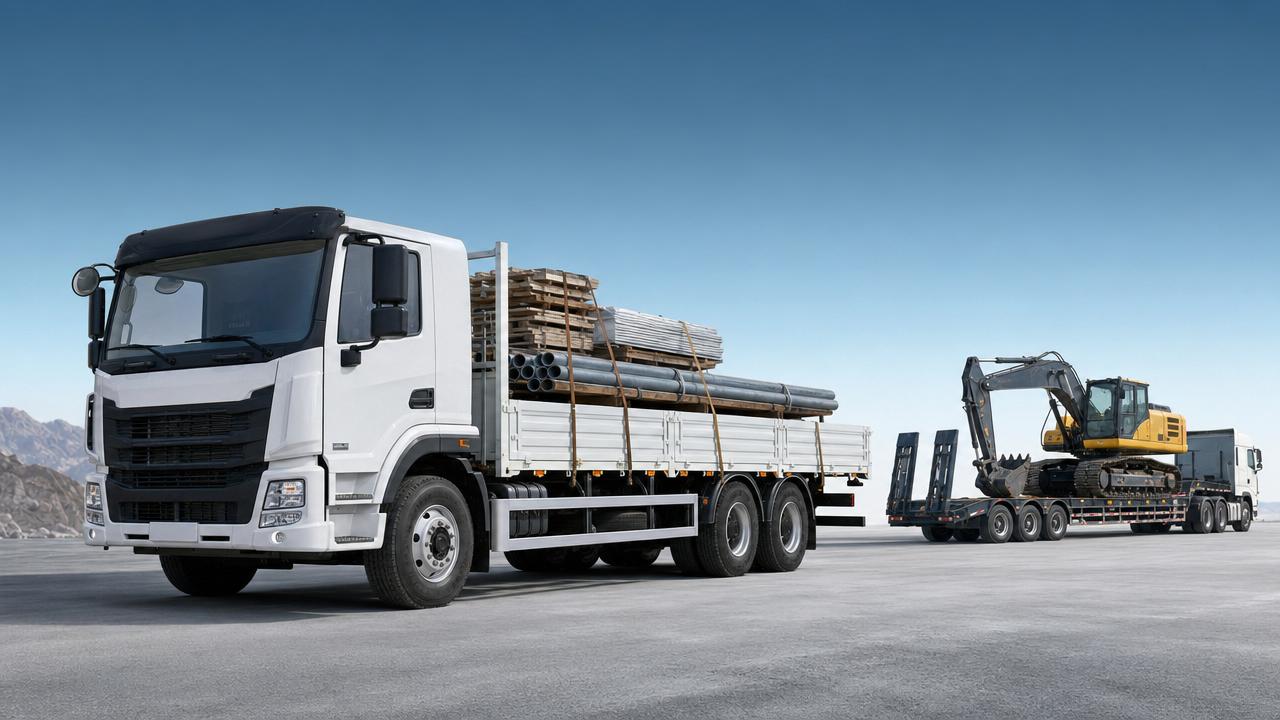
Choosing between a 4_2 Cargo Truck and a low plate vehicle can directly affect project efficiency, transport cost, and on-site safety. For project managers handling construction materials, machinery, or engineering supplies, the right truck depends on cargo type, loading height, road conditions, and delivery frequency. This guide compares the best use cases for each option, helping you match vehicle performance with real project demands while ensuring reliable supply and professional export support from Shandong Livol Truck.
What Project Managers Need to Decide First
A 4_2 Cargo Truck is usually selected for medium-duty distribution, construction material delivery, and frequent movement between warehouses and job sites.
A low plate vehicle, often called a low-bed or low-platform transport solution, is designed for taller, heavier, or self-propelled equipment.
The decision is rarely about which truck is better overall. It is about which platform reduces delays, loading risks, and idle equipment time.
Core decision questions before procurement
- What cargo will be transported most often: boxed materials, steel parts, small machines, excavators, or generators?
- How many deliveries are required each week, and will the vehicle travel mainly on paved roads or rough project access roads?
- Does the site have cranes, forklifts, ramps, or only manual and basic mechanical loading support?
- Are there height restrictions, road regulations, axle load limits, or documentation requirements in the destination country?
These questions help narrow the gap between a general transport idea and a practical engineering vehicle specification.
4_2 Cargo Truck vs Low Plate: Best Use Cases Compared
The table below compares the two options through job-site logistics, cargo type, loading method, and daily operation rhythm.
For daily construction supply, the 4_2 Cargo Truck is often easier to schedule and redeploy across multiple project tasks.
For equipment relocation, a low plate vehicle may reduce loading risk, center-of-gravity concerns, and route height problems.
When a 4_2 Cargo Truck Is the Smarter Project Choice
A 4_2 Cargo Truck fits projects where cargo changes frequently and delivery timing is more important than oversized load capacity.
It is especially useful for contractors managing scattered sites, subcontractor material supply, or daily replenishment of engineering consumables.
High-frequency delivery scenarios
- Building material delivery from storage yards to construction zones with predictable payload and repeated routes.
- Transport of pipes, frames, formwork, cables, pumps, tools, and prefabricated components for civil engineering tasks.
- Municipal project support where the truck must enter narrower streets and unload in limited working areas.
- Fleet backup use when one vehicle needs to cover multiple types of non-oversized cargo during peak periods.
In these conditions, a 4_2 Cargo Truck can improve fleet utilization because it is not locked into only one heavy-haul function.
Cargo that benefits from a standard platform
Box cargo, palletized materials, construction supplies, and spare parts usually need secure sideboards rather than a low transport deck.
For project managers, this means fewer loading adjustments and faster dispatch when the site requires repeated material replenishment.
When a Low Plate Vehicle Performs Better
A low plate vehicle becomes the better solution when machinery height, loading angle, and equipment stability dominate the decision.
If the cargo cannot be safely lifted onto a standard platform, the lower deck can reduce operational difficulty and site risk.
Equipment transport and height-sensitive routes
- Self-propelled construction machinery can often be loaded with ramps instead of depending entirely on cranes.
- Tall machines may pass bridges or power-line zones more safely when carried on a lower transport platform.
- Heavy loads with concentrated weight may require stronger deck design and route planning before dispatch.
- Project equipment transfers can be arranged as planned trips, making specialized transport more practical.
However, using a low plate vehicle for small packaged materials can waste capacity and increase cost per delivery.
Key Parameters to Check Before Buying a 4_2 Cargo Truck
The right 4_2 Cargo Truck specification should reflect payload, road conditions, body design, power demand, and maintenance access.
Project managers should avoid buying only by price, because underspecified vehicles can cause downtime and repeated repair costs.
These parameters turn a general request for a 4_2 Cargo Truck into a purchasing specification that suppliers can quote accurately.
Shandong Livol Truck can assist with model matching across FOTON, SHACMAN, and SINOTRUK according to project operating conditions.
Cost, Utilization, and Hidden Procurement Risks
Initial price is only one part of the decision. Project leaders also need to calculate utilization, fuel, maintenance, and downtime exposure.
A 4_2 Cargo Truck can be more economical when the project needs repeated deliveries instead of occasional heavy equipment transfer.
A low purchase price can become expensive if the truck does not match the route, cargo body, or maintenance environment.
Before confirming a 4_2 Cargo Truck order, compare total project use rather than only the first invoice amount.
Procurement Checklist for Engineering Vehicle Buyers
A structured procurement process helps engineering teams reduce specification errors and avoid delays during export, clearance, and delivery.
Recommended selection steps
- List the top five cargo types and record regular weight, length, loading method, and delivery frequency.
- Confirm route conditions, including gradients, unpaved access roads, bridge limits, city restrictions, and turning radius.
- Decide whether a 4_2 Cargo Truck body needs sideboards, van body, stake body, or other practical customization.
- Check local compliance needs such as emission requirements, road registration documents, inspection files, and customs documents.
- Compare delivery schedule, spare parts support, after-sales communication, and supplier export experience before payment.
This checklist protects the project from mismatched capacity, delayed documentation, and vehicle bodies that look suitable but fail on site.
Export, Compliance, and Delivery Support from Shandong Livol Truck
International engineering projects need more than vehicle supply. They require accurate documents, stable inventory, and export coordination.
Shandong Livol Truck International Trade Co., Ltd. is based in Shandong, China and focuses on commercial vehicle export solutions.
As an authorized domestic and overseas dealer for FOTON, SHACMAN, and SINOTRUK, we support buyers with practical model selection.
Our authorized 4S store network and sufficient inventory help customers secure stable supply when project delivery timelines are tight.
For a 4_2 Cargo Truck, early confirmation of specifications improves quotation accuracy, production coordination, and shipment planning.
Common Mistakes When Comparing These Vehicles
Many procurement errors come from comparing vehicle names instead of comparing the actual work the truck must complete.
Mistakes that create cost and safety problems
- Choosing a low plate vehicle for routine material distribution, causing low utilization and higher delivery cost per trip.
- Using a 4_2 Cargo Truck for machinery that should be loaded on a lower platform with better stability.
- Ignoring body length, sideboard design, tie-down needs, and loading equipment when confirming the final quotation.
- Forgetting destination compliance documents until the vehicle is ready to ship, delaying the project schedule.
A careful comparison can prevent a technically available truck from becoming an operational bottleneck after arrival.
FAQ: 4_2 Cargo Truck and Low Plate Selection
Is a 4_2 Cargo Truck suitable for construction projects?
Yes, a 4_2 Cargo Truck is suitable for many construction projects that need regular transport of materials, tools, and medium-sized equipment.
It is less suitable when the main cargo is oversized machinery requiring low loading height and special securing arrangements.
When should I choose a low plate instead?
Choose a low plate when the cargo is tall, heavy, self-propelled, or difficult to lift onto a standard cargo platform.
It is commonly used for excavators, loaders, compactors, and other equipment that benefits from ramp loading and a lower deck.
What should buyers confirm before requesting a quotation?
Buyers should confirm cargo weight, cargo dimensions, loading method, road condition, emission expectations, delivery country, and required documents.
For a 4_2 Cargo Truck, body type and payload requirements are especially important for accurate and practical quotation comparison.
Can Shandong Livol Truck support customized configurations?
Yes. We can discuss body configuration, chassis selection, brand preference, project route conditions, and export requirements before order confirmation.
Customization should be based on actual operating data, not only appearance preferences or a general capacity description.
Why Choose Us for Your Next 4_2 Cargo Truck Purchase
Shandong Livol Truck helps project managers convert transport challenges into clear vehicle specifications, practical quotations, and coordinated export plans.
We supply commercial vehicles from FOTON, SHACMAN, and SINOTRUK through authorized dealer resources and professional export operations.
If you are comparing a 4_2 Cargo Truck with a low plate vehicle, our team can review your cargo list and route conditions.
You can consult us about payload confirmation, body customization, delivery cycle, documentation, customs clearance, logistics, certification expectations, and quotation details.
Share your project country, cargo type, delivery schedule, and preferred brand, and we will help identify a reliable transport solution.
Search Starts Here