
News
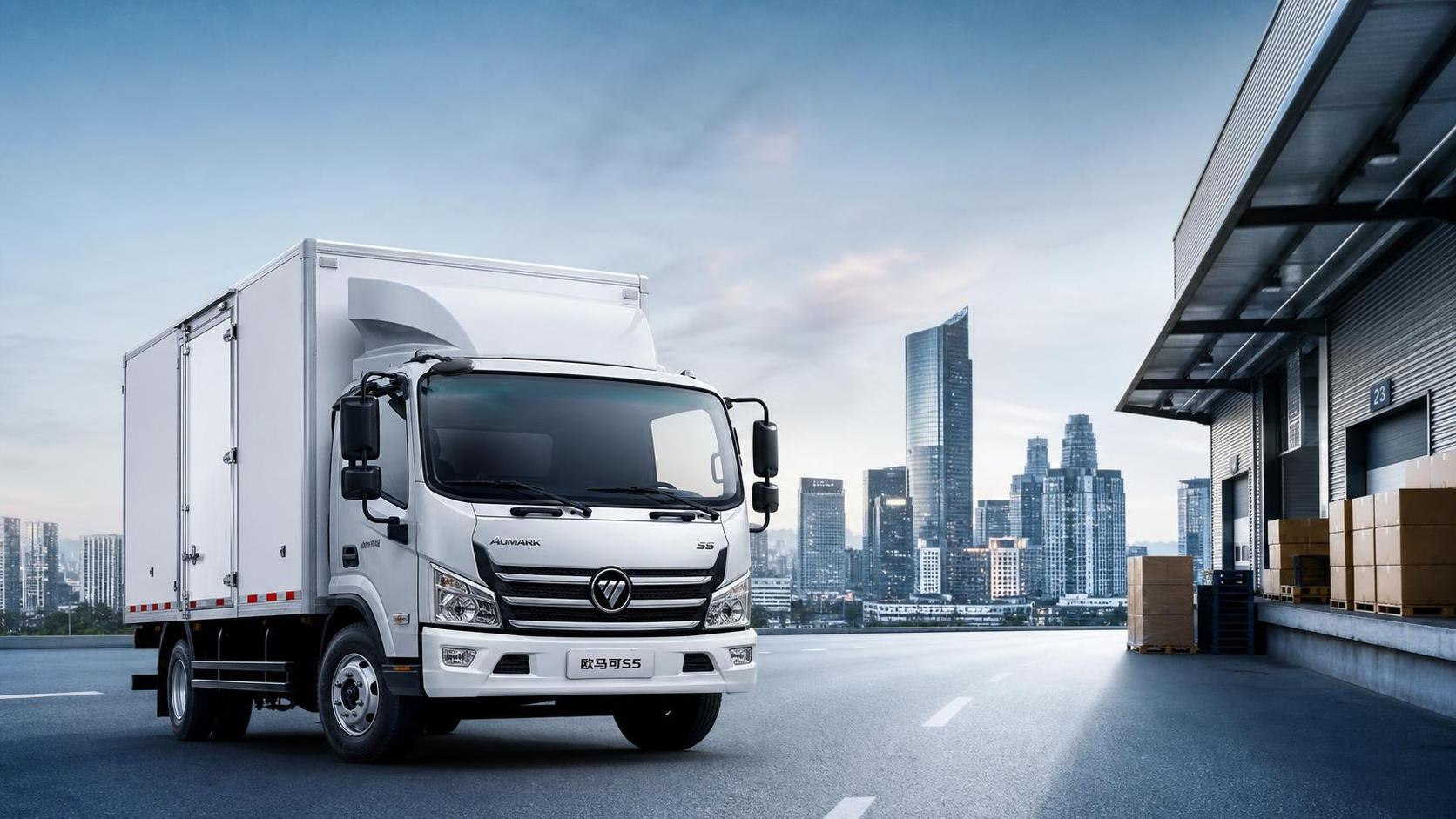
4_2 Cargo Truck for Urban Delivery: where do selection mistakes usually begin?
Choosing a 4_2 Cargo Truck for city distribution looks simple at first. The vehicle seems standard, the route seems short, and many options appear similar on paper.
In practice, the wrong choice often raises fuel use, slows loading cycles, increases downtime, and creates compliance trouble in dense urban areas.
That is why selection should go beyond price and rated payload. A useful decision starts with operating reality, not with a brochure headline.
For many fleets, a 4_2 Cargo Truck is expected to balance maneuverability, cargo volume, running cost, and legal road access. Missing one of those factors usually becomes expensive later.
A more reliable approach is to check route limits, cargo density, loading frequency, service support, and delivery time pressure before comparing brands or configurations.
The questions below reflect how this choice is usually evaluated in real urban delivery projects, especially when fleet stability matters more than a short-term purchase discount.
Is payload the main thing to compare in a 4_2 Cargo Truck?
Not by itself. Payload matters, but it is only one part of the actual transport equation.
A common mistake is choosing the highest rated payload while ignoring body size, turning radius, axle load distribution, and urban entry restrictions.
For example, lightweight parcels and e-commerce goods usually need cargo volume more than maximum tonnage. Dense materials create the opposite requirement.
Another issue is over-specification. A heavier truck can increase fuel consumption, tire wear, and maintenance cost without improving daily delivery output.
In real operations, the better question is this: what limits each trip first, weight, cube, stop frequency, or route access?
If the vehicle reaches its volume limit before its legal payload, then a larger or smarter body layout may deliver more value than a stronger chassis.
If narrow roads, low bridges, or basement ramps are involved, maneuverability can matter more than headline carrying capacity.
A quick judgment table helps separate good fit from paper fit
This kind of comparison keeps a 4_2 Cargo Truck decision tied to operational output, which is where the real return is created.
How do road conditions and delivery patterns change the right truck choice?
Urban delivery is rarely one single pattern. Some routes involve dozens of short stops. Others combine city center drops with suburban transfer legs.
That difference changes what a suitable 4_2 Cargo Truck looks like.
For stop-and-go routes, transmission matching, cab visibility, braking response, and step-in convenience often matter more than top-speed capability.
For mixed routes, power reserve and fuel efficiency under varied loads become more important. Suspensions and tire specifications also need a closer look.
More commonly, buyers underestimate road surface conditions. Repeated travel on rough pavement, curb approaches, and uneven warehouse yards can accelerate wear.
If that operating context is ignored, the vehicle may still meet initial delivery needs while failing the durability test within the first year.
- Short-haul parcel delivery usually benefits from easy loading access and compact dimensions.
- Food, beverage, or retail replenishment may require stronger floor design and higher stop-cycle durability.
- Urban construction support often needs a tougher chassis even when daily mileage is low.
So the right 4_2 Cargo Truck is not just a truck with enough capacity. It is a truck that matches route behavior, loading rhythm, and infrastructure constraints.
What gets overlooked when comparing brands and configurations?
The biggest oversight is assuming similar specifications deliver similar ownership results. They often do not.
A 4_2 Cargo Truck should be compared through total operating fit, including chassis reliability, service reach, spare parts timing, and body customization options.
This is where supplier capability matters. Vehicle export is not only about shipping a unit from origin to destination.
A dependable exporter should understand documentation, customs processes, technical matching, and post-delivery support, especially for fleets operating across different regulatory environments.
Shandong Livol Truck International Trade Co., Ltd. works in this part of the process with a practical advantage.
As an authorized dealer for FOTON, SHACMAN, and SINOTRUK, with authorized 4S stores and steady inventory, the company can support model matching, supply continuity, and delivery planning more efficiently.
That does not mean every model fits every project. It means the comparison can be based on actual use case, available configuration, and export execution rather than on incomplete assumptions.
When comparing options, confirm these points early:
- Engine and gearbox match for traffic density and load profile.
- Cargo body type, including van body, side curtain, fence, or refrigerated adaptation.
- Availability of spare parts in target markets.
- Lead time for delivery, registration documents, and export handling.
- Warranty scope and practical service response after handover.
Those details usually decide whether a 4_2 Cargo Truck remains productive or becomes a management burden.
Why does after-sales support affect urban delivery more than expected?
Because urban delivery fleets depend on consistency. One vehicle off the road can disrupt route planning, labor allocation, and customer service windows.
Many buyers recognize this only after the truck enters operation.
A low purchase price on a 4_2 Cargo Truck loses its appeal quickly if common parts take too long to arrive or technical support is unclear.
This is especially true in fleets with limited standby units. Downtime then becomes a direct cost, not a background inconvenience.
The practical way to judge after-sales is not by broad promises. Ask what happens when a truck needs a fast repair, a replacement component, or a technical clarification.
Suppliers with organized service channels, stock visibility, and export experience are usually better positioned to prevent delays across the full vehicle life cycle.
That is one reason fleets often prefer working with partners that combine product access, documentation support, logistics coordination, and service follow-up in one process.
How can you avoid buying the wrong 4_2 Cargo Truck even with a limited budget?
A limited budget does not require a risky choice. It requires a more disciplined one.
The first step is defining non-negotiable operating conditions. That includes legal limits, cargo type, daily distance, stop frequency, and unloading method.
Then separate must-have specifications from attractive but unnecessary upgrades. This reduces overbuying, which is one of the most common 4_2 Cargo Truck mistakes.
A practical screening method often looks like this:
- List the real load per trip, not the peak load used in internal discussion.
- Measure the tightest road, gate, ramp, or unloading point on the route.
- Estimate downtime cost per day before comparing purchase price.
- Check service coverage and spare parts access in the target operating region.
- Request configuration advice based on use case, not generic model ranking.
When this process is followed, a lower-cost 4_2 Cargo Truck can still be a strong investment if the configuration is appropriate and support is dependable.
What should be confirmed before making the final decision?
Before approval, it helps to review the decision as an operating system choice, not simply an asset purchase.
The final check should confirm whether the selected 4_2 Cargo Truck can meet route access rules, loading demands, maintenance expectations, and supply timing without hidden compromises.
If any of those points remain unclear, the best next move is to revisit the configuration sheet and compare it against real route data.
In many cases, working with an experienced commercial vehicle export partner helps shorten that review cycle.
With access to FOTON, SHACMAN, and SINOTRUK resources, along with vehicle selection, customization, documentation, customs clearance, and logistics support, the process becomes easier to structure correctly.
The key point is simple. A 4_2 Cargo Truck should be chosen for the job it will repeat every day, not for the specification that looks strongest in isolation.
Review the route, confirm the cargo profile, compare service readiness, and validate total ownership logic before moving forward. That usually prevents the most expensive mistakes.
Search Starts Here