
News
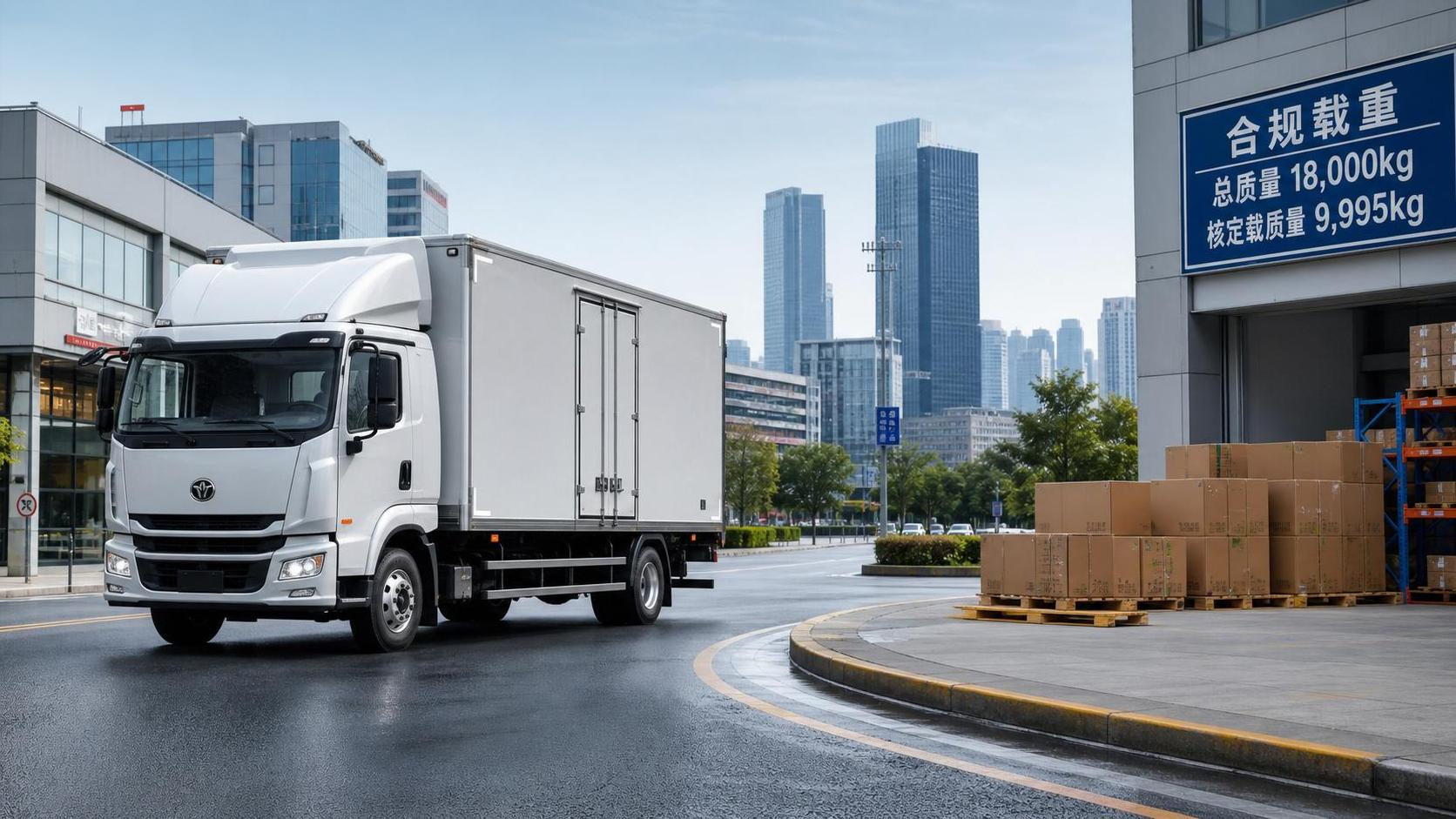
4_2 Cargo Truck Load Limits and Best Uses in Urban Delivery
For urban delivery operators, choosing the right 4_2 Cargo Truck can improve efficiency, reduce operating costs, and ensure compliance with city road limits.
With practical load capacity and flexible maneuverability, this truck type is widely used for short- to medium-distance transport.
Understanding its load limits and best applications helps users maximize performance, safety, and daily delivery productivity.
In real city work, a 4_2 Cargo Truck often sits in the sweet spot between carrying ability and road access.
That balance matters more now, as urban routes grow tighter, schedules get shorter, and compliance checks become more frequent.
What a 4_2 Cargo Truck Means in Daily Operations
A 4_2 Cargo Truck has two axles and one driven rear axle.
It usually offers lower weight, easier steering, and better access on crowded city roads than larger rigid trucks.
This configuration is widely used for retail replenishment, parcel distribution, beverage runs, municipal supply tasks, and light industrial transport.
Compared with heavier layouts, a 4_2 Cargo Truck is easier to park, easier to route, and often faster during multi-stop delivery days.
That also means operators can maintain more predictable arrival times in dense commercial districts.
Typical Load Limits of a 4_2 Cargo Truck
Load limits vary by brand, body type, axle rating, and local transport rules.
Still, most 4_2 Cargo Truck models used in urban delivery follow a similar working range.
Gross vehicle weight can commonly fall between 6 and 18 tons, depending on national standards and chassis design.
Practical payload is usually lower after adding the cargo body, fuel, driver, tools, and optional equipment.
For many box, stake, or van bodies, a realistic payload often lands between 3 and 10 tons.
That range makes the 4_2 Cargo Truck highly useful for compact but frequent urban shipments.
- Light urban parcel and e-commerce loads: around 3 to 5 tons.
- General retail and packaged goods: around 5 to 8 tons.
- Dense cargo such as beverages or building supplies: often closer to axle limits.
The key point is simple.
A 4_2 Cargo Truck may look spacious, but volume does not always equal legal payload.
Why Legal Load Limits Matter More in Cities
Urban delivery puts trucks under tighter supervision than highway line-haul work.
City roads often include bridge limits, district weight caps, time-window restrictions, and curbside unloading rules.
When a 4_2 Cargo Truck is overloaded, the first problem is not only fines.
Braking distance increases, steering feels slower, and tire wear rises sharply.
Suspension stress also grows, especially on uneven loading docks, ramps, and rough access roads.
Over time, this leads to more downtime, higher maintenance cost, and less reliable route planning.
In short, respecting the rated capacity of a 4_2 Cargo Truck protects both compliance and profit.
Best Uses for a 4_2 Cargo Truck in Urban Delivery
The best application depends on cargo density, stop frequency, and road conditions.
In most cities, a 4_2 Cargo Truck performs best where access and turnaround time matter as much as payload.
1. Retail Store Replenishment
Supermarkets, convenience chains, and local distributors often need regular restocking in limited parking spaces.
A 4_2 Cargo Truck handles this well because it balances moderate payload with good maneuverability.
2. E-commerce and Parcel Distribution
Parcel networks usually prioritize cargo volume, route speed, and quick loading cycles.
A van-body 4_2 Cargo Truck is ideal for cartonized goods, mixed packages, and regional hub deliveries.
3. Beverage and FMCG Transport
This work needs careful attention because drinks and packaged consumer goods can become heavy very quickly.
A 4_2 Cargo Truck remains effective here, but payload calculations must be strict.
4. Light Construction Supply Runs
Urban projects often need cement products, tools, fittings, cables, and packaged materials in smaller batches.
A 4_2 Cargo Truck works well when delivery points are frequent and access roads are narrow.
5. Cold Chain and Fresh Produce Delivery
For refrigerated bodies, insulation and cooling units reduce available payload.
Even so, a 4_2 Cargo Truck remains a strong option for urban fresh food routes with frequent unloading stops.
How to Match Cargo Type with the Right Configuration
Choosing the right 4_2 Cargo Truck starts with knowing whether the cargo is light, bulky, dense, fragile, or temperature-sensitive.
This sounds basic, but many loading problems begin with the wrong body choice.
When the body, payload, and route profile match, a 4_2 Cargo Truck becomes much easier to manage profitably.
Practical Loading Tips to Stay Safe and Efficient
Good loading discipline extends the value of a 4_2 Cargo Truck more than many operators expect.
- Check the actual payload, not only the cargo invoice weight.
- Distribute weight evenly across the chassis and avoid rear-heavy stacking.
- Secure pallets and loose cargo before leaving the warehouse.
- Account for refrigeration units, tail lifts, and extra accessories.
- Review route restrictions before dispatch, especially in older city zones.
- Monitor tire pressure and brake condition more often on dense cargo routes.
These habits reduce avoidable stress on the vehicle and lower the chance of delivery disruption.
They also help a 4_2 Cargo Truck maintain stable handling during stop-and-go traffic.
What to Consider Before Buying or Exporting
When sourcing a 4_2 Cargo Truck, the right supplier matters as much as the specification sheet.
Shandong Livol Truck International Trade Co., Ltd. provides commercial vehicle export solutions built around practical operating needs.
Based in Shandong, China, the company is an official authorized domestic and overseas dealer for FOTON, SHACMAN, and SINOTRUK.
Its nationwide authorized 4S store network and strong inventory support stable supply and faster delivery planning.
That is especially useful when a 4_2 Cargo Truck must be customized for local regulations, body requirements, or cargo demands.
A professional export team can also simplify model selection, documentation, customs clearance, and logistics coordination.
For buyers managing cross-border procurement, that full-process support reduces delays and specification mistakes.
Final Takeaway
A 4_2 Cargo Truck is one of the most practical choices for urban delivery when payload, access, and operating cost must stay in balance.
Its best uses include retail distribution, parcel transport, beverage delivery, light construction supply, and cold chain city routes.
The real advantage comes from matching legal load limits, body type, and route conditions before daily operations begin.
If that match is right, a 4_2 Cargo Truck can deliver consistent uptime, safer handling, and better route efficiency.
For urban fleets and independent operators alike, that is where performance turns into reliable business value.
Search Starts Here